
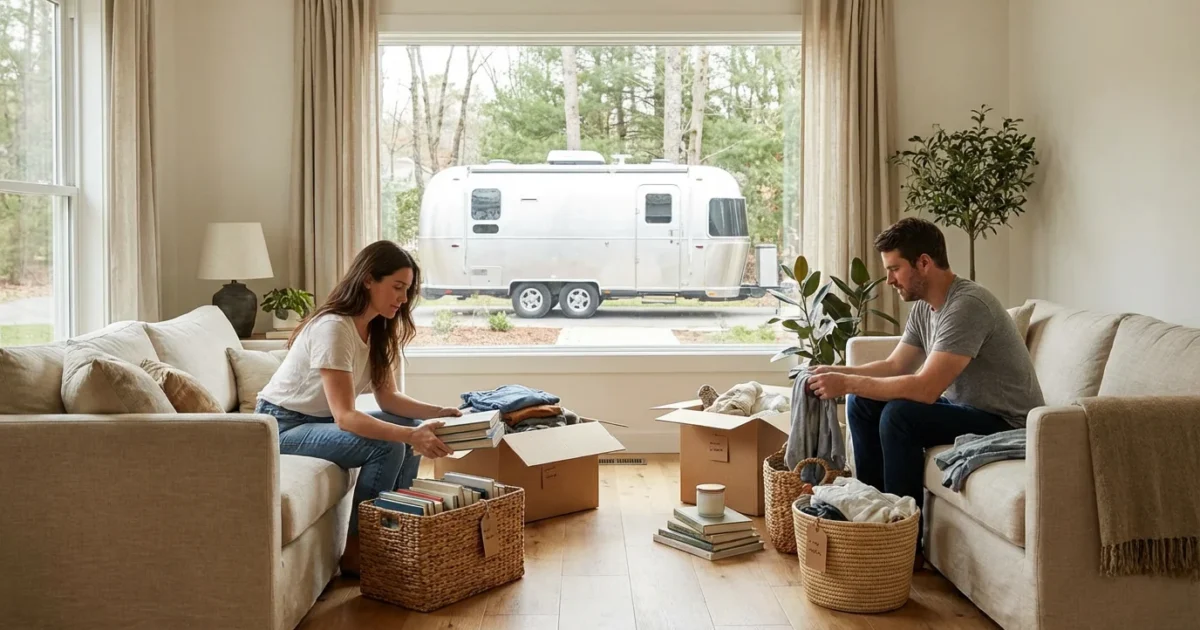
The open road calls, promising unparalleled freedom and discovery. For many active Americans aged 55 and over, the dream of RV life represents a new chapter, a chance to explore national parks, vibrant cities, and serene landscapes on your terms. This adventurous lifestyle offers a dynamic approach to senior living, inviting you to embrace flexibility and spontaneous exploration.
Yet, the journey to becoming a full-time or part-time RVer often begins with a significant, sometimes daunting, task: decluttering for RV life. Downsizing from a traditional home to the compact space of an RV requires careful planning, emotional resilience, and a strategic approach. This guide provides practical, actionable insights to help you navigate this transition, ensuring your RV declutter process is smooth, efficient, and ultimately empowering.
Prepare to shed the unnecessary, embrace minimalism, and set the stage for your incredible RV adventure. We empower you to make informed decisions, transforming what might seem like a challenge into a liberating step toward your next great exploration. Discover how to downsize effectively, making room for experiences, not just things.
Table of Contents
- Why Downsize for RV Life? Embracing Freedom
- The Mindset Shift: Rethinking Possessions
- Phase One: Setting the Stage for Your RV Declutter
- Phase Two: Room-by-Room Decluttering Strategies
- Making Tough Decisions: Practical Downsizing Tips
- Managing the “Leftovers”: Sell, Donate, Store, Dispose
- Packing Essentials for Your New RV Home
- The Road Ahead: Embracing Your New Lifestyle
- Frequently Asked Questions

Why Downsize for RV Life? Embracing Freedom
Embarking on an RV adventure means trading square footage for open horizons. This fundamental shift requires you to rethink your relationship with possessions. Downsizing is not about deprivation, it is about intentional living, maximizing your experiences, and minimizing burdens.
Consider the practical benefits. Less stuff means less to clean, less to maintain, and fewer items to worry about. This translates directly into more time for hiking, exploring new towns, pursuing hobbies, and connecting with nature. You gain mobility and flexibility, two cornerstones of an active senior living lifestyle.
An RV comes with inherent space constraints. Every item you bring must justify its presence. Understanding this reality from the outset helps you approach the decluttering process with a clear objective: to curate a collection of items that truly serve your travel needs and enhance your daily life on the road. Effective RV decluttering paves the way for a more enjoyable and stress-free journey.
Downsizing allows you to free up financial resources too. Selling unused items can provide a helpful boost to your travel fund. Reducing the volume of your possessions eliminates the need for large storage units, saving you ongoing monthly expenses. You invest in experiences rather than accumulating more belongings.
The Mindset Shift: Rethinking Possessions
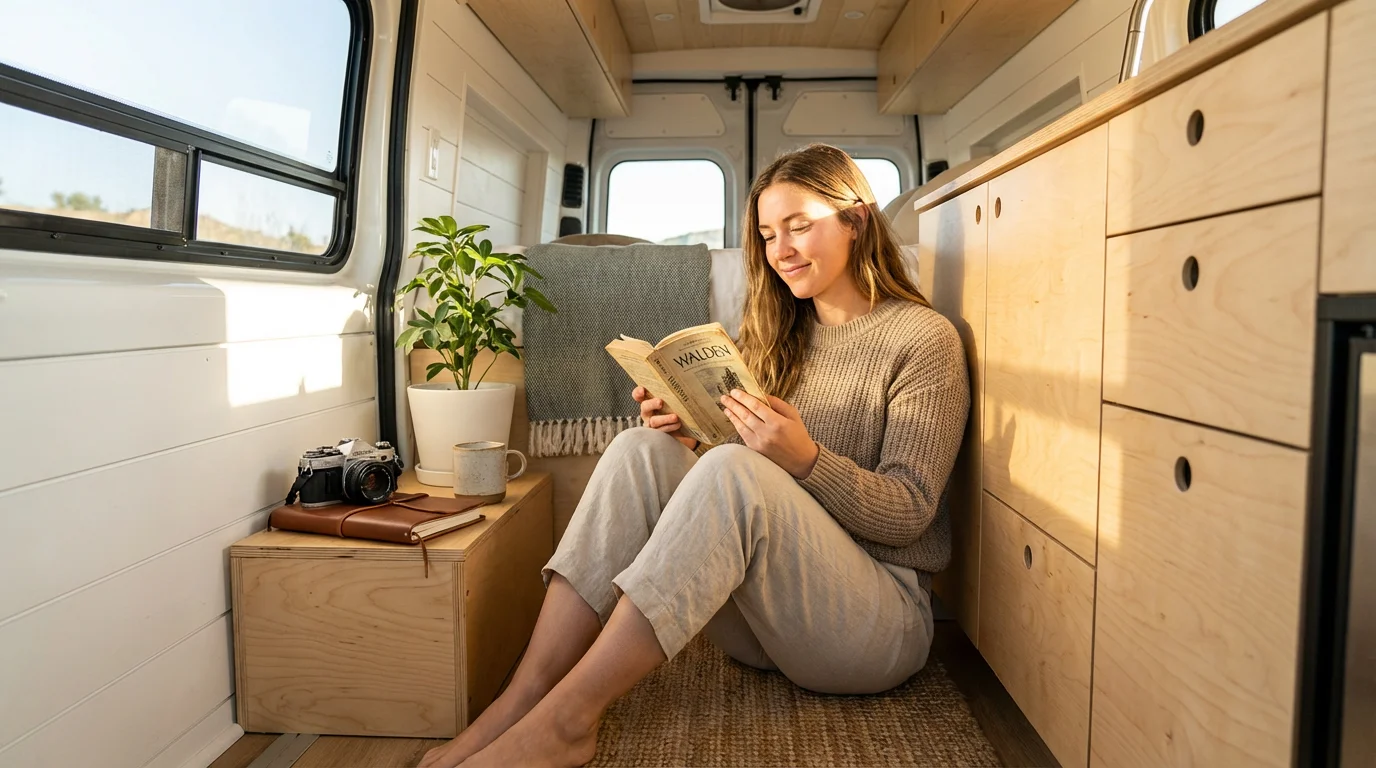
The most challenging aspect of downsizing for RV life often lies in changing your mindset. Our possessions often carry emotional weight, memories, and a sense of identity. Acknowledge these feelings as a normal part of the process, but do not let them derail your progress.
Cultivating this minimalist perspective is essential for camping comfortably in a smaller living space.
Adopt an “RV mindset” early on. Imagine your RV as your mobile sanctuary, filled only with items that bring you joy, offer essential utility, or serve a specific purpose on your travels. Every object takes up valuable space, adds weight, and requires management. This perspective transforms your focus from accumulation to curation.
Begin by envisioning your ideal RV lifestyle. Do you plan to hike daily, pursue photography, or cook gourmet meals? Your chosen activities help dictate what truly needs to come with you. This forward-looking approach helps detach you from past habits of ownership and focuses on future adventures.
“The world is a book and those who do not travel read only one page.” — Saint Augustine
Consider the freedom that comes from owning less. You gain mental clarity when your living space is not overwhelmed by clutter. This shift in perspective is a powerful tool for navigating the decisions ahead, making downsizing tips more effective when applied with intention.

Phase One: Setting the Stage for Your RV Declutter
Approaching your decluttering project systematically makes the process manageable and less overwhelming. A well-organized strategy is your best ally when learning how to declutter for RV life.
Before you begin sorting, it can be helpful to review an essential RV checklist for senior road trips to visualize exactly what gear you will need.
Here are the initial steps to prepare for your downsizing journey:
- Define Your RV Lifestyle: Consider the type of RV you will own and how you plan to use it. A weekend warrior’s needs differ significantly from a full-timer’s. Visualize your daily routines, hobbies, and must-have items on the road.
- Set a Realistic Timeline: Downsizing takes time, often more than you anticipate. Allocate several weeks or even months, depending on the size of your current home and the volume of your belongings. Break the process into smaller, achievable goals.
- Gather Essential Supplies: Collect sturdy boxes, trash bags, labels, markers, and packing tape. Having these readily available prevents interruptions and maintains momentum.
- Establish a “Sorting Station”: Designate areas in your home for “Keep,” “Sell,” “Donate,” “Discard,” and “Store.” Clear pathways to these areas facilitate quick decision-making and sorting.
- Enlist Support: Do not undertake this monumental task alone. Ask family members or friends for help, especially with heavy lifting or objective decision-making. Professional organizers specializing in downsizing can also provide invaluable guidance.
- Start Small: Begin with a less emotionally charged area, like a linen closet or a pantry. Achieving early success builds confidence and teaches you your personal decluttering rhythm.

Phase Two: Room-by-Room Decluttering Strategies
Tackling your home room by room helps break the large task into manageable segments. This systematic approach ensures no area is overlooked during your RV declutter.
Kitchen: Culinary Convenience on the Go
The RV kitchen is compact, demanding efficiency and multi-purpose items. Focus on essential cooking tools and a minimal set of dinnerware. Consider lightweight, stackable, and unbreakable options.
- Appliances: Keep only one or two small, multi-functional appliances, like a compact blender or an Instant Pot. Eliminate specialty gadgets used infrequently.
- Cookware: Opt for nesting pots and pans. A single good skillet, a saucepan, and a stockpot often suffice. Avoid duplicates.
- Dishware: Limit plates, bowls, and mugs to two per person, plus a couple of extras for guests. Choose melamine or bamboo over ceramic.
- Utensils: Select a basic set of cooking and eating utensils. Prioritize items that serve multiple purposes, such as a spork or a spatula that can also stir.
- Pantry Items: Downsize bulk purchases. Purchase smaller quantities of spices, oils, and non-perishables. Invest in airtight, stackable containers.
Bedroom and Bathroom: Personal Comfort, Minimal Footprint
Your RV bedroom and bathroom require careful curation to maintain comfort without clutter. Focus on personal necessities and space-saving solutions.
- Clothing: Embrace a capsule wardrobe. Select versatile, quick-drying clothing suitable for varying weather. Layering is key. Consider what to get rid of before RVing, focusing on out-of-season garments or items you rarely wear.
- Linens: One set of sheets per bed and a couple of towel sets per person are ample. Microfiber towels dry quickly and take up less space.
- Toiletries: Use travel-sized or refillable containers. Consolidate products where possible. Consider solid shampoo bars to reduce liquid bulk.
- Medicines: Keep only essential medications and a small first-aid kit. AARP Travel often provides good advice on managing medications while traveling. Consult your doctor about prescription refills on the road.
Living Areas and Office: Entertainment and Ergonomics
Your RV living space serves multiple functions. Choose items that contribute to relaxation, productivity, or entertainment without overcrowding your small footprint.
- Books and Media: Transition to e-readers, tablets, or streaming services. Physical books consume significant space and add weight.
- Decor: Limit decorative items to a few cherished, small pieces. Choose items with sentimental value over purely aesthetic ones.
- Electronics: Bring only necessary devices, such as a laptop, smartphone, and portable speaker. Ensure they have appropriate charging solutions.
- Documents: Digitize important papers like insurance policies, titles, and medical records. Keep only essential hard copies in a fireproof, waterproof document bag.
Garage, Storage, and Hobbies: Gear for Adventure
This category involves items often stored in garages, sheds, or spare rooms. Prioritize tools, outdoor gear, and hobby supplies that directly support your RV lifestyle and adventures.
- Tools: A compact, multi-purpose toolkit is indispensable. Do not bring an entire workshop.
- Outdoor Gear: Select gear based on your specific activities. Hiking poles, collapsible chairs, and inflatable kayaks are examples of items to consider. If you only use an item once a year, question its necessity.
- Hobby Supplies: Keep only a small, portable selection of supplies for your most cherished hobbies. For example, a travel watercolor set instead of a full studio setup.

Making Tough Decisions: Practical Downsizing Tips
Downsizing requires objectivity and a clear strategy. Emotional attachment can make decisions difficult, but practical guidelines help simplify the process.
Apply these practical downsizing tips to your belongings:
- The One-Year Rule: If you have not used an item in the past year, seriously consider letting it go. Exceptions apply for seasonal gear or sentimental items.
- The “Love It or Leave It” Test: Hold each item and ask yourself, “Do I absolutely love this, or is it truly essential for my RV life?” If the answer is no, it is a candidate for removal.
- Sentimental Items: These are the hardest to part with. Take photos of larger sentimental pieces or family heirlooms. Create a small memory box for cherished photos, letters, or small mementos that can travel with you. Digitizing photos is an excellent way to preserve memories without taking up physical space.
- Redundancy Check: Eliminate duplicates. You likely do not need multiple sets of anything in an RV. Prioritize multi-use items, such as a pot that doubles as a mixing bowl.
- Rental and Borrowing: For items used infrequently, consider if you can rent them or borrow from friends/family when needed. This eliminates the need to own and store them.
- “Just in Case” Mentality: Challenge the “just in case” items. RV living teaches resourcefulness. You can often find solutions on the road without hauling every conceivable item.
This table helps illustrate the thought process:
| Decision Factor | Keep for RV Life | Consider Letting Go |
|---|---|---|
| Utility/Frequency | Used weekly, multi-purpose, essential. | Used seasonally (if not traveling for that season), specialty, “just in case.” |
| Space/Weight | Compact, lightweight, stackable, collapsible. | Bulky, heavy, fragile, requires dedicated storage. |
| Emotional Value | Small, cherished keepsake (one or two). | Large heirlooms, items with vague sentimental attachment. |
| Cost/Replacement | Expensive to replace, difficult to find on the road. | Inexpensive, easily replaceable, readily available. |

Managing the “Leftovers”: Sell, Donate, Store, Dispose
Once you decide what to get rid of before RVing, you need a plan for your excess belongings. This phase is crucial for an organized transition and provides practical closure to your downsizing efforts.
Here is an actionable guide for managing items you are not bringing into your RV:
- Selling Items: Maximize Your Return
- Online Marketplaces: Platforms like Facebook Marketplace, eBay, or Craigslist are excellent for furniture, electronics, and specialty items. Take clear photos and provide accurate descriptions.
- Consignment Shops: Consider consignment for clothing, antiques, or high-end home goods. They handle sales for a percentage of the profit.
- Garage Sales/Estate Sales: For a large volume of varied items, a traditional garage sale can be efficient. For very extensive collections, an estate sale company manages everything.
- Specialty Buyers: For unique collections (e.g., coins, stamps, art), seek out specialized dealers who understand the true value.
- Donating Items: Give Back and Clear Out
- Charity Organizations: Goodwill, Salvation Army, and local thrift stores accept a wide range of household goods, clothing, and furniture. Many offer pickup services for larger items.
- Specific Causes: Consider donating to organizations that align with your items, such as libraries for books, animal shelters for linens, or schools for art supplies.
- Online Giving: Freecycle or Buy Nothing groups on social media allow you to give items away directly to community members.
- Storing Items: Strategic Long-Term Solutions
- Self-Storage Units: If you plan to return to a sticks-and-bricks home or have essential items you cannot part with, a climate-controlled storage unit offers security. Research costs and accessibility carefully.
- Family/Friends: If offering, a small number of precious items might be stored with trusted family or friends. Be clear about duration and access.
- Digital Storage: For photos, documents, and media, cloud storage solutions (e.g., Google Drive, Dropbox) are ideal.
- Disposing of Items: Responsible Waste Management
- Regular Trash: For truly unusable, broken items, your regular trash service is appropriate.
- Hazardous Waste: Follow local guidelines for disposing of paint, chemicals, batteries, and electronics. Many communities host special collection events.
- Recycling Centers: Recycle paper, plastic, glass, and metal containers.
Packing Essentials for Your New RV Home
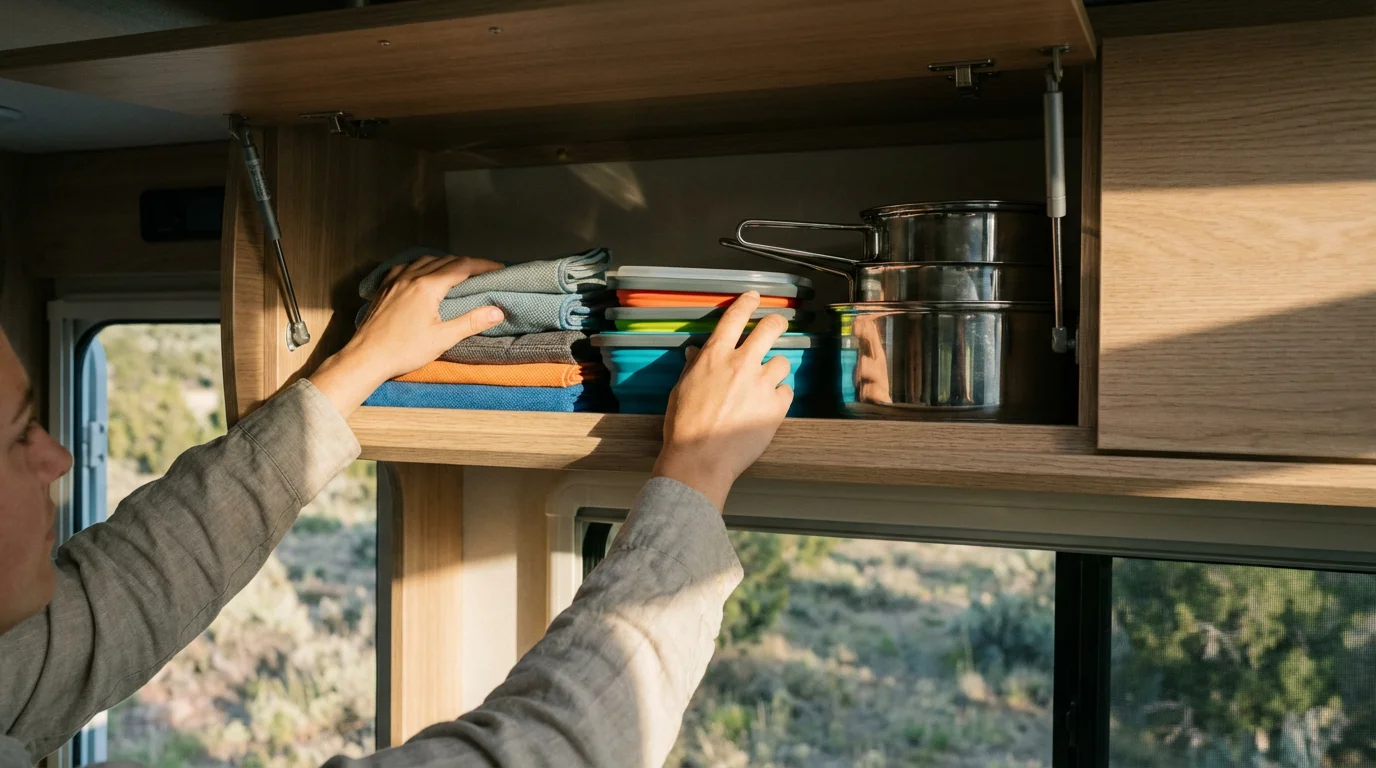
With your decluttering complete, you are ready to strategically pack for your RV. The goal is to maximize storage, minimize weight, and ensure easy access to everything you need. This is where how to declutter for RV life truly pays off.
Once you have finished downsizing, refer to an essential RV checklist to ensure you have the necessary gear for your trip.
Focus on lightweight, durable, and multi-functional items. Here are key categories for your RV packing list:
- Kitchen & Dining:
- Nesting pots and pans, compact dinnerware set (melamine or bamboo).
- Basic utensils, cutting board, few food storage containers.
- Small coffee maker or French press.
- Collapsible colander, dish drainer.
- Bed & Bath:
- One set of sheets per bed, lightweight blanket/comforter.
- Quick-drying microfiber towels (2 per person).
- Travel-sized toiletries, small first-aid kit.
- Command hooks for hanging towels and robes.
- Clothing & Personal:
- Capsule wardrobe: versatile layers for various climates.
- Comfortable walking shoes, hiking boots.
- Lightweight rain gear.
- Personal medications (with copies of prescriptions). The CDC Travelers’ Health website offers advice on traveling with medications.
- RV Specific & Safety:
- RV specific tools, leveling blocks, fresh water hose.
- Roadside assistance membership.
- Portable air compressor, tire pressure gauge.
- Fire extinguisher, smoke/CO detector.
- Emergency road kit.
- Outdoor & Recreation:
- Folding camp chairs, small outdoor mat.
- Headlamps or flashlights.
- Daypack for hikes.
- Map or GPS device. The National Park Service provides excellent resources for exploring parks.
- Electronics & Communication:
- Laptop/tablet, smartphone, charging cables.
- Portable power bank.
- Wi-Fi booster (if desired).
When packing, utilize vertical space with shelves and organizers. Use compression bags for clothing to save space. Label everything clearly, especially items stored in less accessible areas. Remember, every inch counts in an RV.
The Road Ahead: Embracing Your New Lifestyle
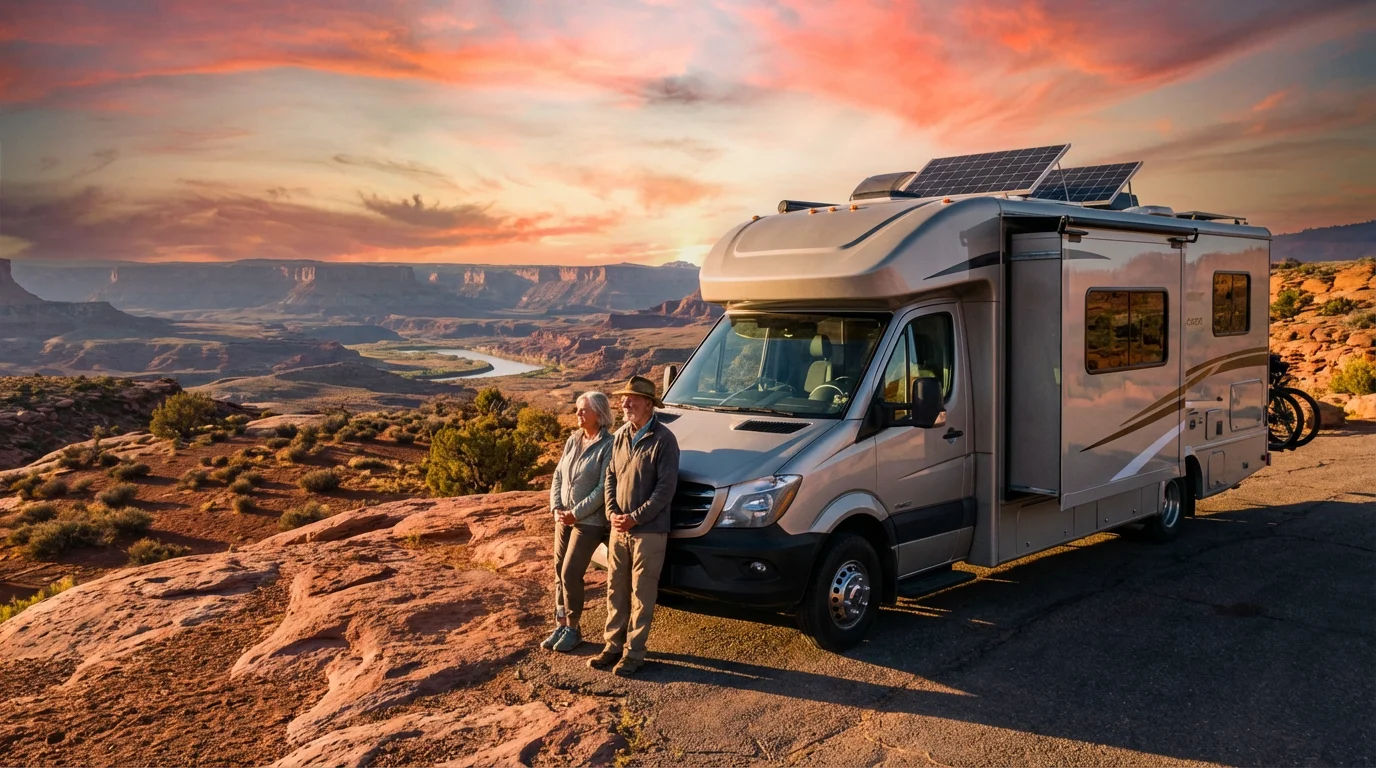
Completing the downsizing process marks a significant achievement and a true testament to your adventurous spirit. You have transformed a daunting task into a liberating experience, setting the stage for an enriching RV life. This journey is not just about reducing possessions, it is about expanding your possibilities and embracing active aging through exploration.
Your RV is now a vessel for discovery, tailored to your specific needs and desires. The freedom from excessive belongings allows for greater spontaneity and less stress. You will find more joy in experiences, connections, and the beauty of the natural world, rather than in material things.
Remember, RV living is an ongoing process of adjustment and refinement. You will discover what works best for you as you travel. Be flexible, learn from each trip, and continually adapt your living space. The lessons learned during your RV declutter will serve you well, fostering a minimalist and mindful approach to life on the open road.
Embrace the unexpected detours, the quiet moments under starry skies, and the vibrant communities you encounter. This new chapter of senior living is about truly living, exploring, and creating unforgettable memories. Your adventure awaits, unburdened and boundless.
Frequently Asked Questions
Is it possible to downsize too much for RV life?
While the goal is minimalism, avoid eliminating essential safety items, necessary medications, or items crucial for your specific daily needs. You want to simplify, not compromise your well-being or comfort. A good rule is to keep anything that genuinely helps you maintain your health, safety, or primary sources of joy on the road.
How long does the average downsizing process take for RVing?
The timeline varies significantly based on your current home size, the volume of your possessions, and your personal decision-making speed. For a typical family home, expect anywhere from 3 to 6 months of dedicated effort. Starting early and breaking it into small, manageable tasks helps prevent overwhelm.
What are the biggest challenges in downsizing for seniors?
Emotional attachment to possessions, the physical demands of sorting and moving items, and the sheer volume of a lifetime’s worth of belongings present significant challenges. Enlisting support from family or professional organizers, and taking frequent breaks, helps mitigate these difficulties. Prioritize your physical safety throughout the process.
Should I rent a storage unit for items I can’t part with?
Renting a storage unit is a personal decision. If you plan to return to a traditional home, have truly irreplaceable sentimental items, or need space for valuable heirlooms, a storage unit can be a good option. Factor in the monthly cost and visit the facility to ensure it meets your needs for security and climate control. For many, the goal of RV living is to reduce recurring expenses, so weigh the benefits against the cost.
What is the most important thing to remember when decluttering for RV life?
The most important thing to remember is your “why.” Keep your vision of freedom, adventure, and a simpler life on the road at the forefront of your mind. This powerful motivation helps you make tough decisions and push through challenging moments. Focus on the experiences you are gaining, rather than the items you are letting go.
How do I handle important documents when downsizing?
Digitize as many important documents as possible, storing them securely in cloud services or on encrypted external hard drives. Keep only essential physical documents, such as passports, vehicle titles, and insurance cards, in a fireproof, waterproof, and easily accessible portable file. Inform trusted family members of where your documents are stored and how to access them if needed.
Disclaimer: This article is for informational purposes only. Travel conditions, accessibility, and requirements change frequently. We encourage readers to verify current information with official sources before traveling. Always consult with healthcare providers about travel considerations for your specific health situation.


Leave a Reply