
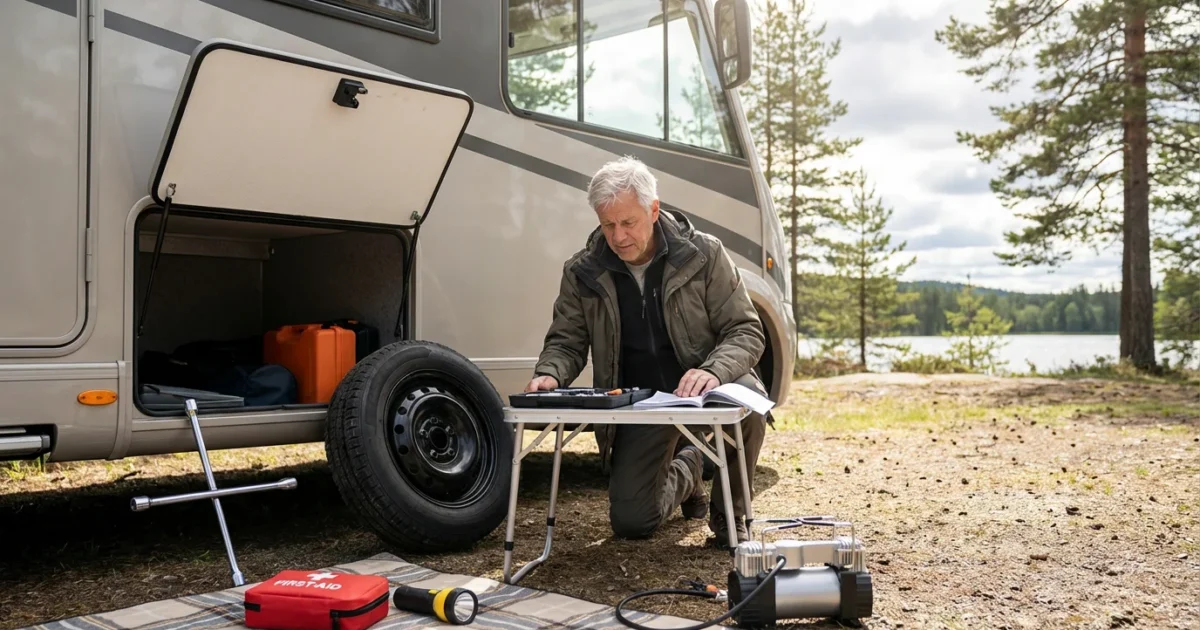
RV travel offers unparalleled freedom, allowing you to chase sunsets, explore hidden gems, and connect with nature at your own pace. The open road calls, promising adventure and discovery. However, even the most meticulously planned journeys can encounter unexpected bumps. Understanding how to handle an RV emergency quickly and calmly ensures your safety and preserves the joy of your travels.
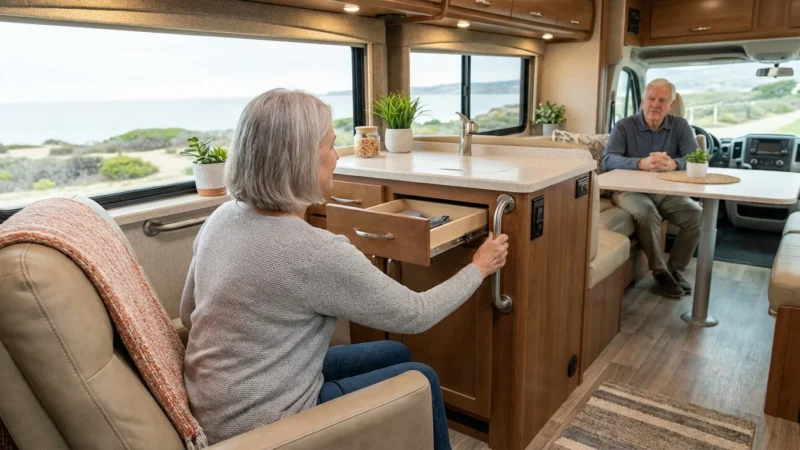
Selecting the right vehicle for your retirement lifestyle is the first step toward a worry-free journey.
This comprehensive guide empowers you with practical, actionable strategies for senior safety when facing common RV problems. You learn how to prepare for RV emergencies, what to do in RV emergency situations, and how to maintain peace of mind while exploring. Embrace the adventurous spirit, knowing you have the knowledge to navigate challenges confidently.
Table of Contents
- Proactive Preparation: The Cornerstone of Senior RV Safety
- Tire Trouble: Flats, Blowouts, and RV Problems on the Road
- Engine Overheating and Other Mechanical RV Breakdowns
- Electrical Failures: Keeping Your RV Powered and Safe
- Plumbing and Water Leaks: Handling RV Water Woes
- Medical Emergencies: Prioritizing Senior Safety on the Road
- Weather Hazards: Navigating Storms and Natural RV Emergencies
- Security Situations: Protecting Yourself and Your RV
- Creating Your RV Emergency Response Plan
- Frequently Asked Questions
Proactive Preparation: The Cornerstone of Senior RV Safety
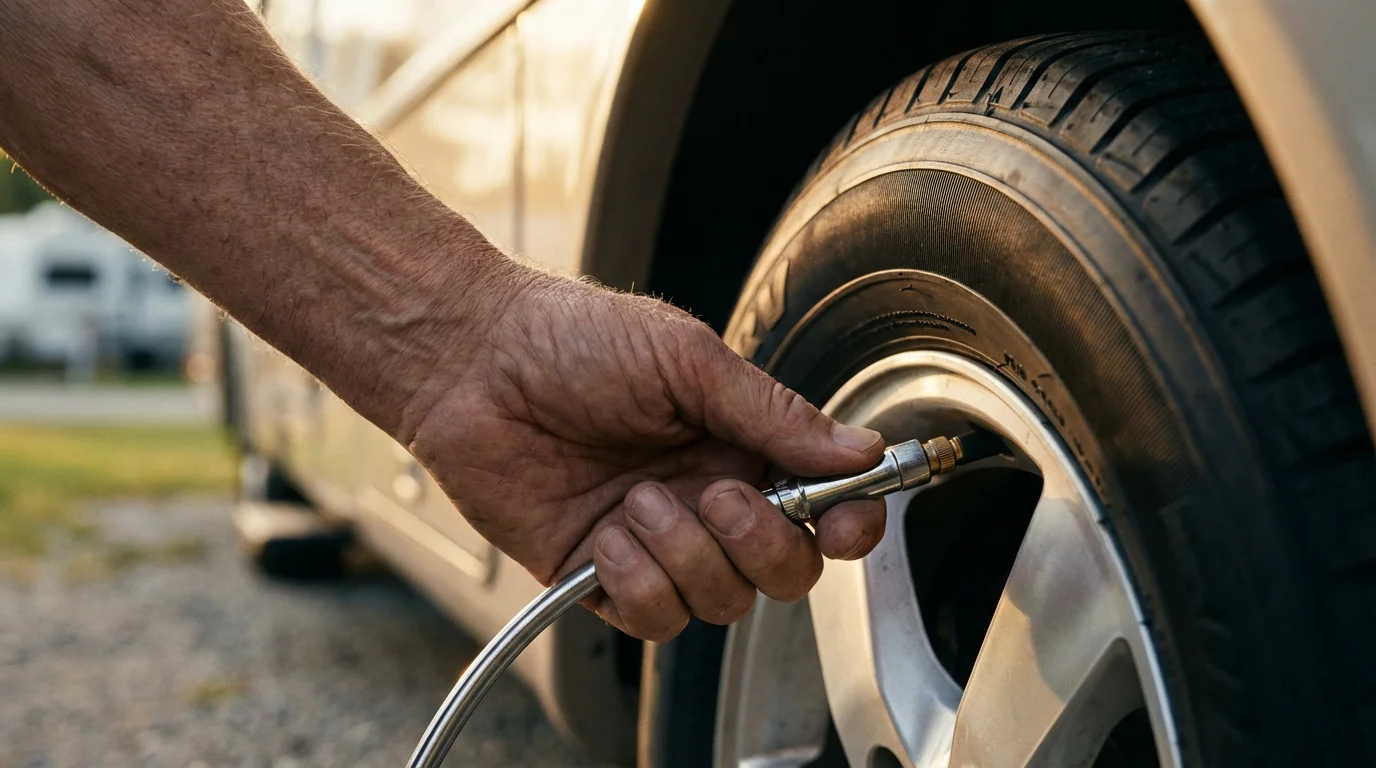
Anticipating potential challenges transforms them from crises into manageable inconveniences. Effective preparation is your best defense against any RV emergency, especially for senior safety. You build confidence and reduce stress by establishing routines and having essential resources at hand.
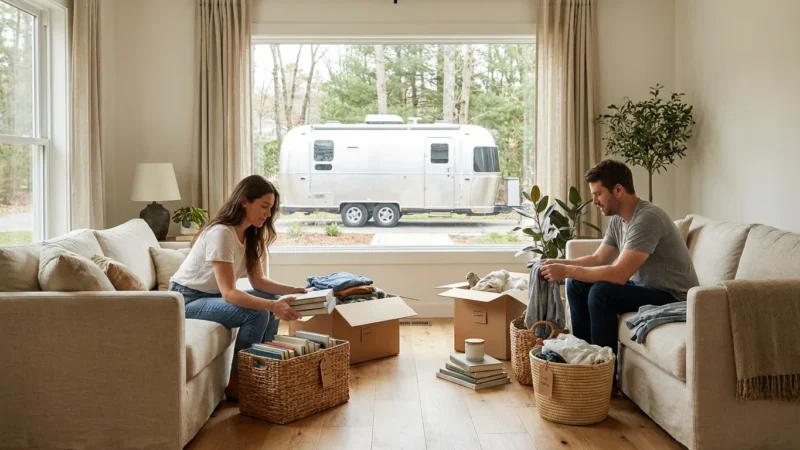
Effective preparation often begins with downsizing your belongings to ensure your emergency supplies remain easily accessible.
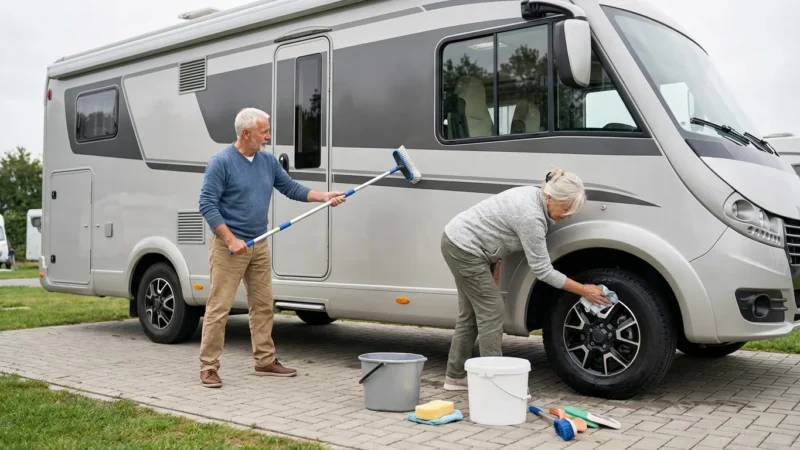
Before every trip, conduct thorough checks of your RV. Inspect tire pressure, fluid levels, and lighting. Test all appliances, including the refrigerator, stove, and water heater. A little vigilance before you hit the road prevents many common RV problems.
Your Essential RV Emergency Kit
A well-stocked emergency kit is non-negotiable. This kit provides immediate solutions for various RV emergencies, helping you address minor issues independently. Keep it accessible, so you can quickly retrieve items when needed.
- First aid kit: Include personal medications, pain relievers, bandages, antiseptic wipes, allergy medication, and any specific items your doctor recommends.
- Basic tool kit: Essential for minor repairs. Include wrenches, screwdrivers, pliers, duct tape, electrical tape, zip ties, and a multi-tool.
- Tire repair kit: Tire plugs, a portable air compressor, and a tire pressure gauge are vital for tire trouble.
- Jumper cables or a portable jump starter: Dead batteries happen.
- Flashlights and extra batteries: Crucial for nighttime issues.
- Emergency communication devices: A fully charged cell phone, portable power bank, and perhaps a satellite messenger for remote areas.
- Reflective triangles or flares: Enhance visibility if you must stop on the roadside.
- Fire extinguisher: Inspect its charge regularly.
- Water and non-perishable food: Carry at least a day’s supply.
- Warm blankets and extra clothing: Unexpected cold fronts occur.
- Gloves and safety glasses: Protect yourself while working.
Developing a Communication Strategy
Staying connected helps in any RV emergency. Share your itinerary with a trusted family member or friend. Establish a check-in schedule, especially if you plan to visit remote locations. This simple step provides an extra layer of senior safety.
Ensure your cell phone is always charged. Consider a signal booster if you frequently travel in areas with spotty reception. For truly off-grid adventures, a satellite phone or personal locator beacon offers reliable communication. Remember, the National Park Service encourages responsible travel, and communication helps ensure your safety in their vast landscapes.
Tire Trouble: Flats, Blowouts, and RV Problems on the Road
Tire issues represent some of the most common RV problems on the road. A flat tire or blowout feels alarming, but a calm, methodical approach helps you manage the situation effectively. Preventative measures significantly reduce your risk of a tire-related RV emergency.
Recognizing and Reacting to Tire Issues
You might feel a sudden pull to one side, hear a loud bang, or notice unusual vibrations. Do not panic. Grip the steering wheel firmly and slowly ease off the accelerator. Avoid sudden braking, which can lead to loss of control.
Signal your intent and gradually steer towards the nearest safe shoulder. Pull over as far off the road as possible, ensuring you have ample space between your RV and passing traffic. Engage your hazard lights immediately to alert other drivers.
Addressing a Flat Tire or Blowout
If you have the physical ability and tools, changing a tire is a practical skill. However, for many seniors, calling for professional assistance is the safest and most sensible option. Do not hesitate to use your roadside assistance plan.
Here are steps to take, whether you change it yourself or wait for help:
- Safely park your RV: Pull far off the road, engage the parking brake, and turn on hazard lights.
- Assess the situation: Determine if changing the tire yourself is safe and feasible. Consider traffic, weather, and your physical comfort.
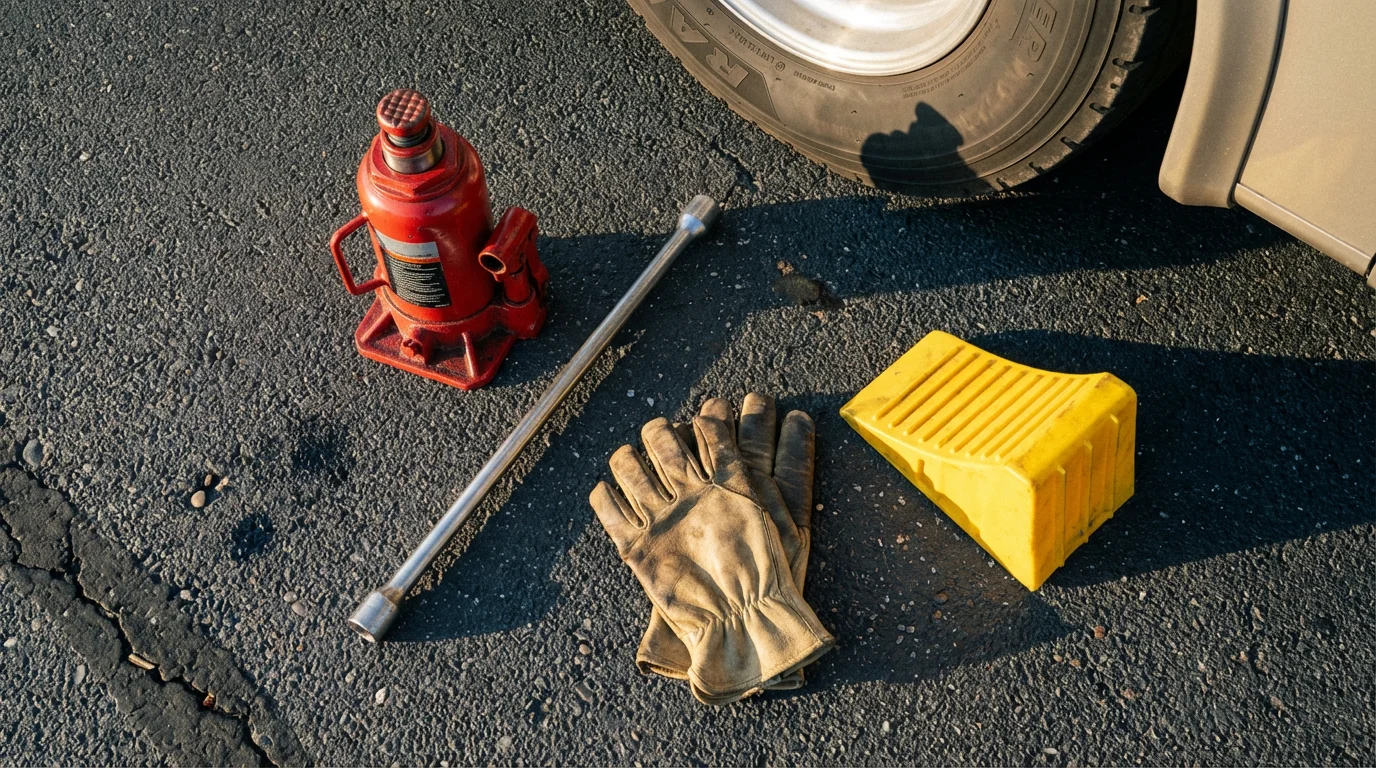
- Gather equipment: If changing the tire, retrieve your spare tire, jack, lug wrench, and reflective triangles.
- Increase visibility: Place reflective triangles or flares behind your RV to warn approaching traffic.
- Call for help: Contact your roadside assistance provider, insurance company, or a local towing service. Provide your exact location and a description of the RV emergency.
- Stay safe: Remain inside your RV if you are in a high-traffic area. If outside, stay away from the road, on the passenger side if possible, and wear a reflective vest.
Prevention is Key for Tire Longevity
Regular maintenance prevents many tire-related RV problems. Check tire pressure before every trip and always carry a reliable gauge. Over-inflated or under-inflated tires significantly increase blowout risk. Consult your RV owner’s manual for recommended pressures.
Inspect your tires for signs of wear, cracks, or bulges. Rotate and balance tires according to manufacturer guidelines. Consider investing in a Tire Pressure Monitoring System (TPMS) for real-time alerts about pressure changes, enhancing your senior safety on the road.
Engine Overheating and Other Mechanical RV Breakdowns
Mechanical failures are a common type of RV emergency. An overheating engine or an unexpected breakdown can be daunting, but knowing the appropriate steps to take helps you manage the situation effectively. Regular maintenance greatly reduces the likelihood of these RV problems.
Recognizing Engine Overheating
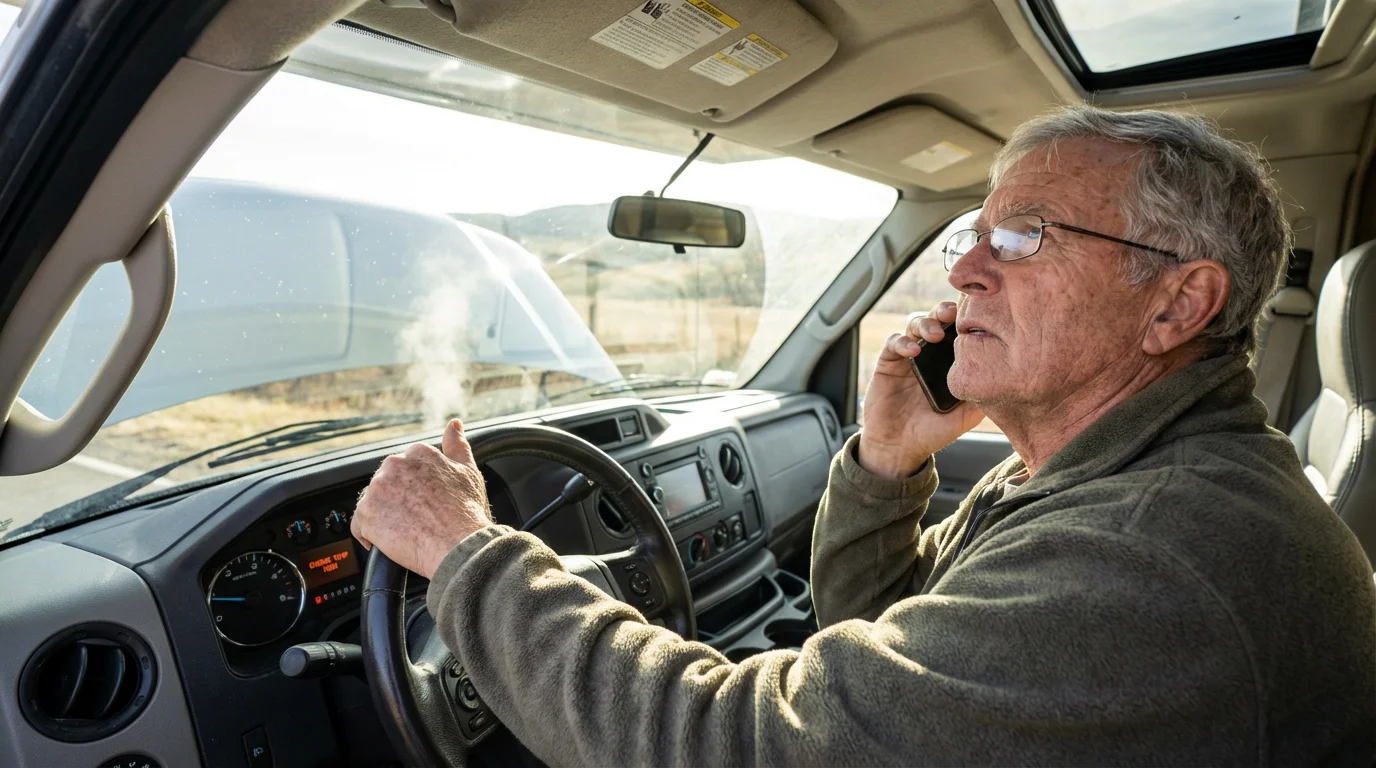
Watch for warning signs such as the temperature gauge rising into the red, steam coming from under the hood, or a burning smell. These indicate an immediate need to address the problem. Reacting quickly prevents more severe engine damage.
Immediate Actions for Overheating
If your engine overheats, follow these steps:
- Pull over immediately and safely: Find a safe spot off the road, engage your parking brake, and turn on your hazard lights.
- Turn off the engine: This allows the engine to begin cooling down.
- Do not open the radiator cap: Hot coolant is under pressure and can cause severe burns. Wait until the engine cools completely before checking coolant levels.
- Check coolant levels (once cool): If safe, after the engine cools for at least 30-60 minutes, check the coolant reservoir. If low, add coolant if you have it, or clean water in an emergency.
- Inspect for leaks: Look for visible leaks around hoses and the radiator.
- Call for assistance: If you cannot identify or safely resolve the issue, contact your roadside assistance. Explain the symptoms clearly.
Other Common Mechanical Breakdowns
Beyond overheating, other mechanical RV problems include transmission issues, brake failure, or electrical system malfunctions. Each requires prompt attention.
- **Brake problems:** If you notice reduced braking power, grinding sounds, or a spongy pedal, pull over immediately. Do not continue driving with compromised brakes.
- **Transmission issues:** Unusual noises, difficulty shifting gears, or slipping gears suggest transmission trouble. Stop driving to prevent further damage.
- **Steering problems:** Any loss of steering responsiveness or unusual play in the wheel demands immediate attention.
For any significant mechanical issue, especially those affecting safety systems, prioritize calling for professional help. Ensure your RV service has experience with large vehicles. AARP Travel often provides resources for finding reliable services, enhancing your senior safety during such an RV emergency.
Adventure is worthwhile in itself.
— Amelia Earhart
Electrical Failures: Keeping Your RV Powered and Safe
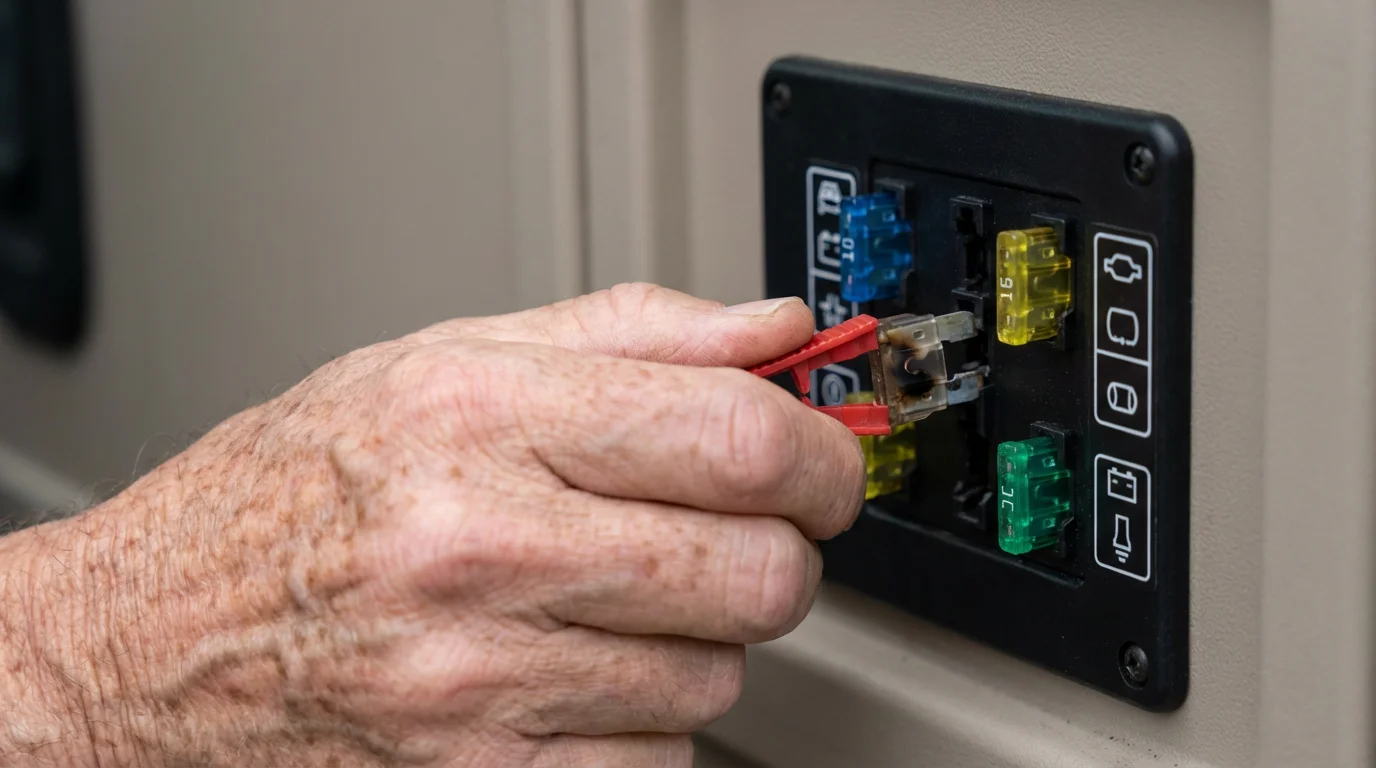
Electrical issues range from minor inconveniences, such as a blown fuse, to serious RV emergencies like an electrical fire. Understanding your RV’s electrical system helps you troubleshoot common RV problems and maintain senior safety. Always prioritize safety when dealing with electricity.
Common Electrical RV Problems
You might encounter issues with shore power connections, battery drain, or individual appliance failures. Many problems stem from overloaded circuits or loose connections.
- No power from shore hookup: Check the circuit breaker at the pedestal and your RV’s main breaker.
- Lights flicker or dim: This often indicates a low battery charge or a loose connection.
- Appliances not working: Check the specific fuse or breaker for that appliance.
- Burning smell: This indicates a severe electrical issue; immediately disconnect power and investigate carefully.
Troubleshooting Electrical Issues Safely
Approaching electrical RV emergencies requires caution. Always disconnect power at the source before inspecting components.
- Identify the affected area: Is it a single appliance, a specific circuit, or the entire RV?
- Check breakers and fuses: Locate your RV’s breaker panel and fuse box. Reset tripped breakers or replace blown fuses with new ones of the correct amperage.
- Inspect connections: Look for loose or corroded connections at the shore power pedestal, battery terminals, and within your RV’s main electrical panel.
- Test batteries: Use a voltmeter to check battery voltage. A low charge might indicate a failing battery or charging system issue.
- Look for signs of damage: Visually inspect wires for fraying, scorching, or melting.
- When to call an expert: If you cannot identify the problem, see any signs of burning, or feel uncomfortable working with electricity, immediately contact a qualified RV technician.
Preventing Electrical RV Emergencies
Preventative measures ensure a reliable electrical system. Avoid overloading circuits by not running too many high-draw appliances simultaneously. Regularly inspect your shore power cord for damage. Keep battery terminals clean and ensure proper ventilation around batteries to prevent dangerous gas buildup, critical for senior safety.

Plumbing and Water Leaks: Handling RV Water Woes
Water leaks, while often less dangerous than other RV emergencies, can cause significant damage if left unaddressed. They contribute to mold growth, rot, and structural issues. Knowing how to quickly identify and mitigate plumbing RV problems is essential for maintaining your RV’s integrity and your health.
Detecting and Responding to Leaks
Leaks can manifest as drips from faucets, wet spots under sinks, or unexplained dampness in walls or floors. A sudden drop in water pressure also indicates a leak somewhere in the system.
Immediate action minimizes damage:
- Shut off the water supply: Locate your RV’s main water shut-off valve, typically near the freshwater tank or city water inlet. For city water connections, disconnect the hose.
- Identify the source: Trace the water trail to pinpoint the leak. Common culprits include loose fittings, cracked pipes, or faulty water heater components.
- Contain the water: Use towels, buckets, or rags to absorb and collect any escaping water.
- Attempt a temporary fix: For small leaks, you might use plumbing tape, hose clamps, or epoxy putty as a temporary solution.
- Seek professional repair: Temporary fixes are rarely long-term solutions. Get the leak properly repaired by a qualified RV technician as soon as possible.
Dealing with Frozen Pipes
If you travel in cold weather, frozen pipes are a significant RV emergency risk. Water expands when it freezes, potentially bursting pipes and fittings.
- **Prevention:** Winterize your RV properly by draining all water lines and tanks and adding RV antifreeze to the plumbing system. Use tank heaters and insulated hoses if camping in freezing temperatures.
- **If pipes freeze:** Do not use open flames to thaw pipes. Use a hairdryer or space heater to gently warm the area. Ensure good ventilation to prevent carbon monoxide buildup. Once thawed, check for leaks that may have occurred due to expansion.
Regularly inspect all plumbing connections, hoses, and tanks for any signs of wear or damage. This proactive approach prevents many plumbing RV problems, protecting your investment and your senior safety.

Medical Emergencies: Prioritizing Senior Safety on the Road
Your health is paramount, especially when traveling. Dealing with a medical RV emergency requires clear thinking and preparation. Whether it is a sudden illness, an injury, or managing a chronic condition, senior safety relies on having a plan and accessible resources.
In addition to medical gear, building physical stamina can help you handle the physical stress of managing an unexpected roadside crisis.
Your Comprehensive Medical Kit
Beyond a standard first aid kit, personalize your medical supplies for your specific needs. This preparation makes a significant difference in a health-related RV emergency.
- All prescription medications: Carry extra doses beyond what you expect to need. Keep them in their original containers.
- Over-the-counter essentials: Pain relievers, antacids, anti-diarrhea medication, motion sickness remedies, and allergy pills.
- Wound care supplies: Steri-Strips, larger bandages, antiseptic wipes, antibiotic ointment, and gauze pads.
- Personal protective equipment: Gloves, face masks, and hand sanitizer.
- Medical alert information: Wear a medical alert bracelet or carry a card detailing allergies, medical conditions, and emergency contacts.
- Blood pressure monitor, glucose meter: If you manage these conditions, bring your monitoring equipment.
- Emergency contact list: Include your doctor’s number, family contacts, and your insurance information.
Responding to a Medical Incident
Should a medical RV emergency arise, acting quickly and calmly is crucial.
- Assess the situation: Determine the severity of the medical issue. Is it life-threatening?
- Ensure safety: If you are driving, pull over to a safe location immediately.
- Call for help: Dial 911 (or local emergency services) immediately for severe symptoms such like chest pain, severe shortness of breath, sudden weakness, or loss of consciousness.
- Provide clear information: When speaking with emergency services, state your exact location, the nature of the emergency, and the patient’s condition.
- Administer first aid: Provide any necessary first aid, such as applying pressure to a bleeding wound or administering prescribed medication like an EpiPen.
- Stay with the individual: Do not leave the person alone until medical professionals arrive.
- Communicate with emergency contacts: Inform your designated emergency contacts about the situation.
Proactive Health Management
Prioritize regular check-ups with your doctor before any extended RV trip. Discuss your travel plans, especially if they involve different altitudes, climates, or international destinations. The CDC Travelers’ Health website offers excellent guidance for various health considerations. Staying active and hydrated also contributes significantly to your overall well-being and senior safety on the road.

Weather Hazards: Navigating Storms and Natural RV Emergencies
Weather poses a significant risk for any RV traveler. From sudden thunderstorms to extreme heat or snow, being prepared for natural RV emergencies keeps you safe. Vigilance and a proactive mindset are your best defenses against unpredictable weather.
From sudden coastal fog on scenic Maine drives to high winds on the plains, awareness is your best tool.
Monitoring Weather and Planning Ahead
Always check the weather forecast for your current location and your planned route. Use reliable weather apps and local news channels. Avoid traveling into known severe weather systems, like hurricanes, tornadoes, or blizzards.
If forecasts predict bad weather, adjust your itinerary. Seek a safe campground or secure location to weather the storm. This foresight is a cornerstone of senior safety for RVers.
Responding to Specific Weather Emergencies
- **High Winds:** Park your RV facing into the wind if possible to minimize the broadside area. Retract awnings, antennas, and any other extendable items. Secure all loose outdoor furniture. If winds are severe, consider moving to a sturdy building or community shelter.
- **Thunderstorms and Lightning:** Seek shelter immediately. Avoid standing under trees or near tall objects. Disconnect your RV from shore power to protect against lightning strikes. Stay inside your RV; it provides a degree of protection.
- **Heavy Rain and Flooding:** Do not drive through flooded roads. Turn around and find an alternate route. Be aware of flash flood warnings, especially in desert or mountainous areas. Move to higher ground if your campsite is in a low-lying area.
- **Extreme Heat:** Stay hydrated by drinking plenty of water. Use your RV’s air conditioning, if available. Avoid strenuous outdoor activities during the hottest parts of the day. Be aware of signs of heat exhaustion or heatstroke.
- **Winter Storms and Snow:** If caught in a snowstorm, try to reach a safe, developed area. Ensure your furnace and propane supply work well. Clear snow from your RV’s roof regularly to prevent collapse. Have emergency supplies for warmth and communication.
- **Wildfires:** Monitor local fire alerts, especially when near national forests or parks. If an evacuation order is issued, follow it immediately. Know your escape routes. Consult the National Forest Foundation for information on fire safety in wildland areas.
Security Situations: Protecting Yourself and Your RV
While RVing typically offers a sense of freedom and community, security situations can arise. Protecting yourself and your belongings is vital for senior safety. Simple precautions and a heightened awareness deter most RV problems related to security.
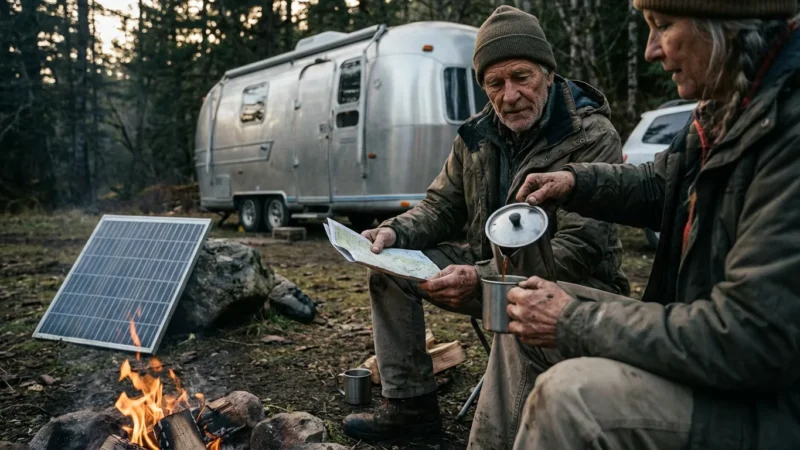
When parking in remote wilderness areas, always follow wildlife safety tips to minimize risks to yourself and your motorhome.
General RV Security Practices
Make your RV less appealing to opportunistic thieves. Most RV break-ins are crimes of opportunity.
- Lock all doors and windows: Even when you are inside or just stepping away for a moment.
- Secure valuables: Keep electronics, jewelry, and important documents out of sight or locked in a safe.
- Use exterior lighting: Motion-sensor lights deter nighttime prowlers.
- Maintain a tidy campsite: Clutter attracts attention and suggests easy access to belongings.
- Install additional locks: Consider deadbolts or bar locks on entry doors.
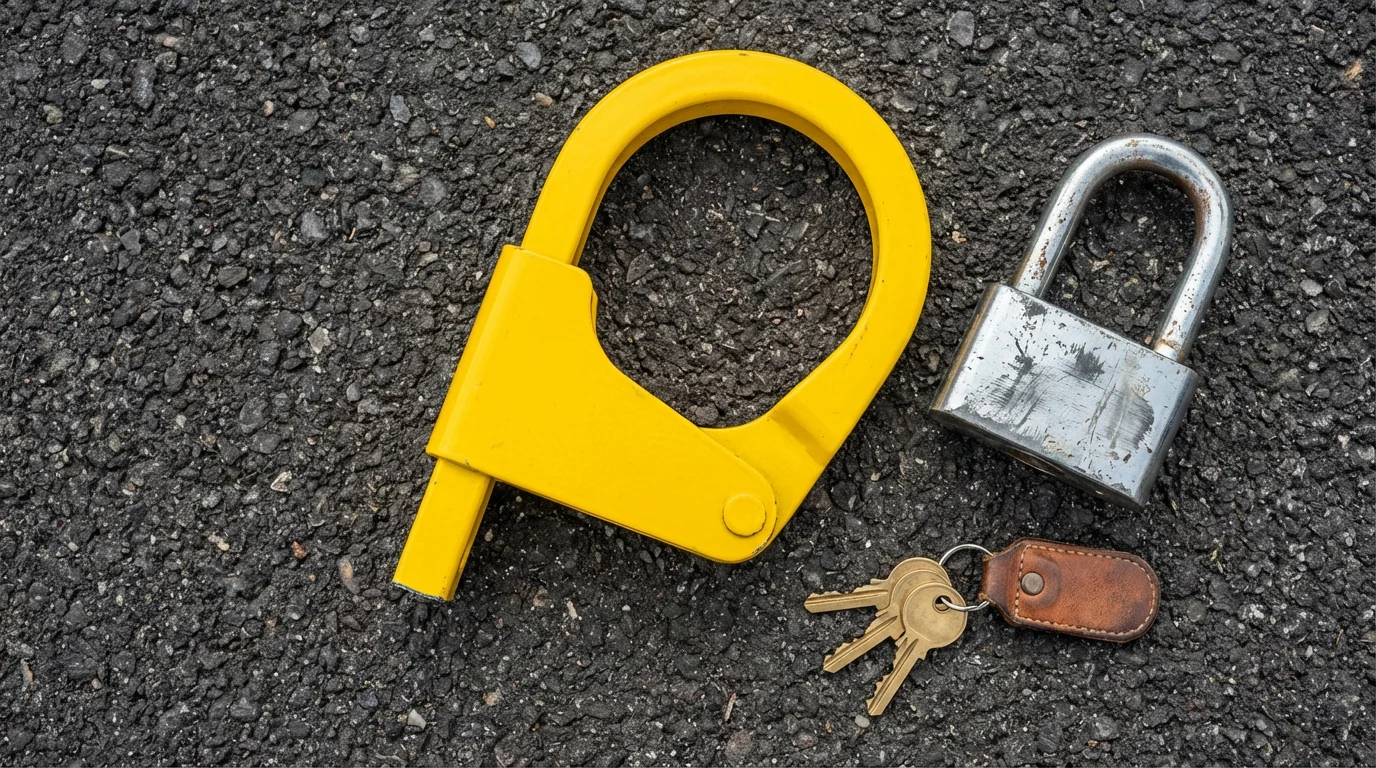
- Use wheel locks or hitch locks: These deter theft of the entire RV or trailer.
Dealing with Suspicious Activity or Trespassers
If you observe suspicious individuals or activity near your RV or campsite, trust your instincts. Do not confront them directly. Your senior safety is the priority.
- Observe from a distance: Note descriptions of individuals, vehicles, and any specific actions.
- Secure your RV: Lock all doors and windows. Pull down blinds.
- Contact authorities: Call campground management or local law enforcement (911). Provide them with a clear, calm description of what you observe.
- Do not engage: Avoid direct confrontation, which can escalate the situation.
- Stay alert: Remain aware of your surroundings until the situation resolves.
Personal Safety While Traveling
Your personal safety extends beyond your RV. When exploring, keep these tips in mind.
- Travel with a buddy: If possible, explore new areas with a companion.
- Inform someone of your plans: Let someone know your intended route and expected return time, especially if hiking or solo adventuring.
- Carry a personal alarm: A loud alarm can deter attackers and draw attention.
- Be aware of your surroundings: Avoid distractions like constantly looking at your phone.
- Avoid walking alone at night in unfamiliar areas.
RVing is generally very safe, but being prepared for potential security RV problems ensures you can travel with confidence and peace of mind.
Creating Your RV Emergency Response Plan
The best way to handle any RV emergency is to have a plan. A written, rehearsed emergency response plan removes guesswork and allows you to act decisively. This systematic approach is invaluable for senior safety and helps you address what to do in RV emergency situations.
Developing Your Personalized Plan
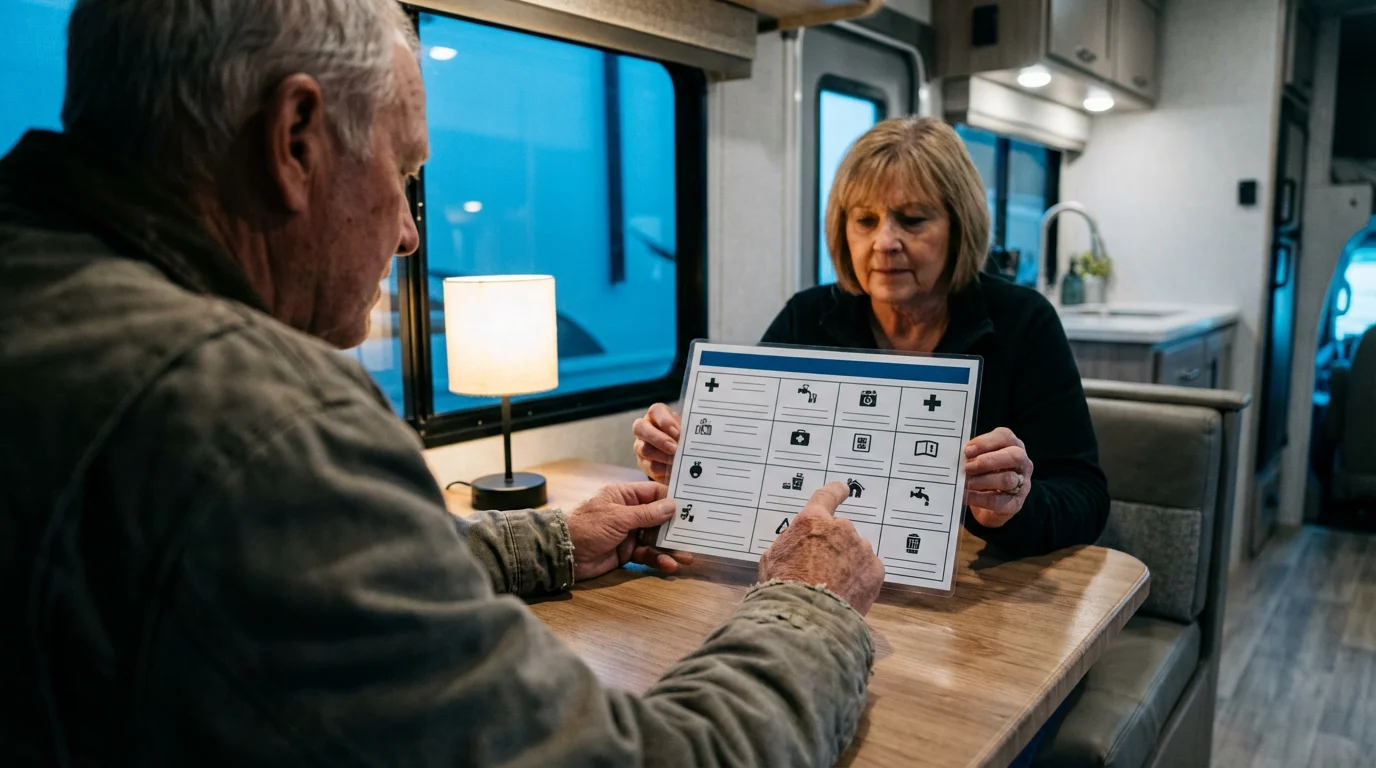
Create a step-by-step guide for various common RV problems. Keep this plan physically in your RV, perhaps laminated, and easily accessible. Share it with anyone traveling with you.
- Identify potential RV emergencies: List the most likely scenarios you might face (e.g., flat tire, engine trouble, medical emergency, fire).
- Outline immediate actions for each scenario: What is the very first thing you do? (e.g., “Pull over safely,” “Shut off water supply,” “Call 911”).
- List necessary equipment: For each emergency, identify the tools or supplies you would need from your emergency kit.
- Compile essential contact information: Create a list of emergency services, roadside assistance, insurance, and personal contacts.
- Practice and review: Periodically review your plan with your travel companions. Discuss scenarios and ensure everyone understands their role.
- Update regularly: As your RV, health, or travel habits change, update your emergency plan.
Emergency Contact Information Table
Keep this vital information readily available, perhaps near your RV’s entrance or dashboard.
| Contact Type | Name/Service | Phone Number | Notes |
|---|---|---|---|
| Emergency Services | Police/Fire/Ambulance | 911 | Always for immediate threats |
| Roadside Assistance | [Your Provider Name] | [Provider’s Phone Number] | e.g., Good Sam, AAA, RV Manufacturer |
| RV Insurance | [Your Insurance Company] | [Claims Phone Number] | Policy Number: [Your Policy Number] |
| Primary Doctor | [Doctor’s Name] | [Doctor’s Phone Number] | |
| Emergency Contact 1 | [Family/Friend Name] | [Phone Number] | Relationship: [e.g., Daughter] |
| Emergency Contact 2 | [Family/Friend Name] | [Phone Number] | Relationship: [e.g., Neighbor] |
| RV Repair Shop | [Preferred Local Shop] | [Shop Phone Number] |
Having this information organized and accessible prevents fumbling during stressful moments. This proactive approach significantly enhances your ability to respond effectively to any RV emergency, maintaining your senior safety and allowing you to continue enjoying the adventure.
Frequently Asked Questions
What is the most common RV emergency for seniors?
The most common RV emergencies often involve tire issues, such as flats or blowouts, and minor mechanical breakdowns like engine overheating. Plumbing leaks and electrical glitches also frequently occur. Being prepared with a good emergency kit and roadside assistance plan significantly mitigates these common RV problems.
How can I stay calm during an RV emergency?
Preparation is key to staying calm. If an RV emergency occurs, take a deep breath, assess the situation, and refer to your emergency response plan. Focus on immediate safety steps, like pulling over, turning on hazards, and calling for help. Remind yourself that you have prepared for these situations.
Should I try to fix all RV problems myself?
For minor RV problems, such as a simple fuse replacement or tightening a loose connection, self-repair might be feasible if you possess the skills and tools. However, for significant mechanical failures, complex electrical issues, or any situation affecting your senior safety, it is always best to call a qualified professional or roadside assistance. Do not attempt repairs that put you at risk.
What should be in an RV emergency communication kit?
An RV emergency communication kit should include a fully charged cell phone, a portable power bank, and a vehicle charger. For remote areas, consider a satellite messenger or phone. Always carry a list of emergency contacts, including family, doctors, and roadside assistance. Inform someone of your travel plans and check-in regularly.
How can I prepare my RV for unexpected weather?
Always monitor weather forecasts for your route and destination. Prepare for heavy rain by checking roof seals and ensuring clear drains. For cold weather, winterize your RV or use heated hoses and tank heaters. In hot climates, ensure your AC unit functions optimally and stay hydrated. Have an emergency plan for severe storms or wildfires, which you can find through resources like the National Park Service.
Is roadside assistance worth it for RVers?
Yes, roadside assistance is highly recommended for RVers, especially for seniors. RVs are complex vehicles, and many common RV problems require specialized towing or repair services that standard car insurance or general assistance plans may not cover. An RV-specific roadside assistance plan provides peace of mind, knowing help is available for tire changes, mechanical breakdowns, and other RV emergencies, enhancing your overall senior safety.
Disclaimer: This article is for informational purposes only. Travel conditions, accessibility, and requirements change frequently. We encourage readers to verify current information with official sources before traveling. Always consult with healthcare providers about travel considerations for your specific health situation.


Leave a Reply