
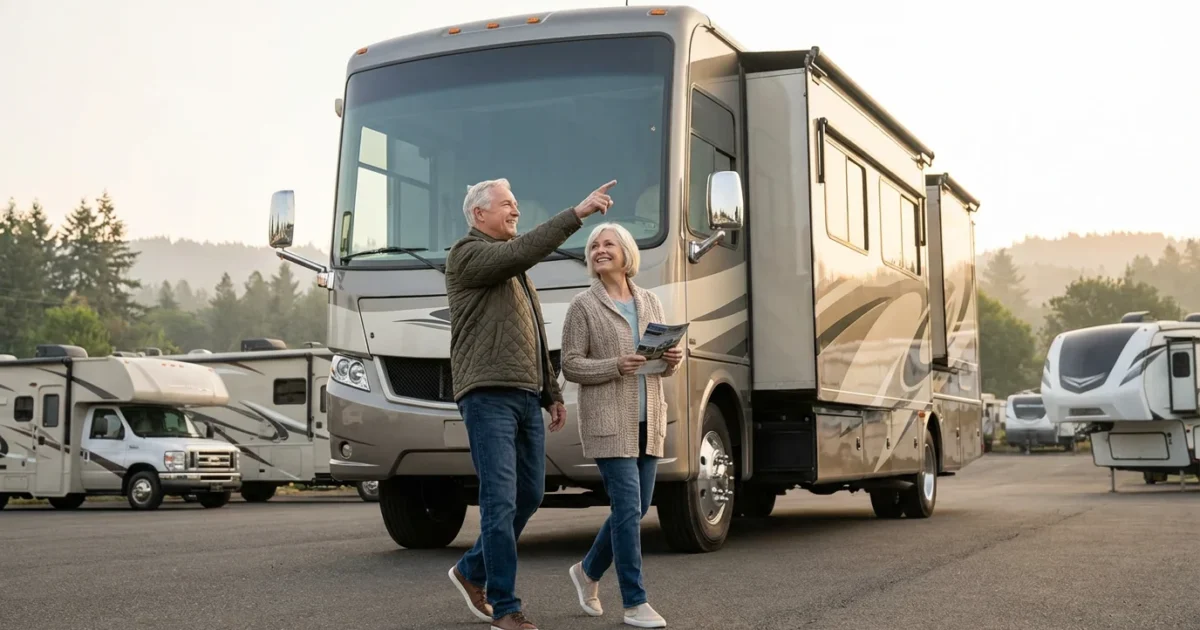
The open road calls to you, promising freedom, discovery, and unforgettable memories. As a senior, you possess the wisdom and the time to truly savor the journey. An RV transforms travel into a seamless extension of your home, offering unparalleled flexibility to explore at your own pace. Imagine waking up to new horizons daily, with all the comforts of home just steps away.
Using an essential RV checklist can help ensure your vehicle is ready for every mile of the journey.
Choosing the right RV for your lifestyle involves understanding your needs, your travel aspirations, and the distinct characteristics of various RV types. This guide will walk you through the essential considerations, helping you make an informed decision that empowers your next grand adventure. We will explore everything from maneuverability to amenities, ensuring your chosen RV truly complements your senior lifestyle.
Table of Contents
- Why RV Travel Appeals to Seniors
- Understanding RV Types: Your Mobile Home Options
- Key Considerations Before You Buy
- Matching RV Features to Senior Needs
- The RV Buying Process: A Step-by-Step Guide
- Budgeting for Your RV Adventure
- Embracing the RV Lifestyle: Tips for the Road
- Frequently Asked Questions

Why RV Travel Appeals to Seniors
RV travel offers a unique blend of comfort and adventure, perfectly suited for the senior explorer. You control your itinerary, avoiding strict schedules and costly hotel bookings. This flexibility allows for spontaneous detours to charming small towns or extended stays in breathtaking natural landscapes.
If you are looking for a variety of ways to travel, there are many other budget-friendly adventure vacations perfect for the retirement years.
Once you have your vehicle, you can explore amazing US road trips that offer stunning scenery and senior-friendly amenities.
Many seniors find RVing a more comfortable way to travel. You bring your own bed, your own kitchen, and your own pace. This eliminates the stress of packing and unpacking repeatedly, ensuring a consistent and familiar environment wherever you roam. It becomes a true home on wheels.
The community aspect of RVing also attracts many seniors. Campground gatherings, shared stories around a campfire, and a friendly wave from fellow travelers create a strong sense of camaraderie. You join a vibrant network of adventurers who share your passion for discovery and the open road. This makes the journey even richer.
The world is a book and those who do not travel read only one page. — Saint Augustine
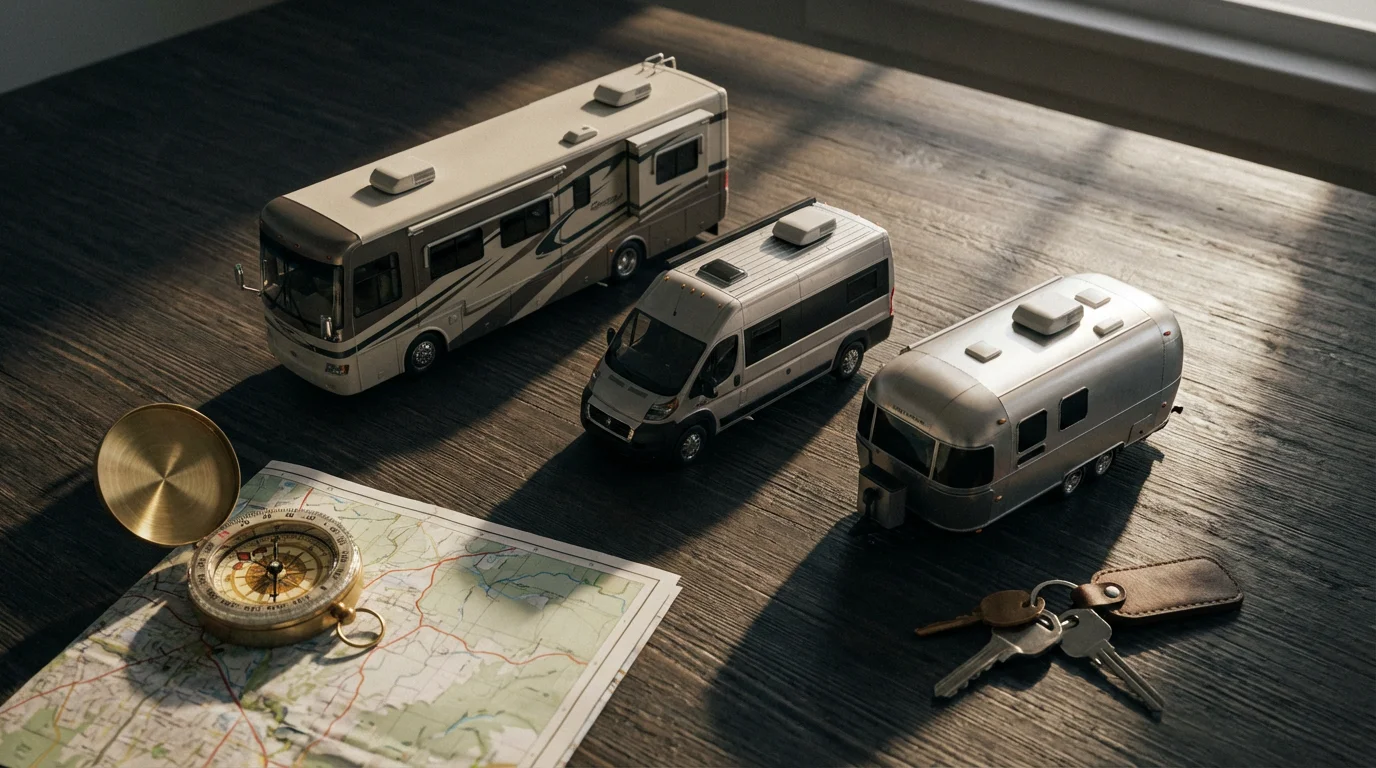
Understanding RV Types: Your Mobile Home Options
Selecting the right RV begins with understanding the distinct categories available. Each type offers different advantages regarding size, maneuverability, amenities, and cost. Consider your comfort with driving larger vehicles and your specific space requirements.
Here, we break down the primary RV types to help you identify which RV is best for your travel dreams. This comprehensive overview helps clarify the options before diving into specific models. Explore the features that truly matter to you.
Class A Motorhomes: The Luxurious Giants
Class A motorhomes resemble buses, offering expansive living spaces, often with multiple slide-outs. They typically include full kitchens, bathrooms, private bedrooms, and ample storage. You experience a true home-like environment with these RV types, ideal for extended trips or full-time living.
Driving a Class A requires confidence due to its size and weight. While providing luxurious comfort, their fuel efficiency is generally lower, and parking can present challenges. They often come equipped with advanced driving aids, which enhance safety and ease of operation.
Class B Motorhomes: Agile and Compact
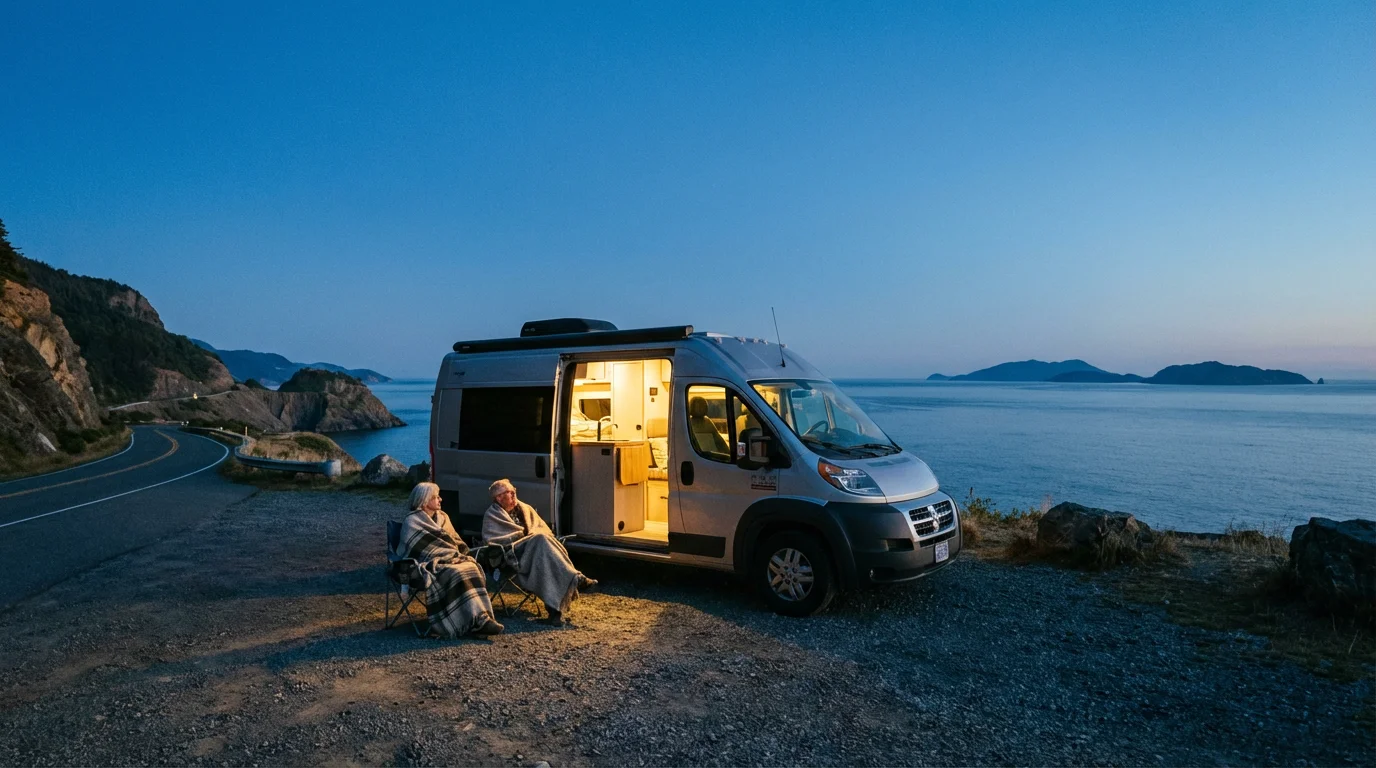
Class B motorhomes, often called “camper vans,” build on a standard van chassis. They offer excellent maneuverability, making them easy to drive and park in most locations, even city streets. These compact senior RV options are perfect for solo travelers or couples seeking agility and convenience.
Despite their smaller footprint, Class B RVs pack in essential amenities, including a small kitchen, sleeping area, and often a compact wet bath. While space is limited, their fuel efficiency and ease of use make them popular for shorter trips and exploring off-the-beaten-path destinations. They offer a comfortable balance of convenience and capability.
Class C Motorhomes: Family-Friendly Versatility
Class C motorhomes sit on a cutaway chassis, identified by their distinctive over-cab bunk area. They strike a balance between the spaciousness of a Class A and the drivability of a Class B. These are excellent RV types for couples who desire more room or for traveling with grandchildren.
You find amenities like full kitchens, dry baths, and various sleeping configurations in Class C models. Their driving experience feels more like a large truck, which many seniors find comfortable. These models represent a versatile choice for many senior lifestyles, offering a good compromise between size and function.
Fifth-Wheel Trailers: Spacious Towables
Fifth-wheel trailers require a heavy-duty pickup truck for towing, connecting via a special hitch in the truck bed. They feature a bi-level design, often providing generous living space, high ceilings, and separate sleeping areas. Many consider them the most residential among towable RV types.
You gain significant living area and storage with a fifth-wheel. Detaching the truck allows for easy sightseeing and errands once you set up camp. While towing requires practice, many experienced RVers find the fifth-wheel connection stable and secure on the road. This option provides excellent long-term comfort.
Travel Trailers: Diverse and Accessible
Travel trailers represent the most diverse category of towable RVs. They range from small, lightweight models that SUVs can tow, to large units requiring heavier trucks. You hook them to a standard bumper hitch, making them accessible to a broader range of tow vehicles.
This variety means you can find a travel trailer perfectly suited for any budget or lifestyle. They offer flexibility in floor plans and amenities. Similar to fifth-wheels, you unhitch your tow vehicle for local excursions, providing convenience at your destination. This makes them a strong contender for how to choose right RV model.
Pop-Up Campers and Truck Campers: Minimalist Choices
Pop-up campers offer a lightweight, collapsible design, making them easy to tow and store. They expand at the campsite to provide sleeping areas and basic kitchen facilities. These are excellent for budget-conscious adventurers or those new to RVing who want a taste of the experience.
Truck campers fit into the bed of a pickup truck, providing a compact living space that goes wherever your truck can. They are ideal for adventurers seeking to access remote areas and enjoy off-grid camping. Both options represent minimalist senior RV choices, maximizing outdoor enjoyment.
| RV Type | Driving Difficulty | Typical Length (feet) | Sleeping Capacity | Estimated New Cost Range | Pros for Seniors | Cons for Seniors |
|---|---|---|---|---|---|---|
| Class A Motorhome | Moderate to High | 25-45 | 2-8 | $100,000 – $500,000+ | Luxurious, spacious, comfortable, easy access | Large to drive/park, higher fuel/maintenance |
| Class B Motorhome | Low | 17-24 | 1-4 | $80,000 – $200,000+ | Easy to drive/park, fuel-efficient, stealth camping | Limited space, small amenities, higher cost per square foot |
| Class C Motorhome | Low to Moderate | 20-35 | 2-6 | $70,000 – $180,000+ | Good balance of space/drivability, comfortable | Less spacious than Class A, can be tricky to park |
| Fifth-Wheel Trailer | Moderate (towing) | 25-45 | 2-8 | $30,000 – $150,000+ | Very spacious, residential feel, detaching truck | Requires heavy-duty truck, challenging to tow initially |
| Travel Trailer | Low to Moderate (towing) | 12-35 | 2-8 | $15,000 – $100,000+ | Wide range of sizes/prices, easy to unhitch, tow with various vehicles | Requires separate tow vehicle, subject to sway |
| Pop-Up Camper | Very Low (towing) | 8-16 (closed) | 2-6 | $8,000 – $25,000 | Lightweight, easy to tow/store, affordable | Limited amenities, setup required, less insulation |
| Truck Camper | Low (driving) | 8-12 | 1-3 | $10,000 – $60,000+ | Access to remote areas, compact, no towing required | Limited space, higher center of gravity for truck |
Key Considerations Before You Buy
Before committing to an RV, thoroughly evaluate your personal preferences and practical needs. This stage of the RV buying process prevents future regrets and ensures your investment aligns with your travel dreams. Think critically about how you envision using your new mobile home.
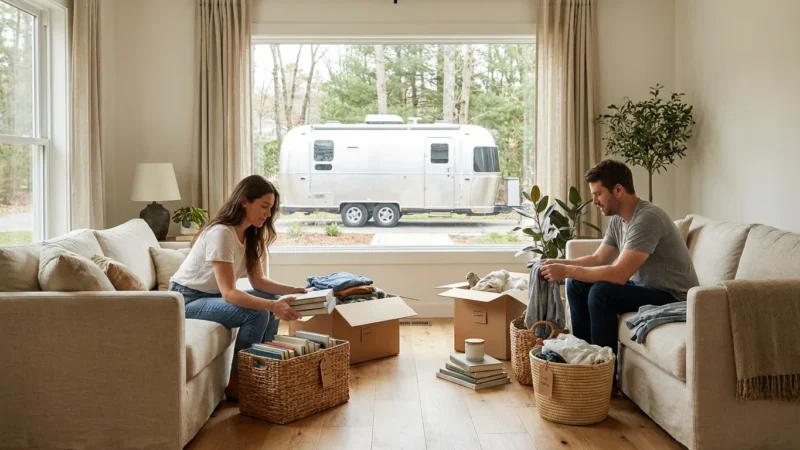
Part of the preparation involves decluttering for RV life, ensuring you only bring the essentials for your new mobile lifestyle.
Your Budget: Beyond the Purchase Price
The initial purchase price only represents one part of RV ownership. Factor in recurring costs such as insurance, fuel, maintenance, storage, and campground fees. Create a realistic budget that covers all aspects of RV travel, preventing financial surprises down the road. Some seniors choose to buy used models to reduce initial outlay.
Regular maintenance keeps your RV safe and reliable. You will also need to consider consumables like propane, water, and waste disposal products. A comprehensive budget helps you understand the true cost of the RV lifestyle. This foresight contributes to a more enjoyable ownership experience.
Your Lifestyle and Travel Companions
Are you traveling solo, as a couple, or with family and pets? The number of occupants significantly impacts the size and layout of the RV you require. Ensure adequate sleeping arrangements, living space, and storage for everyone, including furry friends. Consider the comfort and privacy needs of all travelers.
Your travel style also matters. Do you prefer long-term stays in one location or constantly moving to new destinations? Are you a weekend warrior or planning to full-time? These factors influence the durability, features, and overall ruggedness you need from your senior RV. Match your vehicle to your adventures.
Driving Comfort and Accessibility
Ease of driving constitutes a major consideration for many seniors. Test drive various RV types to assess your comfort level with their size and maneuverability. Look for models with comfortable seating, good visibility, and power steering that eases handling. Modern RVs often include backup cameras and other driving aids.
Accessibility within the RV also proves crucial. Evaluate step-in heights, bathroom layouts, shower access, and aisle widths. Some models offer specific accessibility packages or floor plans. Think about how easily you move around the space and operate controls. This ensures daily living is comfortable and safe.
Desired Amenities and Features
List the essential amenities you cannot live without. This might include a spacious kitchen, a comfortable sleeping arrangement, an entertainment system, or ample storage. Consider climate control, including air conditioning and heating, for comfort in various weather conditions. Hot water capacity is another important factor.
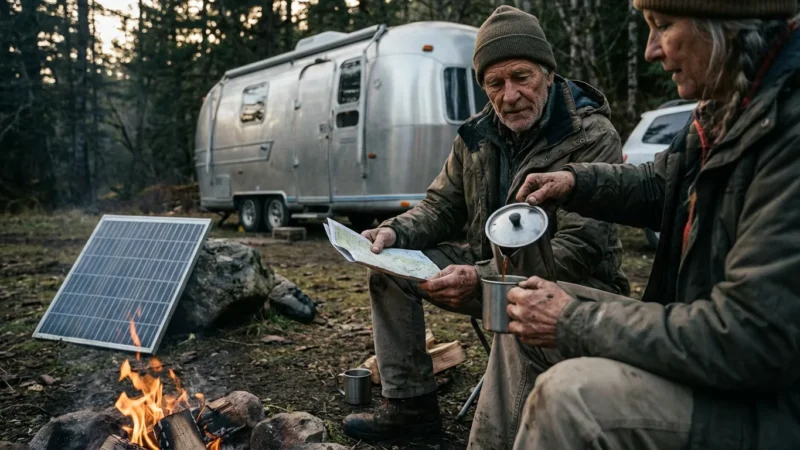
Beyond the basics, think about features that enhance your travel experience. This could involve solar panels for off-grid capabilities, exterior awnings for shade, or specific connectivity options. Prioritize features that genuinely improve your comfort and enjoyment. This helps narrow down which RV is best for you.
Adventure is worthwhile in itself. — Amelia Earhart

Matching RV Features to Senior Needs
Your comfort and safety are paramount when choosing an RV for your senior years. Many RV manufacturers now offer features specifically designed to enhance accessibility and ease of use. Focus on aspects that contribute to a stress-free and enjoyable travel experience.
While an RV offers independence, some seniors also enjoy the curated experience of senior group tours for specific bucket-list destinations.
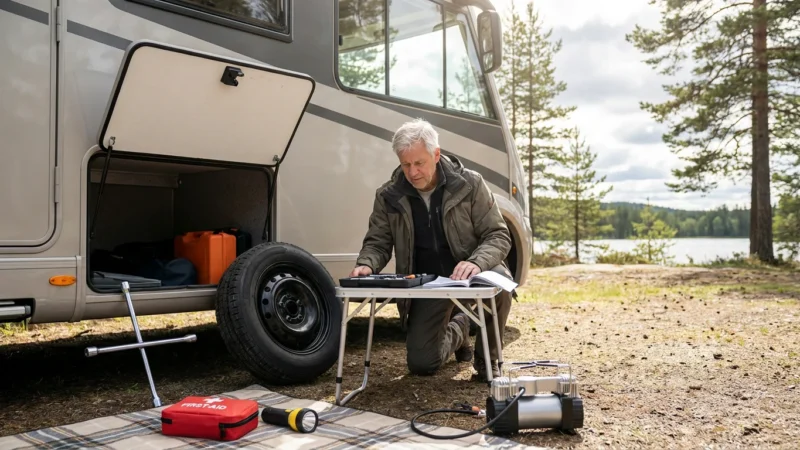
In addition to comfort features, ensuring you have the tools to manage RV emergencies is a vital part of planning.
Accessibility and Ergonomics
- Low Entry Steps: Look for RVs with fewer, lower steps, or even ramp options for easier entry and exit. Some models include automatic lowering steps.
- Wider Doorways: Ensure interior doors and the main entry door are wide enough for comfortable passage, especially if using mobility aids.
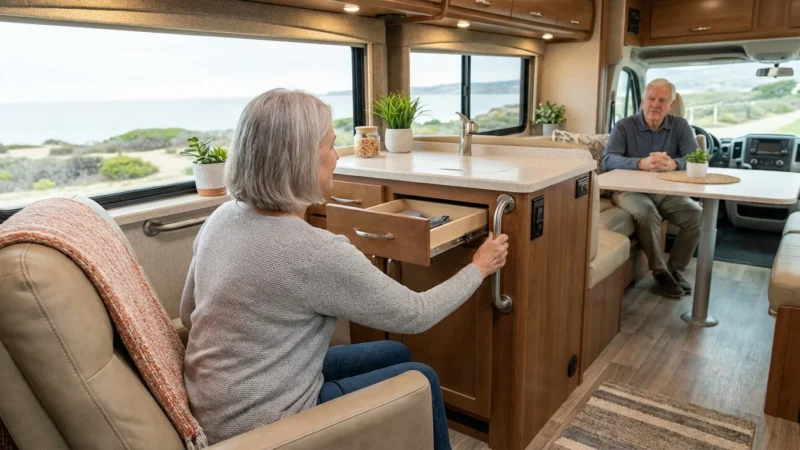
- Grab Bars: Check for sturdy grab bars in bathrooms, near beds, and at entryways. You can also install aftermarket options for added support.
- Spacious Bathrooms: Prioritize bathrooms with ample turning space, walk-in showers, and accessible toilets. A separate shower and toilet area, known as a dry bath, often provides more room.
- Easy-to-Reach Controls: Verify that light switches, appliance controls, and climate control panels are at a comfortable height and easy to operate.
Safety and Security Features
- Backup Cameras and Parking Sensors: These greatly assist in maneuvering larger RVs, making parking safer and less stressful. Many modern RVs include multi-view camera systems.
- Tire Pressure Monitoring Systems (TPMS): Maintaining correct tire pressure is vital for safety and fuel efficiency. A TPMS provides real-time alerts for potential issues.
- Carbon Monoxide and Propane Detectors: Ensure your RV includes working detectors and test them regularly. These are critical safety devices.
- Adequate Lighting: Good interior and exterior lighting enhances safety, especially at night. Look for bright LED lights both inside and around the perimeter of your RV.
- Stabilizers and Leveling Systems: Automatic leveling systems simplify setting up camp, ensuring a stable and secure living environment.
Maintenance and Ease of Use
Consider the ease of maintaining your chosen RV. For example, look for models with accessible engine compartments for motorhomes or easy-to-reach utility hookups for all RV types. Simpler systems often mean fewer potential issues and easier DIY fixes.
Think about how easily you can perform routine tasks like emptying tanks, checking fluid levels, and opening/closing slide-outs. An RV that minimizes strenuous activity contributes significantly to your enjoyment. This helps you select which RV is best for your capabilities.

The RV Buying Process: A Step-by-Step Guide
Purchasing an RV represents a significant investment and an exciting step towards adventure. Approaching the RV buying process methodically ensures you make the best choice. Follow these steps to navigate the journey smoothly and confidently.
- Define Your Needs and Research RV Types:
Before looking at specific models, clearly outline your budget, desired travel style, number of travelers, and must-have amenities. Use resources like this article to understand the different RV types and their suitability for your senior lifestyle. Make a comprehensive list of your priorities.
- Rent Before You Buy:
Experience different RV types firsthand by renting a few models. This practical experience helps you determine what you truly like and dislike in terms of driving, living space, and features. It is the single best way to avoid buyer’s remorse.
- Visit Dealerships and RV Shows:
Explore various RVs in person. Sit in the driver’s seat, walk through the living areas, test the beds, and imagine yourself living in the space. RV shows offer the advantage of seeing many different brands and models in one location, often with special pricing.
- Consider New vs. Used:
New RVs come with warranties and the latest features, but they also depreciate quickly. Used RVs offer significant savings but require thorough inspection. For budget-conscious senior RV buyers, a well-maintained used RV can be an excellent value. AARP Travel provides resources on finding good deals on travel related purchases.
- Perform a Thorough Inspection:
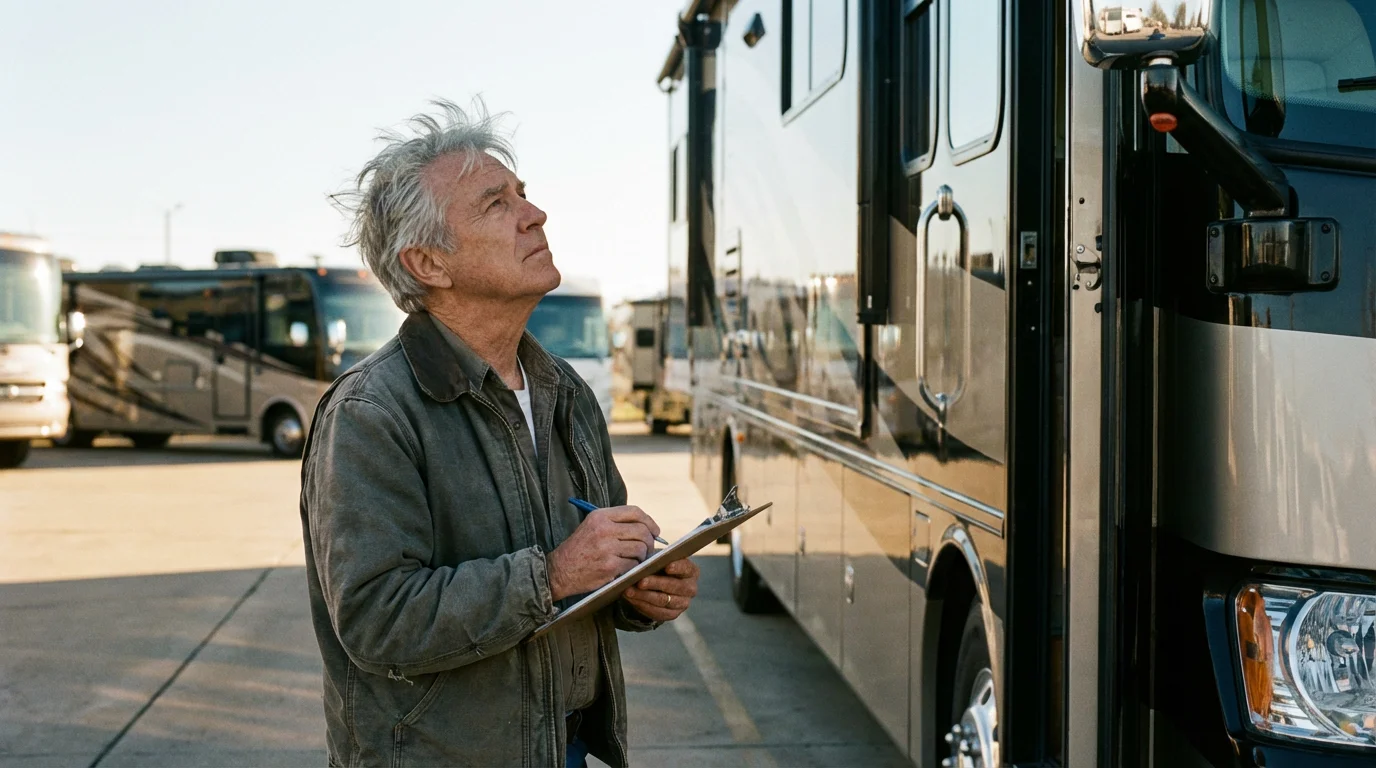
If buying a used RV, hire a certified RV inspector. They will check for water damage, mechanical issues, appliance functionality, and overall structural integrity. A pre-purchase inspection is a non-negotiable step to protect your investment.
- Arrange Financing and Insurance:
Secure financing if needed and obtain insurance quotes before finalizing your purchase. RV insurance differs from car insurance and protects your home on wheels. Understand your coverage options for comprehensive protection against accidents, theft, and damage.
- Negotiate and Purchase:
Be prepared to negotiate the price and terms. Once you reach an agreement, review all paperwork carefully before signing. Understand the warranty, service agreements, and any additional fees. Celebrate your new adventure vehicle!
Budgeting for Your RV Adventure
A well-planned budget empowers you to enjoy your RV adventures without financial stress. Beyond the initial RV buying cost, several ongoing expenses require careful consideration. Understanding these costs helps you manage your finances effectively.
Initial Purchase and Depreciation
The price of your RV varies greatly by type, size, and amenities. New RVs generally range from $15,000 for small travel trailers to over $500,000 for luxury Class A motorhomes. Remember that RVs, like cars, depreciate in value, especially in the first few years.
Used RVs offer a way to mitigate depreciation. A meticulously maintained used senior RV can provide excellent value and comfort for a fraction of the new price. Always factor in potential repair costs when considering a used model.
Ongoing Operating Costs
- Fuel: RVs, especially larger motorhomes, consume significant amounts of fuel. Plan for higher fuel costs compared to a passenger car. Diesel engines often provide better fuel economy but cost more at the pump.
- Insurance: RV insurance protects your vehicle and your liability. Premiums vary based on RV type, usage, and your driving record. Obtain multiple quotes to find the best coverage for your needs.
- Maintenance and Repairs: Regular maintenance, including engine service, tire checks, and appliance upkeep, keeps your RV running smoothly. Set aside a contingency fund for unexpected repairs.
- Registration and Taxes: Annual registration fees and property taxes apply, varying by state. Factor these into your yearly budget.
- Storage: If you do not have space at home, you will need to pay for RV storage during periods of non-use. Rates differ based on location and storage type.
Travel Expenses
- Campground Fees: Overnight stays at campgrounds range from free boondocking on public lands to over $100 per night for luxury resorts. Many national parks offer senior discounts for camping. You can find options on Recreation.gov.
- Food and Supplies: Budget for groceries, dining out, and other essential supplies. An RV kitchen allows you to cook your own meals, significantly reducing food costs.
- Excursions and Activities: Allocate funds for national park entrance fees, museum visits, tours, and other activities. Many attractions offer senior discounts, so always inquire. Explore America’s beautiful natural spaces through the National Park Service.

Embracing the RV Lifestyle: Tips for the Road
Once you have chosen your ideal RV, the real adventure begins. Embracing the RV lifestyle involves learning new skills, connecting with fellow travelers, and preparing for life on the road. These practical tips will help you transition smoothly into your new mobile way of life.
To truly enjoy the trails and parks you visit, consider building stamina for outdoor adventures through light exercise before your trip.
Packing Essentials for Your RV
Efficient packing maximizes your space and ensures you have everything you need. Focus on multi-purpose items and avoid over-packing. Here is a starter list of RV essentials:
- Kitchen: Lightweight dishes, basic cooking utensils, nesting pots/pans, storage containers, coffee maker, essential spices.
- Linens: Sheets, pillows, towels, blankets suitable for varying climates.
- Bathroom: Biodegradable toilet paper, quick-dry towels, personal toiletries, cleaning supplies.
- Tools & Maintenance: Basic tool kit, duct tape, zip ties, tire pressure gauge, spare fuses, jumper cables.
- Outdoor Gear: Camp chairs, portable table, awning mat, bug spray, sunscreen, flashlight/headlamp.
- Safety: First-aid kit, fire extinguisher, roadside assistance membership, emergency contact list.
- Utilities: Water hose with filter, electrical adapters, sewer hose, leveling blocks, disposable gloves.
Safety on the Road and at Camp
Prioritize safety, whether driving or parked. Conduct pre-trip inspections of your RV, checking tires, fluid levels, and lights. Drive defensively, allowing extra stopping distance due to the RV’s weight. Utilize mirrors and backup cameras effectively, especially when parking. For further safety guidance when traveling, the CDC Travelers’ Health provides comprehensive resources.
At the campsite, secure your RV, lock doors, and be aware of your surroundings. Understand campground rules and respect fellow campers. Proper setup of utilities and leveling ensures a safe and comfortable stay. Always ensure your propane tanks are turned off when driving and when leaving the RV unattended for extended periods.
Connecting with Nature and Community
RVing offers unparalleled access to nature. Use your senior RV to explore national parks, forests, and scenic byways. Participate in guided hikes or ranger programs offered by the National Park Service. The National Forest Foundation also offers opportunities to engage with nature in national forests.
Engage with the vibrant RV community. Attend rallies, join online forums, or simply strike up conversations with neighbors at your campsite. You will find a welcoming network of individuals eager to share tips, stories, and companionship. These connections enrich your travels immeasurably.
Frequently Asked Questions
What is the best type of RV for a senior couple?
For a senior couple, Class B and Class C motorhomes offer excellent balance. Class B RVs provide nimble driving and easy parking, ideal for spontaneous trips. Class C RVs give you more living space and amenities without the intimidating size of a Class A. Travel trailers also offer great flexibility and can be tailored to various budgets and needs, allowing you to unhitch your vehicle at the destination.
Are RVs difficult for seniors to drive?
The difficulty of driving an RV depends on its type and your prior experience. Class B motorhomes drive much like large vans, making them the easiest. Class C RVs feel similar to driving a large truck. Class A motorhomes and large towable RVs (fifth-wheels, larger travel trailers) require more practice and confidence. Many seniors adapt quickly, and modern RVs often include features like backup cameras and cruise control to assist drivers. Consider taking an RV driving course.
How much does it cost to maintain a senior RV annually?
Annual RV maintenance costs vary widely based on the RV’s type, age, and usage. A general estimate ranges from $500 to $2,000 per year for routine service, fluid changes, tire rotation, and minor repairs. Older RVs or those with extensive use may incur higher costs. Setting aside a contingency fund, perhaps 1% of the RV’s purchase price annually, is a wise practice for unexpected repairs. Regular preventative maintenance helps minimize larger expenses.
Can I live in an RV full-time as a senior?
Yes, many seniors choose to live in an RV full-time, a lifestyle often called “full-timing.” This offers incredible freedom and potentially lower living costs than a traditional home. You need to plan for mail, healthcare, domicile, and budgeting for continuous travel expenses. Research different full-time RV communities and resources to learn more about this fulfilling lifestyle before making the leap. It is a rewarding way to see the country.
What safety features should I prioritize in a senior RV?
Prioritize safety features that enhance both driving and living comfort. Look for backup cameras, tire pressure monitoring systems, anti-lock brakes, and electronic stability control. Inside, ensure you have working smoke, carbon monoxide, and propane detectors. Accessible grab bars, well-lit interiors, and secure entry systems also significantly contribute to a safe senior RV experience. These elements provide peace of mind on your travels.
Choosing the right RV empowers you to embrace a life of exploration and adventure, customized to your comfort and preferences. Take your time, do your research, and prioritize what truly matters to you. Your next great journey awaits, offering new landscapes, vibrant communities, and cherished memories around every bend.
Disclaimer: This article is for informational purposes only. Travel conditions, accessibility, and requirements change frequently. We encourage readers to verify current information with official sources before traveling. Always consult with healthcare providers about travel considerations for your specific health situation.


Leave a Reply