
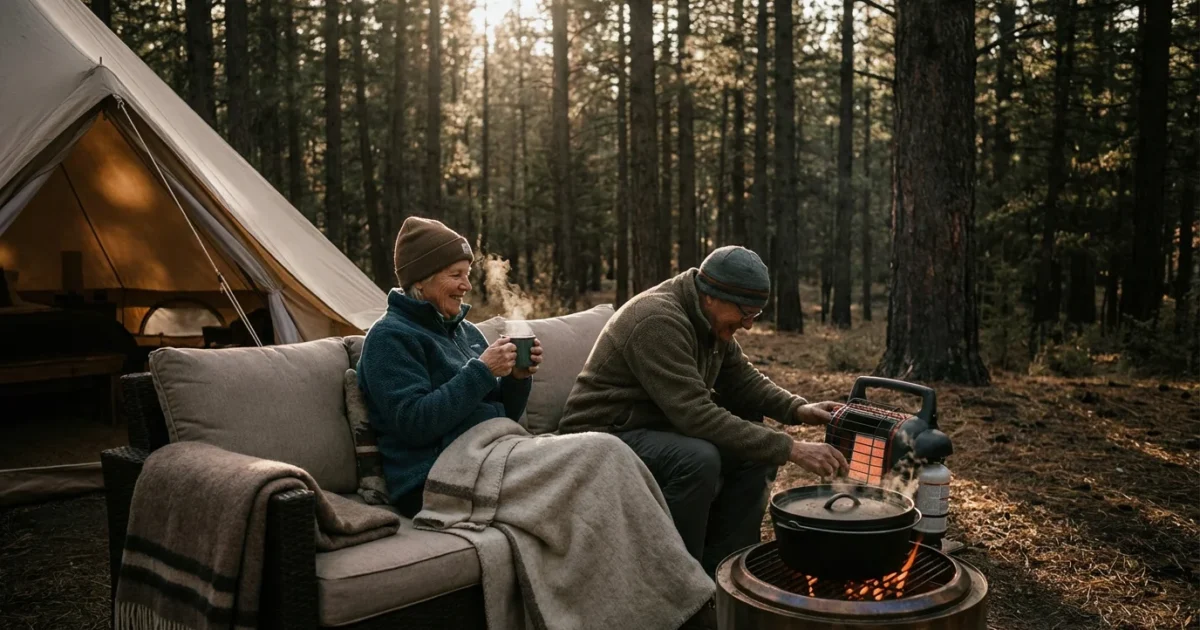
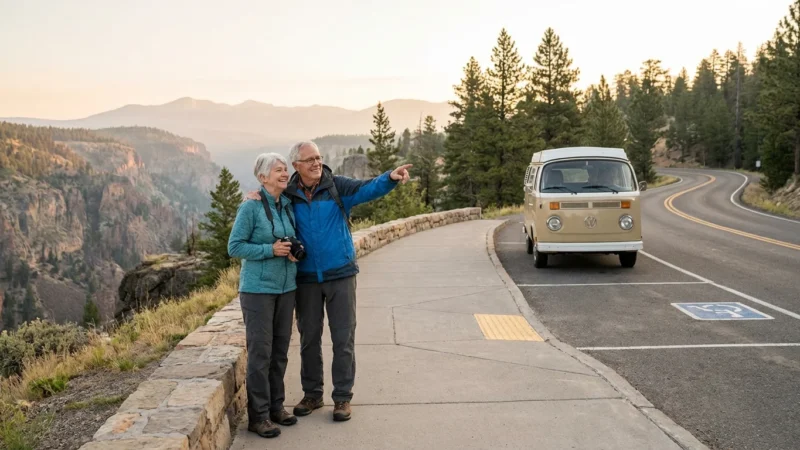
The call of the wild echoes regardless of age. For many active Americans aged 55 and beyond, camping offers an unparalleled opportunity to connect with nature, create lasting memories, and embrace the freedom of the open road. You might recall camping adventures from your youth, or perhaps you are discovering this joy for the first time. Regardless of your experience level, comfortable camping is entirely achievable for seniors. You just need the right approach, appropriate gear, and a sprinkle of adventurous spirit.
This comprehensive guide helps you rediscover or embark on your camping journey with confidence and ease. We cover everything from planning your trip to choosing the best camping gear, ensuring your outdoor experience is relaxing, enjoyable, and safe. Prepare to explore the great outdoors on your terms.
Table of Contents
- Why Camping Remains a Great Adventure for Seniors
- Planning Your Perfect Comfortable Camping Trip
- Essential Gear for Comfortable Senior Camping
- Setting Up Camp with Ease and Safety
- Staying Active and Enjoying Nature
- Nutrition and Hydration in the Outdoors
- Health, Safety, and Emergency Preparedness
- Budget-Friendly Camping Adventures
- Frequently Asked Questions
- Embrace Your Next Outdoor Chapter
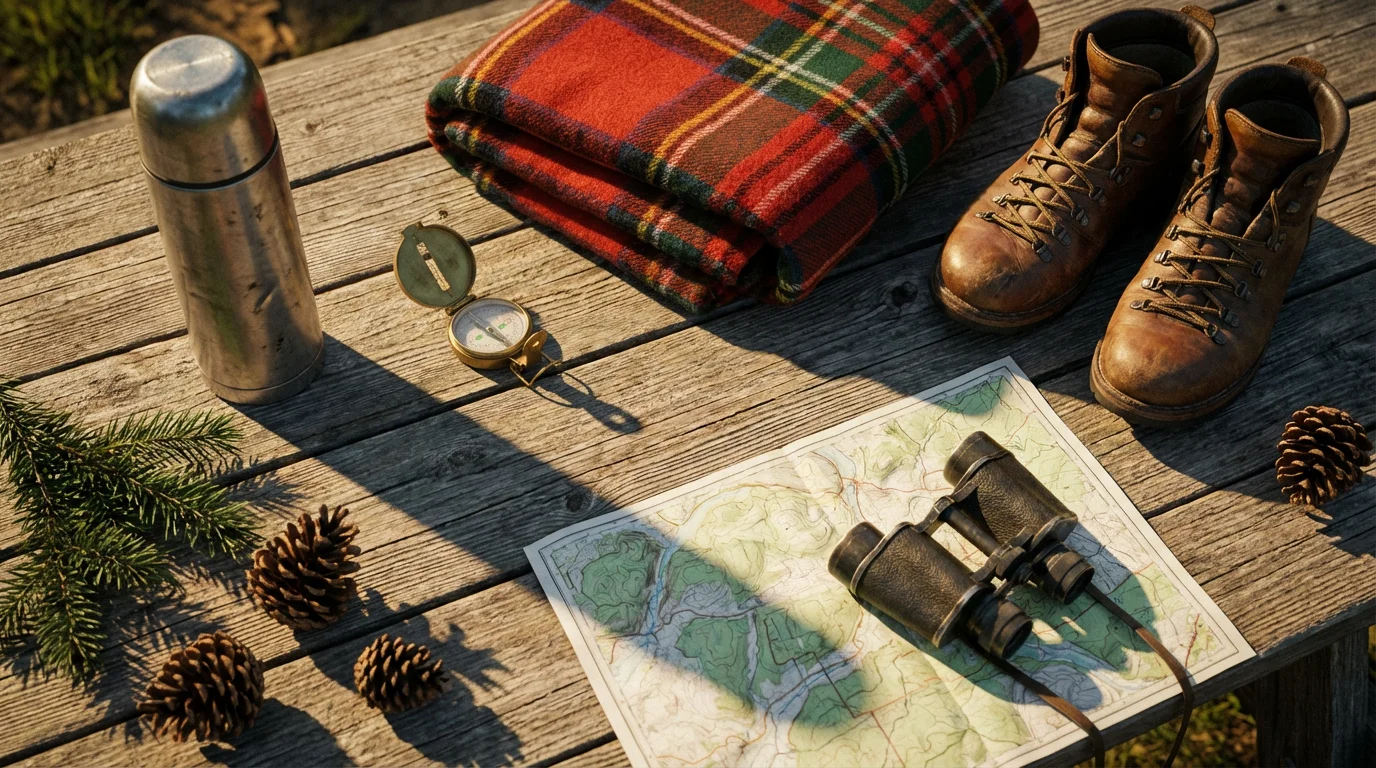
Why Camping Remains a Great Adventure for Seniors
Camping offers a unique blend of tranquility and adventure, making it an ideal activity for seniors. You connect directly with nature, breathing fresh air and enjoying starry nights. This connection reduces stress and promotes mental well-being, enhancing your overall quality of life.
Physical activity, even moderate, supports healthy aging. Camping naturally encourages gentle walks, setting up camp, and exploring trails. You can tailor these activities to your comfort level, ensuring an active yet manageable experience.
Camping also strengthens social bonds. Whether you camp with a partner, friends, or a group, shared experiences in nature build deeper connections. Solo senior camping offers profound introspection and independence, proving adventure knows no age limit.
The world is a book and those who do not travel read only one page.
— Saint Augustine
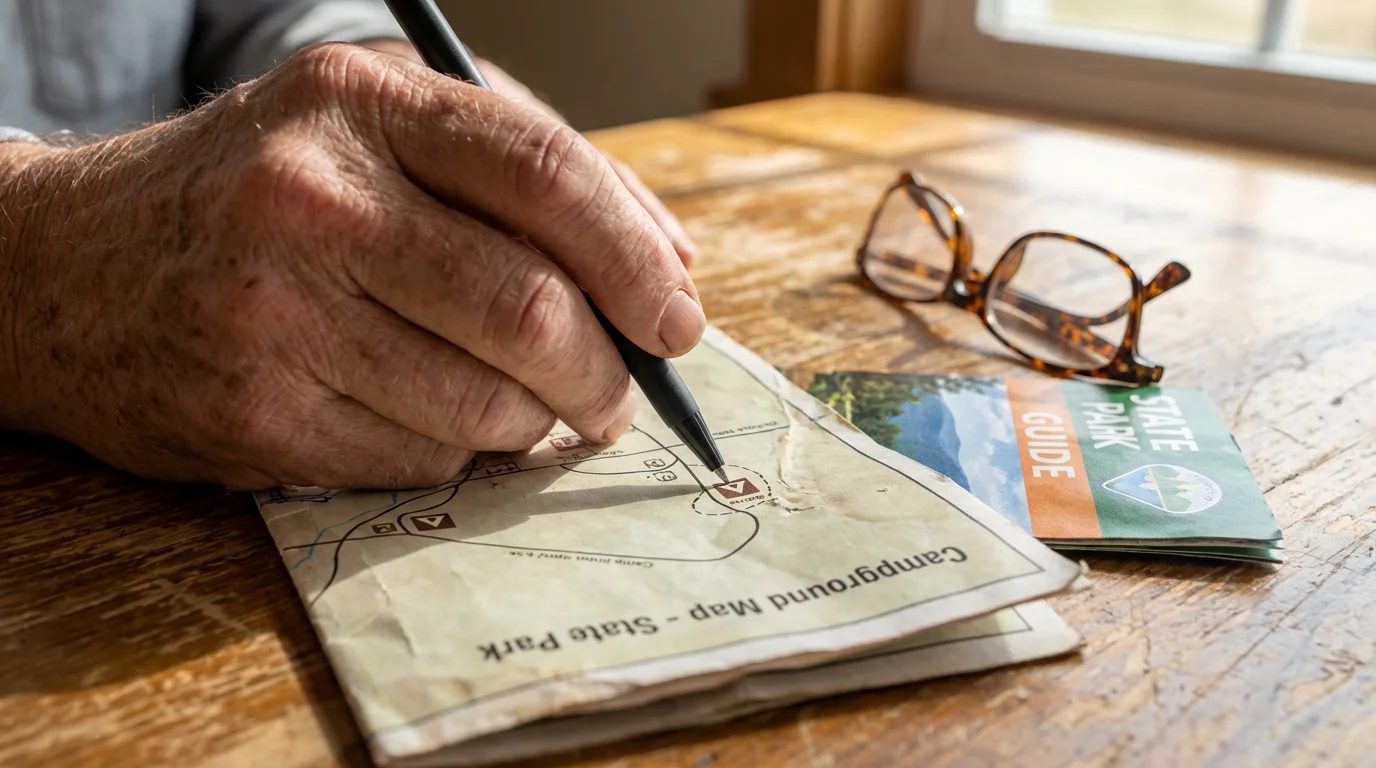
Planning Your Perfect Comfortable Camping Trip
Successful and comfortable camping starts with thorough planning. You want to choose the right destination, understand the amenities, and make necessary reservations well in advance. Consider your physical capabilities and preferences when selecting a location.
Choosing Your Destination
Prioritize campgrounds offering amenities that enhance your comfort. Look for sites with accessible restrooms, potable water, and level ground. Many state and national parks provide senior-friendly options, including paved paths and easy access to attractions.
Consider the type of camping experience you desire. Do you prefer a quiet, secluded spot or a more social environment? Research local attractions and activities to ensure your destination aligns with your interests.
Reservations and Timing
Popular campgrounds book quickly, especially during peak season. Make your reservations months ahead of time to secure your preferred spot. Many federal campgrounds use Recreation.gov for bookings, making the process straightforward.
Consider camping during the shoulder seasons, spring or fall, to avoid extreme temperatures and large crowds. You often find more availability and pleasant weather, which significantly contributes to a comfortable camping experience.
Researching Amenities and Accessibility
Thoroughly research the campground’s facilities. Confirm the availability of flush toilets, hot showers, and electricity if you need it for medical devices or comfort items. Check reviews from other senior campers for insights into accessibility and overall comfort.
The National Park Service website provides detailed information on park facilities and accessibility. You can often filter results to find campsites that best meet your specific needs.
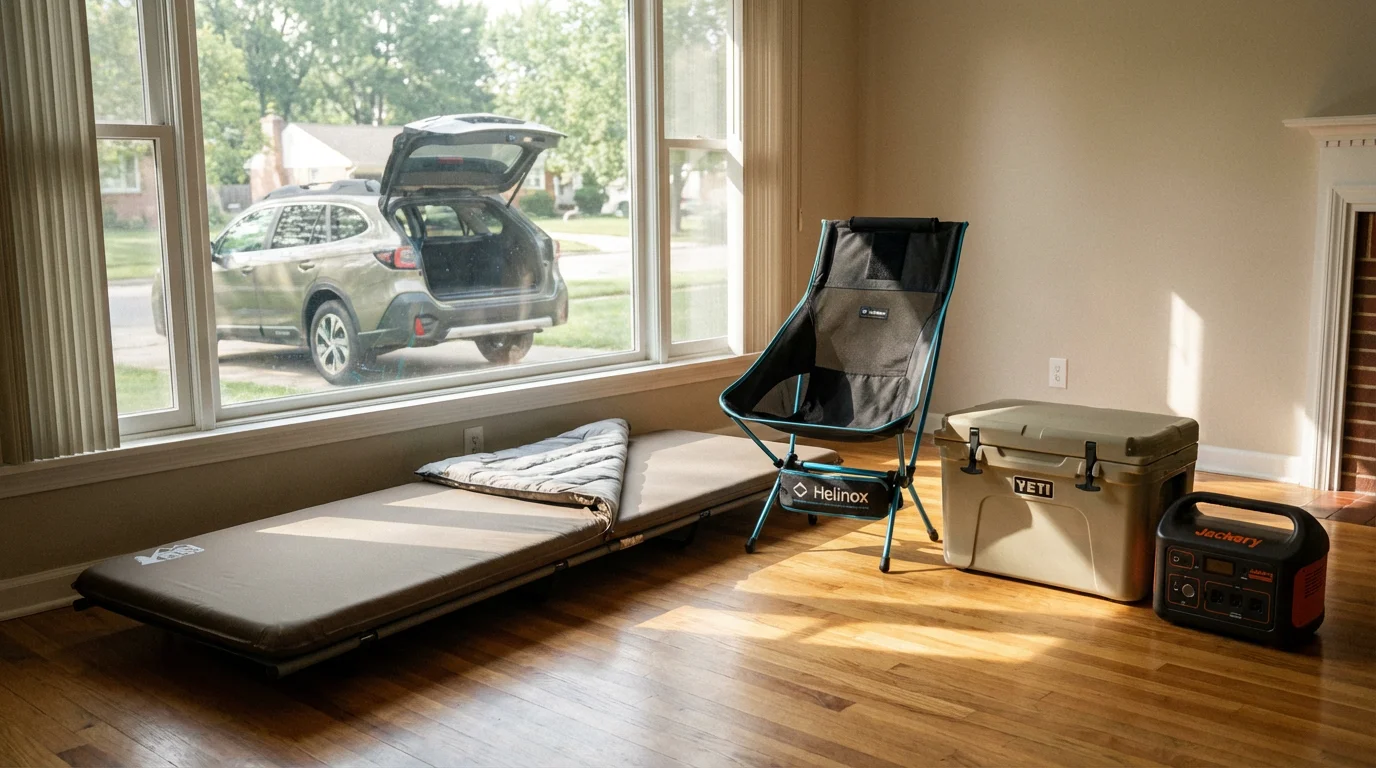
Essential Gear for Comfortable Senior Camping
The right camping gear transforms your outdoor adventure from tolerable to truly comfortable. Focus on items that prioritize ease of use, ergonomic design, and durability. Investing in quality gear pays off in long-term comfort and enjoyment for senior camping.
Using an essential RV checklist before you depart ensures that your vehicle is safe and you haven’t forgotten any critical comfort items.
For those who choose a home on wheels, making accessibility modifications for senior comfort can significantly improve your daily routine at the campsite.
Sleeping Systems for Restful Nights
A good night’s sleep is paramount for energy and enjoyment. Your sleeping system deserves careful consideration. Forget thin sleeping pads; prioritize thick, supportive options or even a proper cot.
Comparison of Sleeping Options for Senior Campers
| Sleeping Option | Pros | Cons | Best For |
|---|---|---|---|
| Air Mattress | Adjustable firmness, familiar feel, compact when deflated. | Requires pump, can puncture, may lose air in cold. | Car campers wanting home-like comfort, couples. |
| Camping Cot | Off the ground (easier getting up), firm support, good airflow. | Bulkier, heavier, can be less insulated from below. | Campers with mobility concerns, those seeking firm support. |
| Self-Inflating Pad (Thick) | Combines insulation and cushioning, easy setup, durable. | Less plush than air mattress, can be bulky. | Campers valuing balance of comfort, insulation, and portability. |
| RVs/Cabins Beds | Maximum comfort, weather protection, privacy, existing amenities. | Less “true camping” feel, higher cost (RV), limited availability (cabins). | Those prioritizing ultimate comfort, accessibility, and convenience. |
Pair your chosen sleeping surface with a warm, comfortable sleeping bag. Consider a rectangular bag for more room to move, or a quilt for adaptable warmth. Bring your favorite pillow from home for added familiarity and comfort.
Always check the temperature rating of your sleeping bag. Choose one rated for temperatures lower than you expect to encounter, ensuring you stay warm and cozy through the night.
Shelter Options: Tents, RVs, and Cabins
Your shelter provides protection and privacy. The ideal choice depends on your comfort preferences, group size, and desired level of outdoor immersion.
Tent Considerations for Senior Campers
- Stand-Up Height: Choose a tent you can stand up in completely. This makes changing clothes and moving around much easier on your back and knees.
- Easy Setup: Look for tents with color-coded poles, simple clip attachments, or inflatable designs. Avoid complex multi-pole setups. Pop-up tents offer quick setup but may lack space.
- Spaciousness: Opt for a tent rated for more people than you plan to house. A 4-person tent for two provides ample space for gear and movement.
- Multiple Doors: Tents with two doors prevent climbing over your camping partner during the night. They also improve ventilation.
- Vestibules: These covered areas outside the tent door offer storage for muddy boots or wet gear, keeping your sleeping area clean and dry.
RVs and camping cabins offer maximum comfort and accessibility. RVs provide a home on wheels, complete with kitchens, bathrooms, and beds. Cabins offer a fixed, weather-proof structure with many home-like amenities. These options are excellent for extended trips or for those who prefer more creature comforts.
Camp Kitchen and Dining Essentials
Enjoying delicious, easy-to-prepare meals enhances your camping trip. Equip your kitchen for convenience and efficiency.
- Propane Camp Stove: A two-burner stove offers flexibility for cooking multiple dishes simultaneously.
- Cooler with Wheels: A sturdy cooler keeps food fresh and is easy to transport. Opt for one with good insulation to minimize ice refills.
- Folding Table and Chairs: A dedicated dining area enhances comfort. Choose chairs with armrests for easier getting up.
- Durable Cookware and Utensils: Pack lightweight, non-stick pots and pans. Bring a sharp knife, cutting board, and essential cooking tools.
- Water Filter or Purifier: Ensure access to safe drinking water, especially if you are camping in remote areas.
- Coffee Maker: Do not sacrifice your morning ritual. A simple percolator or pour-over system works wonders.
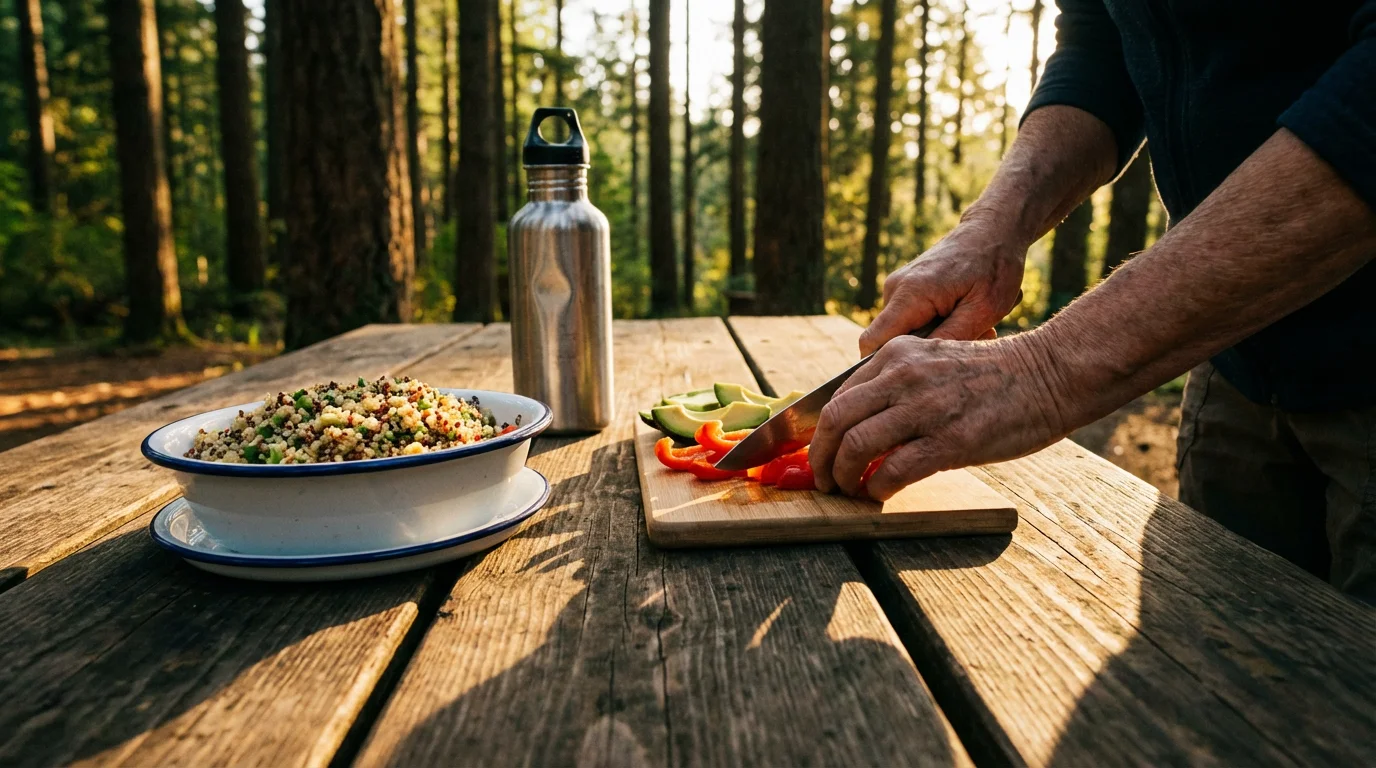
Pre-plan your meals and do as much food preparation at home as possible. Chop vegetables, pre-cook meats, and mix dry ingredients to save time and effort at the campsite.
Personal Comfort and Accessibility Items
These items make a significant difference in your overall comfort and enjoyment during your senior camping adventure.
- Portable Commode or Urinal: For middle-of-the-night needs, a discreet commode near your tent saves trips to the public restroom.
- Walking Poles: Provide stability on uneven terrain and reduce strain on your knees during hikes.
- Headlamp or Lantern: Essential for navigating camp after dark, reading, and finding items in your tent.
- Portable Power Station: Charge phones, medical devices, and other small electronics.
- Camp Rug or Mat: Place this outside your tent to reduce tracked-in dirt and provide a clean surface for shoes.
- Comfortable Camp Chairs: Invest in chairs that offer good back support and are easy to get in and out of.
- Heated Blanket or Buddy Heater: For chilly nights, these items offer localized warmth inside your tent or RV.
Setting Up Camp with Ease and Safety
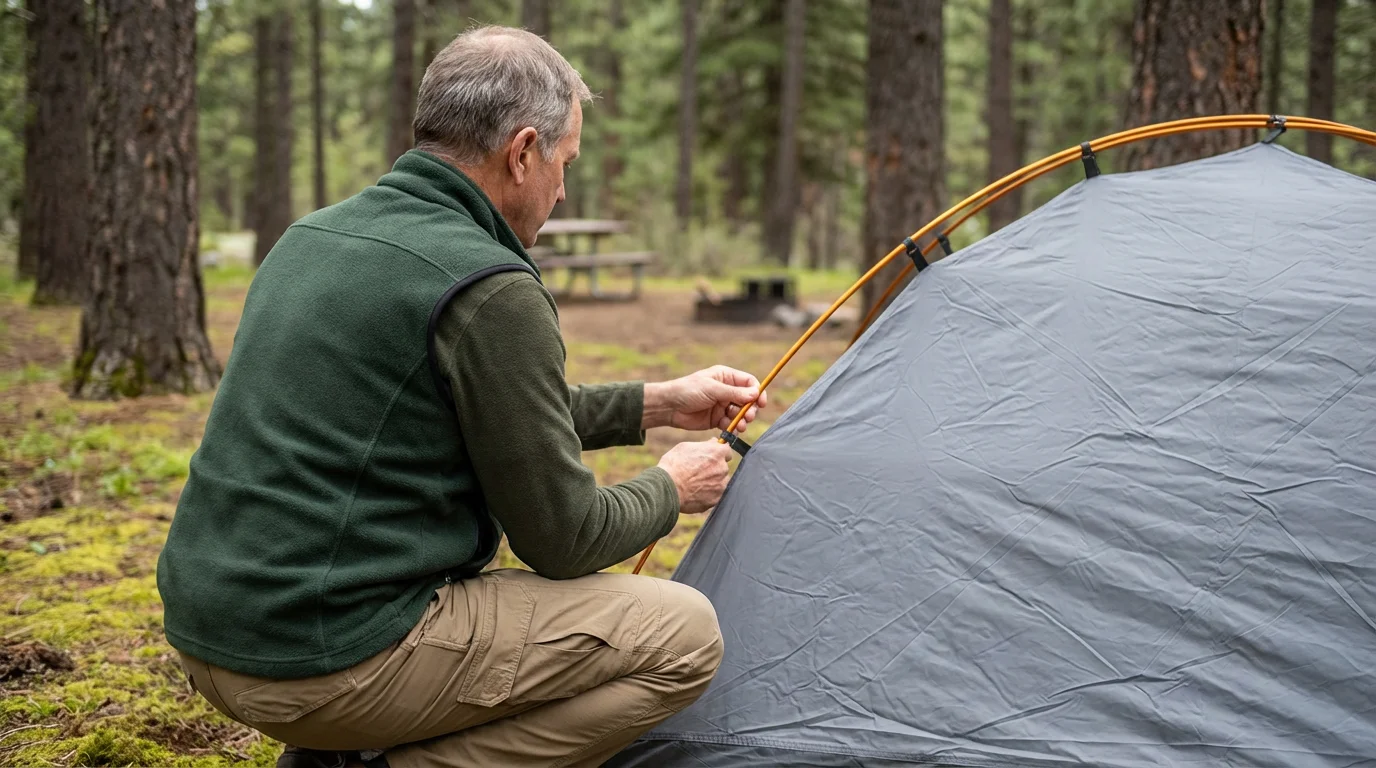
Setting up your campsite should be a smooth, enjoyable process. Strategic planning and a few practical tips make it significantly easier.
Choosing Your Campsite
Select a level spot for your tent or RV to ensure comfortable sleeping and stability. Avoid setting up in low-lying areas that might collect water during rain. Look for natural shade to keep your camp cool during the day.
Consider proximity to restrooms and water sources, balancing convenience with privacy. Observe the wind direction and position your fire pit safely downwind from your tent.
Efficient Setup Techniques
Work together if you are camping with a partner. Divide tasks to conserve energy. For instance, one person can set up the tent while the other organizes the kitchen area.
Use a checklist to ensure you do not forget any essential steps or items. Keep frequently used items accessible rather than buried in storage bins. This prevents unnecessary bending and searching.
Safety First
Illuminate your campsite adequately with lanterns and headlamps. Clear pathways around your tent and cooking area to prevent trips and falls. Secure all loose items to prevent them from blowing away in the wind.
Familiarize yourself with the campground rules regarding campfires. Keep a bucket of water or a fire extinguisher nearby at all times. Never leave a campfire unattended.

Staying Active and Enjoying Nature
Camping encourages you to explore and stay active. You can tailor activities to your energy levels and physical abilities, ensuring an enjoyable experience for all senior campers.
Accessible Activities
- Gentle Walks: Explore easy, paved, or well-maintained trails around your campsite. Many state and national parks offer interpretive walks suitable for all mobility levels.
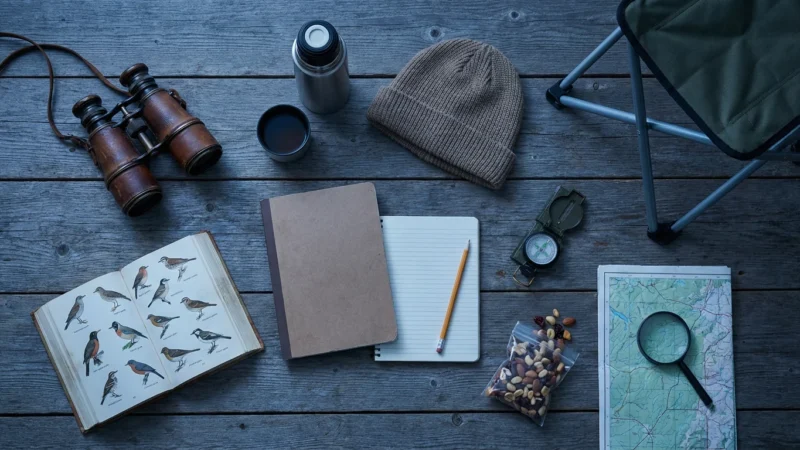
- Bird Watching: Bring binoculars and a field guide. Observe local birdlife from your campsite or on short, leisurely strolls.
- Photography: Capture the beauty of your surroundings. Photography encourages you to slow down and notice details you might otherwise miss.
- Reading and Journaling: Find a peaceful spot and immerse yourself in a book or document your adventures.
- Stargazing: Away from city lights, the night sky comes alive. Download a stargazing app to identify constellations and planets.
Connecting with Fellow Campers
Engage with other campers. Share stories around the campfire or offer help if needed. Many campgrounds foster a friendly, community atmosphere. This interaction enriches your senior camping experience and helps build new friendships.
Nutrition and Hydration in the Outdoors
Maintaining good nutrition and hydration is vital for energy and well-being during your camping trip. Easy, nutritious meals and consistent fluid intake keep you feeling your best.
Simple, Nutritious Camp Meals
- Breakfast: Oatmeal with fruit and nuts, pre-made breakfast burritos, or scrambled eggs with pre-chopped vegetables.
- Lunch: Sandwiches, wraps, salads (pre-washed greens), or instant soups.
- Dinner: One-pot pasta dishes, foil packet meals cooked over the fire, or grilled proteins with pre-cut veggies.
- Snacks: Trail mix, energy bars, fresh fruit, string cheese, and jerky provide quick boosts of energy.
Avoid excessive sugar and processed foods. Focus on whole foods that provide sustained energy. Remember to pack any dietary supplements or specific foods you require.
Staying Hydrated
Drink water consistently throughout the day, even if you do not feel thirsty. Dehydration can lead to fatigue, headaches, and other health issues. Carry a reusable water bottle and refill it frequently.
Consider bringing electrolyte drinks, especially during warmer weather or after strenuous activity. Monitor your intake and pay attention to signs of dehydration.
Health, Safety, and Emergency Preparedness
Prioritizing your health and safety ensures a worry-free and comfortable camping trip. Being prepared for common outdoor scenarios gives you peace of mind.
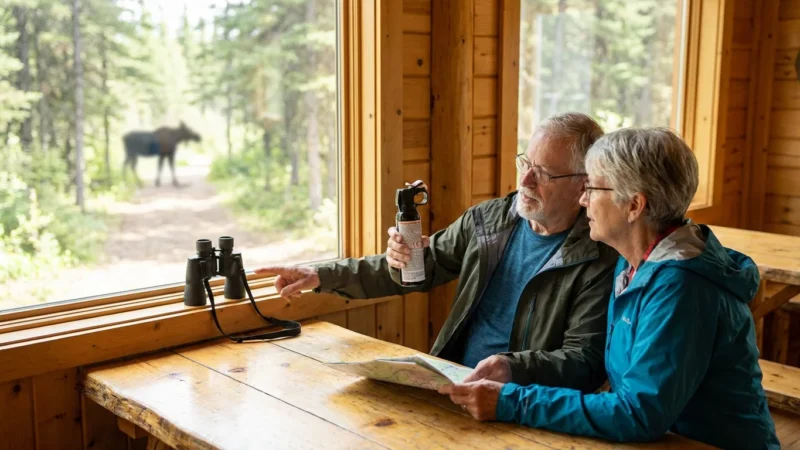
It is also vital to review safety tips for avoiding wildlife encounters to ensure your presence in nature is respectful and safe.
Before you leave, consider whether you need adventure travel insurance for seniors to cover potential medical emergencies or trip interruptions.
Medical Preparedness
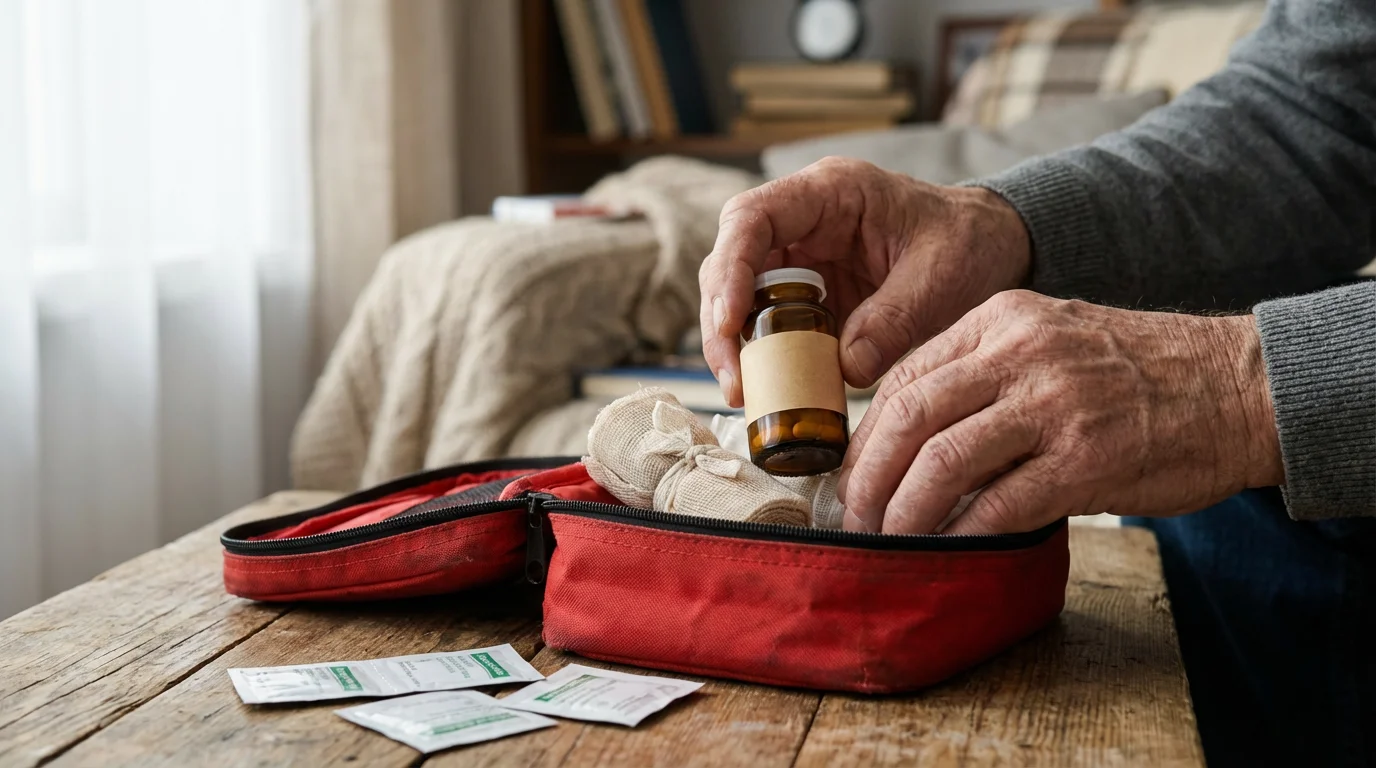
Pack all prescription medications in clearly labeled containers and keep them easily accessible. Bring extra doses for unexpected delays. Carry a copy of your prescriptions and your doctor’s contact information.
Assemble a comprehensive first-aid kit. Include items for cuts, scrapes, blisters, insect bites, and minor aches. Consider adding an emergency whistle and a multi-tool. You can find excellent guidelines on general travel health from the CDC Travelers’ Health website.
Understanding Your Limits
Listen to your body. Do not overexert yourself with activities that are too strenuous. Plan rest breaks throughout the day. It is acceptable to change plans if you feel fatigued or unwell. Your comfort and safety take precedence.
Emergency Communication
Inform someone of your itinerary and expected return time, especially if you plan to explore remote areas. Cell service can be unreliable in many wilderness areas. Consider bringing a satellite messenger or a personal locator beacon for true emergencies.
Know the location of the nearest ranger station or emergency services. Familiarize yourself with emergency procedures specific to the park or campground. Most campgrounds post emergency contact numbers at their entrance.
Budget-Friendly Camping Adventures
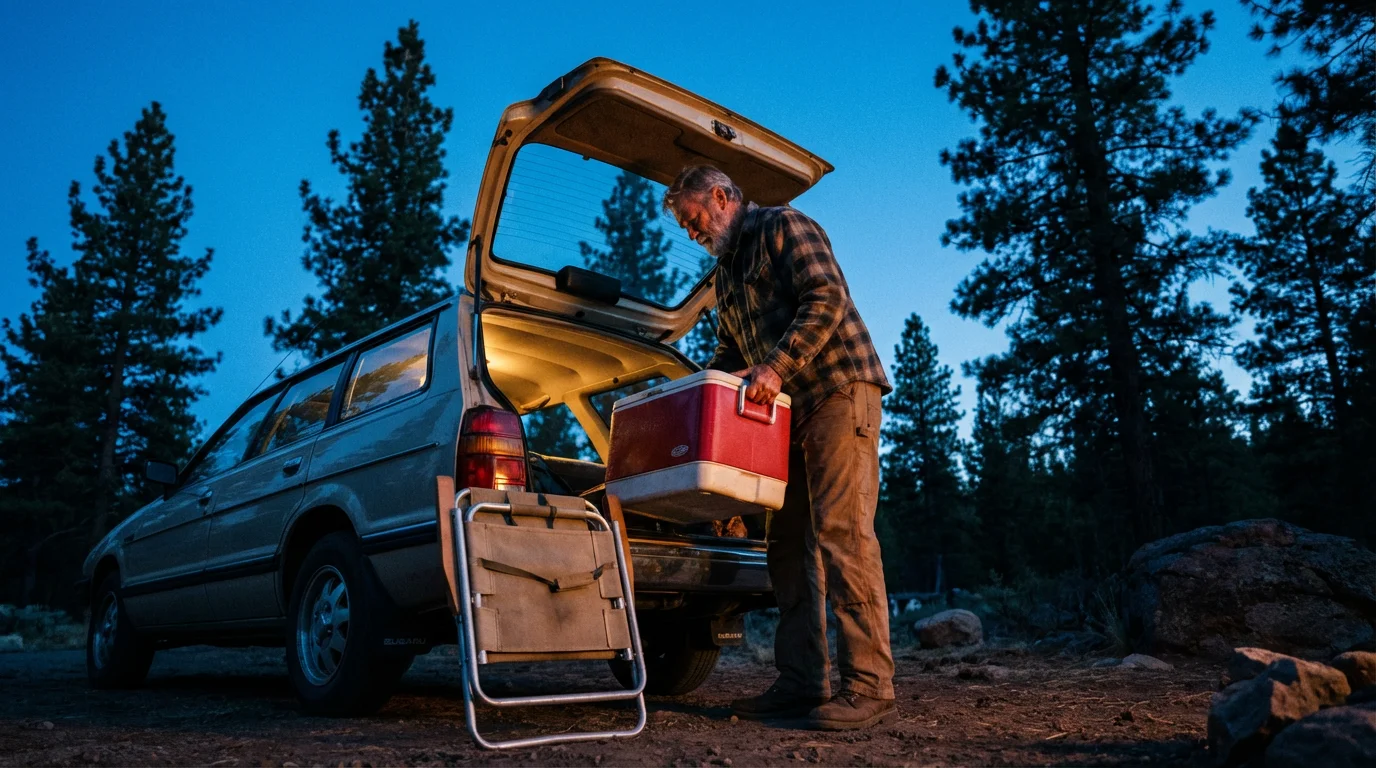
Camping can be an incredibly affordable way to travel, allowing you to stretch your retirement dollars further. Smart planning helps you enjoy the outdoors without breaking the bank.
Camping is a great start, but there are many other budget-friendly adventure vacations for retirees looking to explore the world without overspending.
Saving on Gear
You do not need to buy all new, top-of-the-line gear. Borrow from friends, rent equipment, or look for quality used items at consignment shops. Sales events offer opportunities to purchase gear at reduced prices.
Focus your budget on essential comfort items first, such as a quality sleeping pad or tent. Many basic items, such as coolers and cooking utensils, you already own.
Campsite Fees and Discounts
National Parks and Federal Recreation Lands offer significant discounts for seniors. The America the Beautiful – National Parks & Federal Recreational Lands Senior Pass provides lifetime access and discounts on camping fees for US citizens or permanent residents 62 and over. It is an incredible value for frequent campers.
State parks also offer resident senior discounts. Always inquire about senior rates when making reservations. Consider primitive or dispersed camping for free options, but understand these sites offer no amenities.
Food and Activity Savings
Cooking your own meals at the campsite dramatically reduces food costs compared to eating out. Plan simple, cost-effective meals. Bring your own snacks and beverages to avoid overpriced convenience store purchases.
Many outdoor activities, such as hiking, bird watching, and stargazing, are free or low-cost. Take advantage of ranger-led programs or free educational talks offered at many parks.
Frequently Asked Questions
What is the most important piece of camping gear for seniors?
The most important piece of gear is a comfortable sleeping system. This includes a high-quality air mattress, a sturdy cot, or a thick self-inflating pad paired with a suitable sleeping bag. Ensuring restful sleep directly impacts your energy levels and overall enjoyment of the trip.
How can I make my tent more accessible for senior camping?
Choose a tent with stand-up height and multiple doors to allow for easy entry and exit. Use a low cot or a thick air mattress to make getting in and out of bed simpler. Place a small rug or mat just inside the door to keep the interior clean and provide a soft landing spot.
Are there special discounts for seniors at campgrounds?
Yes, many campgrounds offer senior discounts. The America the Beautiful – National Parks & Federal Recreational Lands Senior Pass provides lifetime access and camping discounts at federal recreation sites for US citizens or permanent residents aged 62 and over. State parks often have their own resident senior discount programs.
What kind of activities are suitable for seniors while camping?
Suitable activities include gentle walks on paved or well-maintained trails, bird watching, photography, reading, journaling, and stargazing. Many campgrounds also offer ranger-led programs that are informative and not overly strenuous. You can always tailor activities to your comfort level.
How do I manage medications and health concerns while camping?
Pack all prescription medications in clearly labeled containers with extra doses. Keep them accessible and protected from extreme temperatures. Carry a comprehensive first-aid kit and a copy of your prescriptions. Always inform your travel companions of any important medical conditions and know the nearest emergency services.
Is solo senior camping safe?
Solo senior camping can be very safe and rewarding with proper preparation. Inform someone of your itinerary, destination, and expected return time. Choose well-maintained campgrounds with good cell service or consider carrying a satellite messenger. Always trust your instincts and prioritize safety.
Embrace Your Next Outdoor Chapter
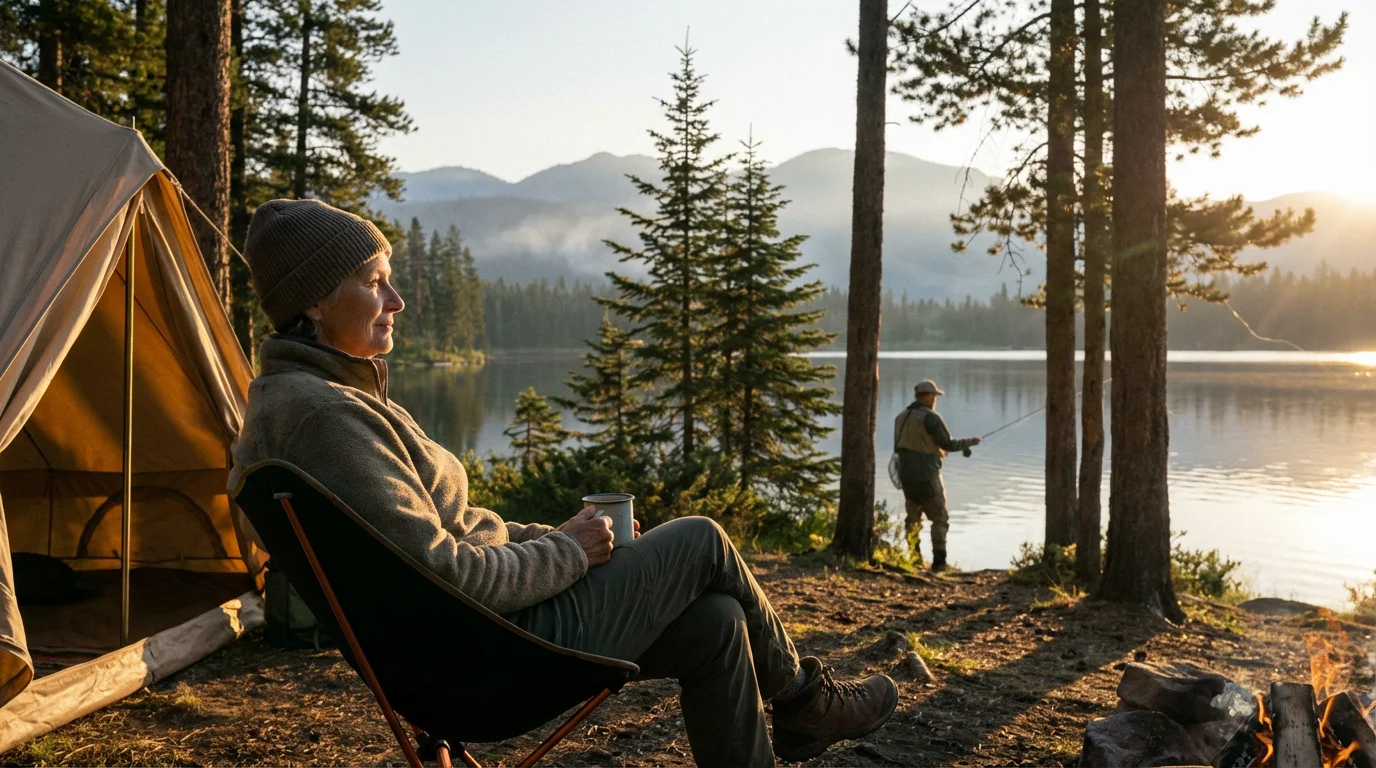
Camping offers an incredible pathway to rejuvenation and discovery, especially for seniors. You gain the freedom to explore at your own pace, connect with the natural world, and create cherished memories. By prioritizing comfort, thoughtful planning, and appropriate gear, you transform every outdoor excursion into a truly comfortable camping experience.
Do not let preconceived notions about age limit your adventures. The wilderness welcomes you with open arms, offering peace, challenge, and immense beauty. Pack your bags, plan your next trip, and step confidently into your next comfortable senior camping adventure. The great outdoors awaits your exploration.
Disclaimer: This article is for informational purposes only. Travel conditions, accessibility, and requirements change frequently. We encourage readers to verify current information with official sources before traveling. Always consult with healthcare providers about travel considerations for your specific health situation.
Leave a Reply