
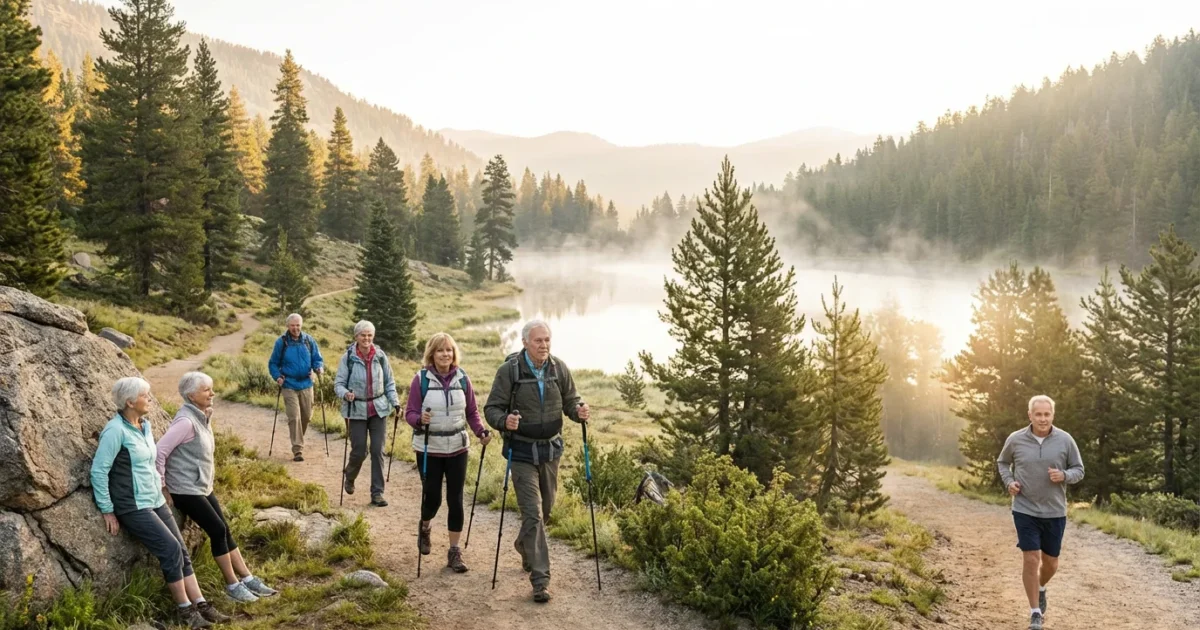
Embracing the call of the wild becomes even more rewarding as you gain life experience. Whether you dream of scaling a gentle peak, navigating a scenic kayak route, or simply enjoying longer, more vigorous hikes, building your physical stamina makes all the difference. This guide empowers you to enhance your fitness, ensuring your next outdoor adventure feels exhilarating and achievable.
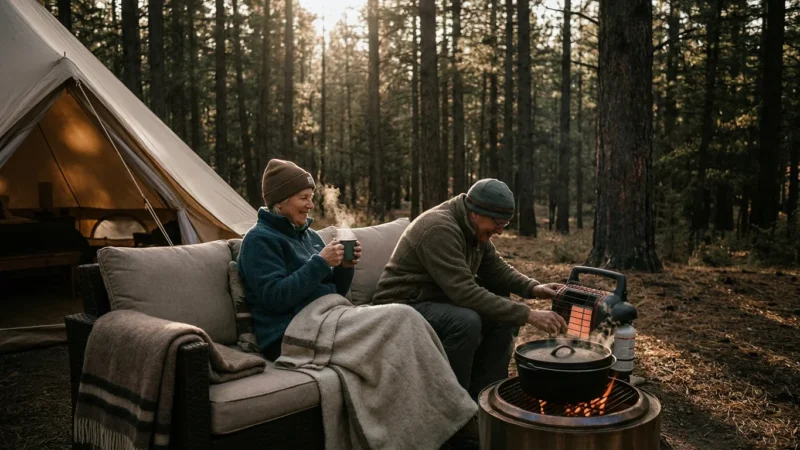
Once you have built your strength, you can further enhance your trips by camping comfortably in the heart of nature.
Your journey to greater endurance starts today. We provide practical, actionable advice for seniors looking to boost their `outdoor fitness` and fully enjoy every step of their explorations. Discover how focused `senior exercise` can transform your travel dreams into reality.
Table of Contents
- Why Stamina Matters for Your Adventures
- Assessing Your Current Fitness Level
- Cardiovascular Training: The Heart of Stamina
- Strength Training: Powering Your Progress
- Flexibility and Balance: Essential for Trail Safety
- Integrating Outdoor Fitness into Your Routine
- Nutrition and Hydration: Fueling Your Adventures
- Listen to Your Body: Preventing Overuse
- Sample Weekly Exercise Plan for Stamina Building
- Frequently Asked Questions
Why Stamina Matters for Your Adventures
Stamina is your body’s ability to sustain prolonged physical effort. For outdoor enthusiasts, this translates directly into longer hikes, more enjoyable sightseeing, and increased confidence on varied terrain. You manage unexpected challenges with greater ease when you possess robust `stamina building` capabilities.
Increased physical resilience also makes budget-friendly adventure vacations involving walking tours and active exploration much more accessible.
Strong stamina reduces fatigue, minimizes injury risk, and enhances your overall enjoyment of the natural world. Imagine reaching a breathtaking viewpoint without feeling completely exhausted. That is the power of a well-conditioned body ready for adventure.
“The world is a book and those who do not travel read only one page.” — Saint Augustine
Preparing your body allows you to read more chapters of that book. Invest in your physical well-being to unlock even richer travel experiences.

Assessing Your Current Fitness Level
Before embarking on any new exercise regimen, consult your healthcare provider. This crucial first step ensures your plan aligns with your current health status and any existing conditions. Your doctor can offer personalized advice for a safe and effective fitness journey.
Even if you are starting with physical limitations, there are many accessible adventures designed to accommodate seniors with various mobility levels.
As you prepare for more demanding physical activities, it is also wise to review adventure travel insurance for seniors to protect yourself against unexpected incidents.
Once cleared, objectively assess your current activity level. Can you walk for 30 minutes comfortably? Do stairs leave you breathless? Understanding your starting point helps you set realistic, achievable goals for `stamina building` and track your progress effectively.
Consider simple tests, such as timing how long you can walk a mile, or observing your breath during daily activities. This self-assessment provides a baseline. You then build your `senior exercise` program progressively from this foundation.
Cardiovascular Training: The Heart of Stamina
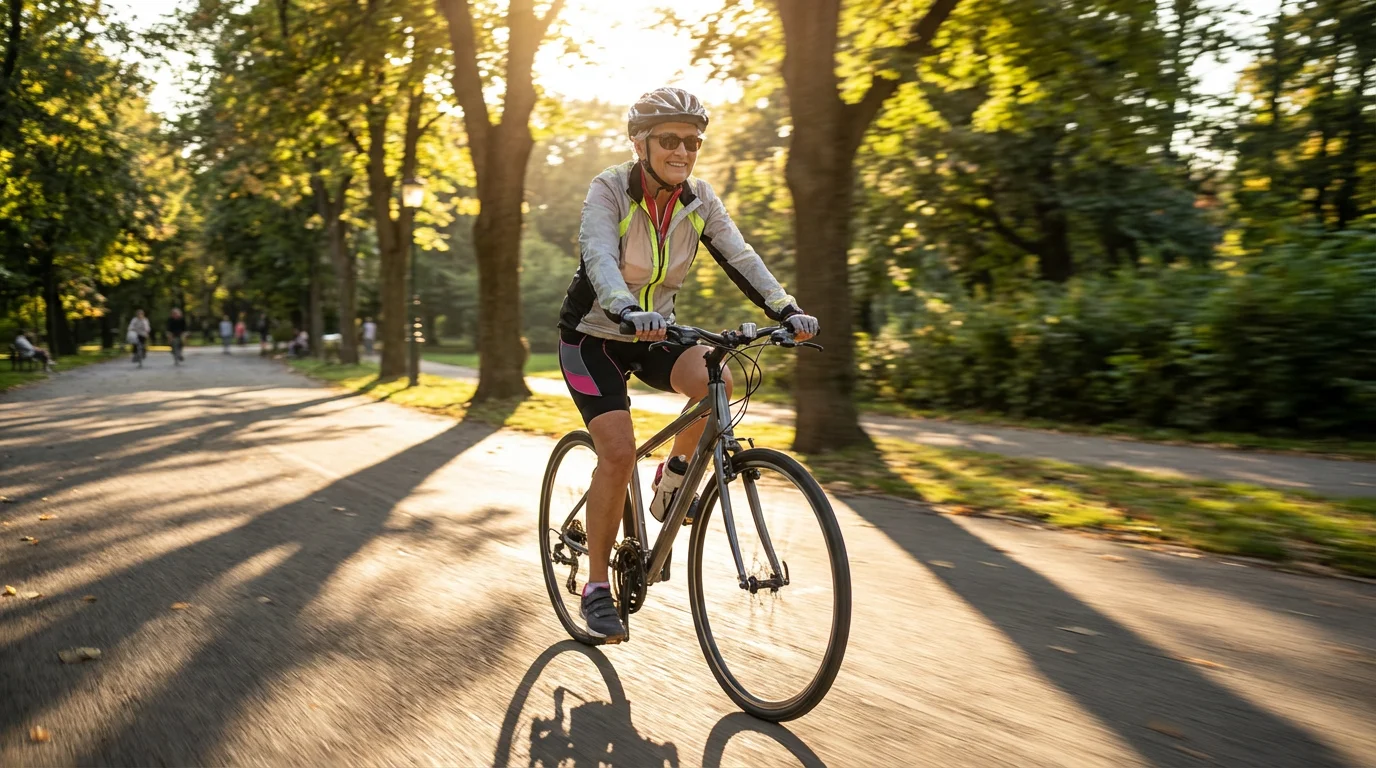
Cardio exercise strengthens your heart and lungs, improving oxygen delivery to your muscles. This directly impacts your endurance for activities like hiking, cycling, and kayaking. Aim for at least 150 minutes of moderate-intensity aerobic activity each week.
Break up your cardio sessions into manageable chunks. Even 10-minute bursts throughout the day contribute significantly to your `outdoor fitness`. Consistency proves more important than intense, sporadic workouts.
Effective cardiovascular exercises for `senior exercise` include:
- Brisk Walking: Accessible and highly effective. Gradually increase duration and speed.
- Swimming: A low-impact, full-body workout excellent for endurance.
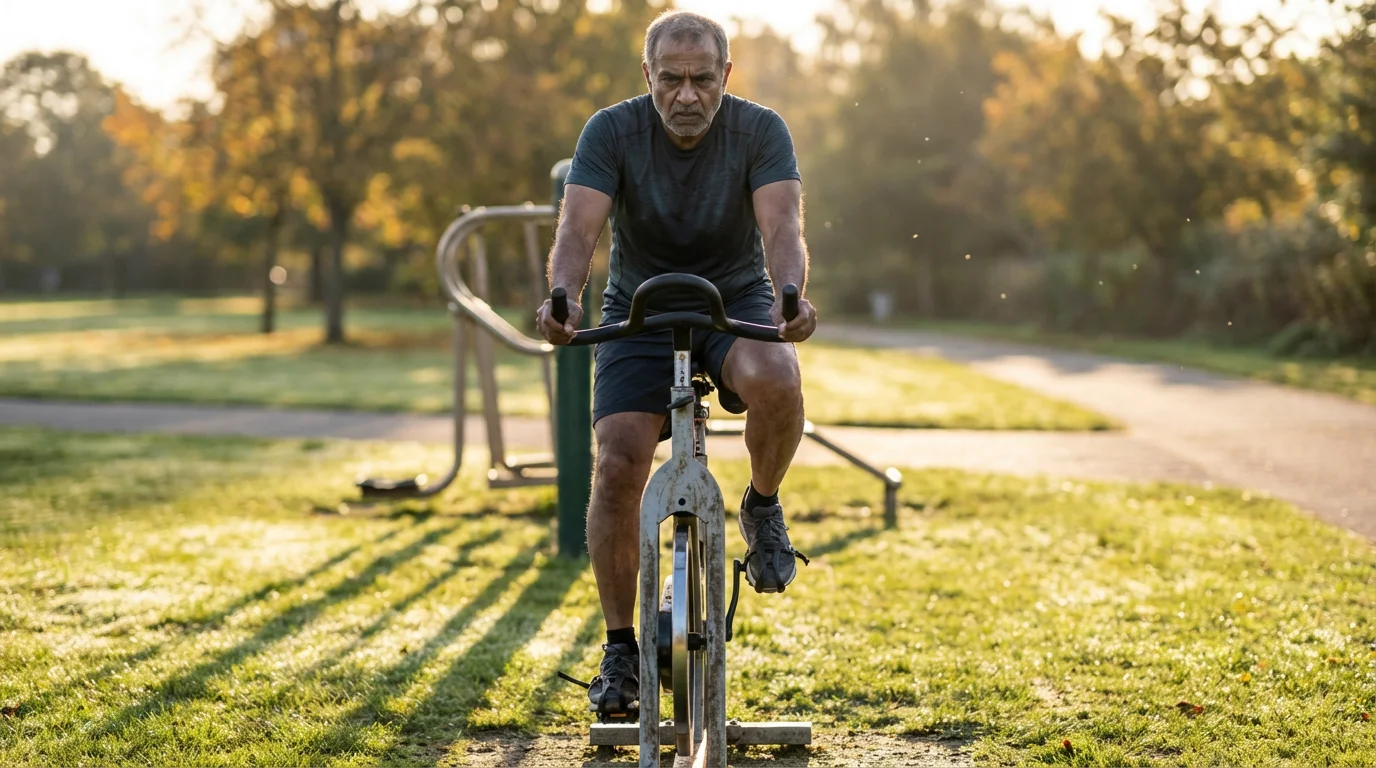
- Cycling: Stationary bikes offer a safe, controlled environment, while outdoor cycling provides scenic routes.
- Dancing: A fun way to get your heart rate up and improve coordination.
- Hiking: Mimics real-world adventure conditions. Start with flat trails and progress to inclines.
Varying your cardio routine keeps things interesting and works different muscle groups. This diverse approach ensures comprehensive `stamina building` for a range of outdoor challenges.
Strength Training: Powering Your Progress
Strong muscles support your joints, improve balance, and make carrying a daypack or navigating uneven terrain much easier. Incorporate strength training two to three times per week, allowing a rest day between sessions. This helps build muscle and improves your `outdoor fitness` significantly.
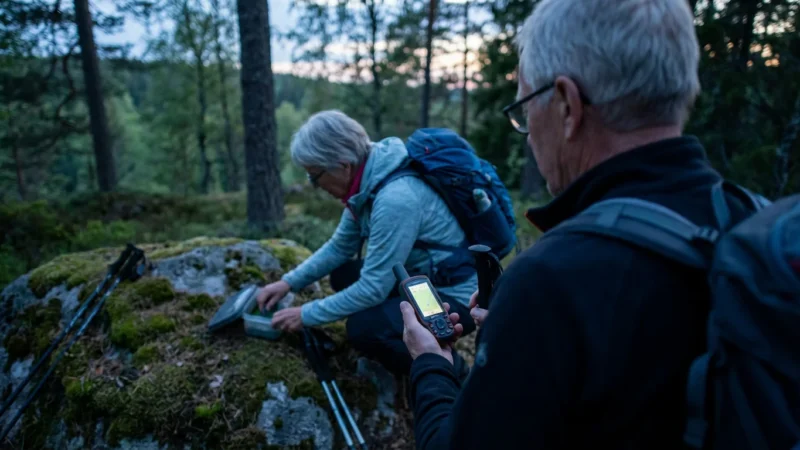
Building this functional strength allows you to participate in active hobbies like geocaching, which provides a fun mental and physical challenge.
Focus on compound movements that work multiple muscle groups simultaneously. Bodyweight exercises are an excellent starting point and require no special equipment. You can also use resistance bands or light weights as you progress.
Key strength exercises for seniors preparing for outdoor adventures:
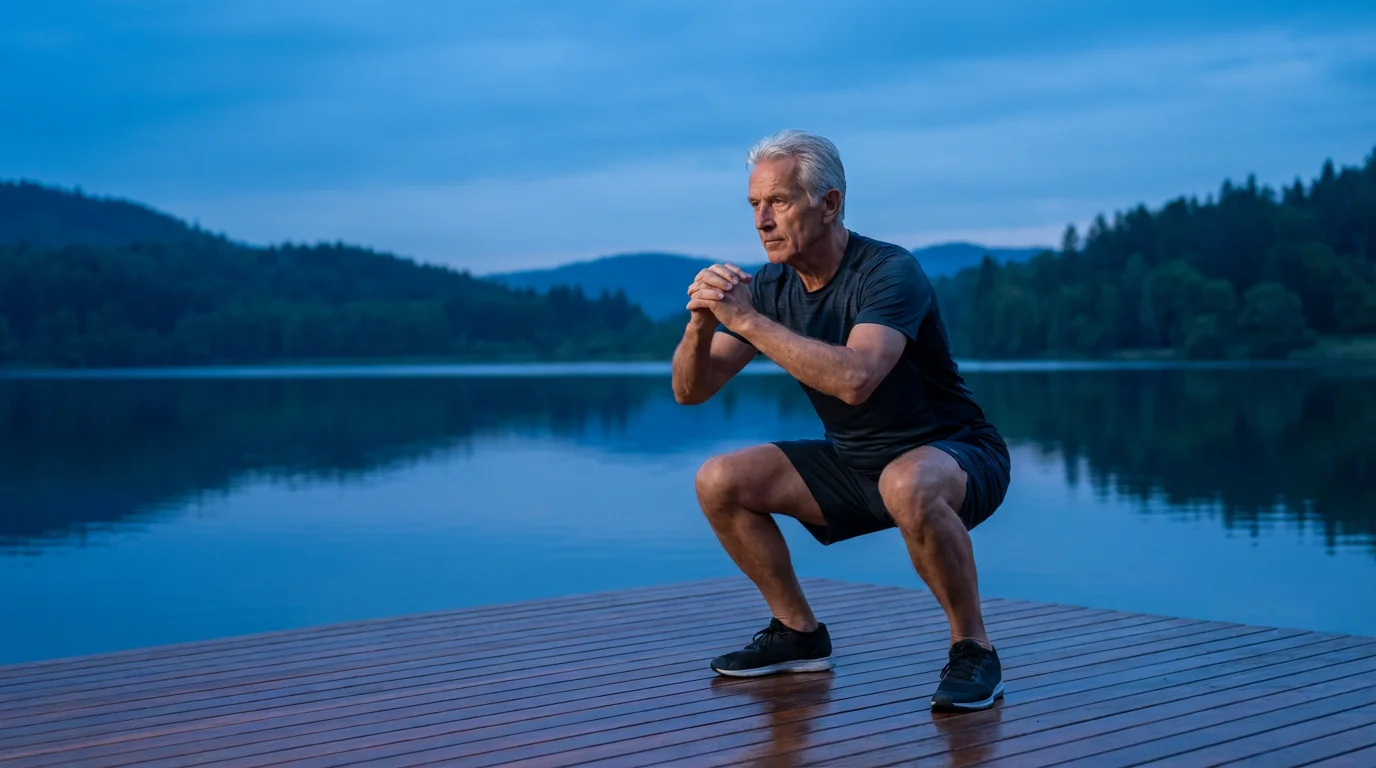
- Squats: Strengthen legs and glutes, crucial for hiking and climbing. Start with chair squats for support.
- Lunges: Improve leg strength and balance. Begin without weights, focusing on form.
- Wall Push-ups: Build upper body and core strength, useful for stability.
- Step-ups: Mimic stair climbing and build leg power. Use a low, sturdy step.
- Rows (with resistance band or light weights): Strengthen your back, improving posture and reducing fatigue during long walks.
- Planks: Develop core strength, which stabilizes your entire body. Start with shorter holds and build up.
Progress gradually by increasing repetitions, sets, or resistance. Your goal is to challenge your muscles safely, promoting growth and endurance. What exercises help seniors prepare for outdoor adventures? These foundational movements form a great start.
Flexibility and Balance: Essential for Trail Safety
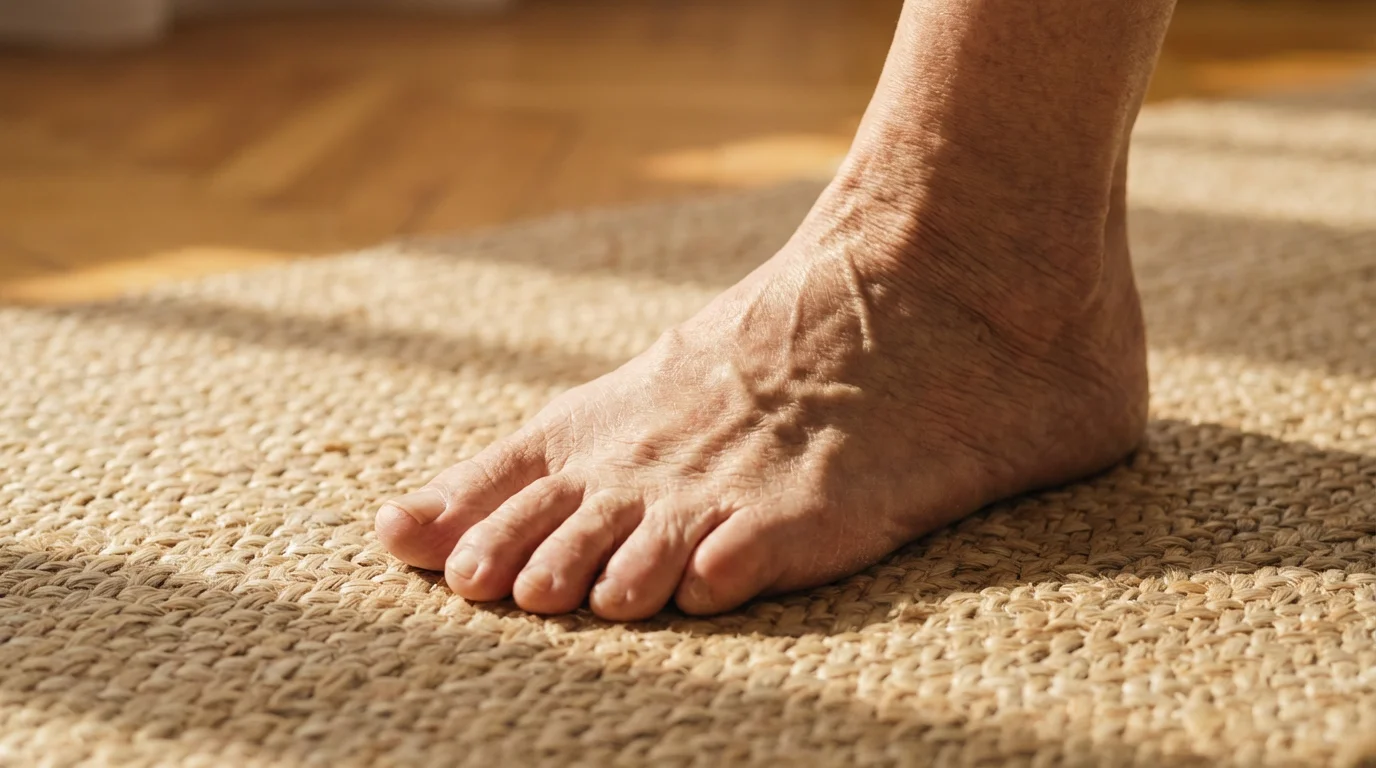
Good flexibility prevents injuries and allows for a greater range of motion, which is vital on uneven trails. Balance training reduces your risk of falls, a significant concern during outdoor activities. Integrate these elements into your weekly routine.
Practicing these stability techniques is even more rewarding when you join organized group hikes to explore new trails with peers.
Devote 10-15 minutes to stretching after each workout, when your muscles are warm. Hold each stretch for 20-30 seconds without bouncing. Consistent stretching enhances your agility and comfort on the trail.
Balance exercises you can do at home:
- Single-Leg Stands: Hold onto a counter for support initially. Gradually increase hold time as your balance improves.
- Heel-to-Toe Walks: Walk with your heel directly in front of your toes, like walking on a tightrope. This challenges your stability.
- Tai Chi or Yoga: These practices combine gentle movements, balance, and flexibility, offering holistic benefits for `senior exercise`.
- Standing on One Leg While Brushing Teeth: Integrate balance practice into your daily routine.
Practicing these exercises regularly significantly enhances your coordination. You will navigate tricky terrain with greater confidence and reduced fall risk, directly improving your `outdoor fitness` for real-world scenarios.
Integrating Outdoor Fitness into Your Routine
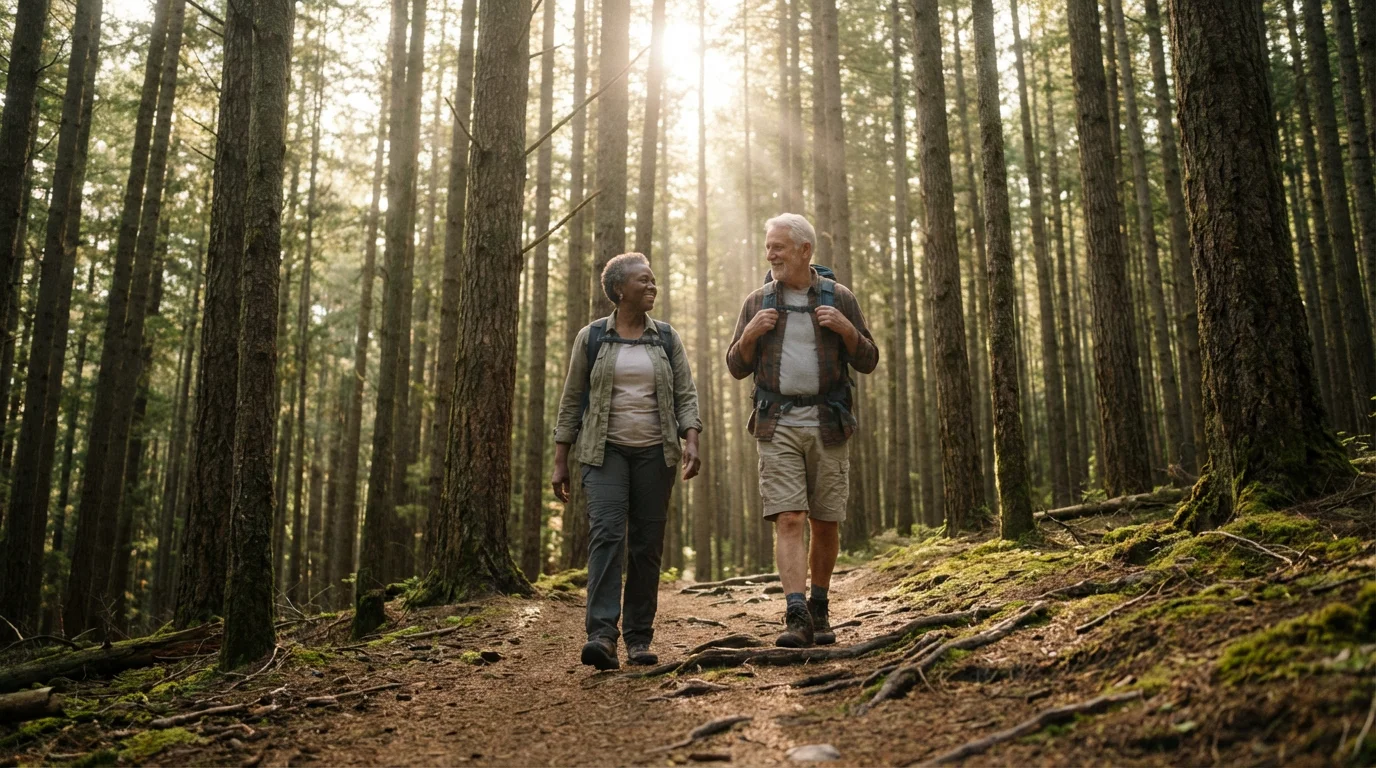
The best way to prepare for outdoor adventures is to practice outdoors. Transition your `senior exercise` routine into natural environments as much as possible. This acclimatizes your body to varied surfaces, weather conditions, and elevations.
You can also look into adventure clubs for seniors to find community-led outings that fit your new routine.
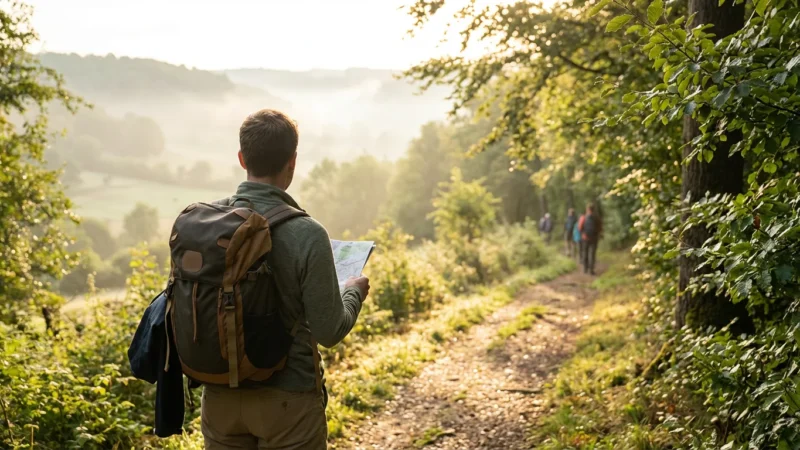
Begin with short, local nature walks and gradually extend their duration and difficulty. Explore nearby parks, trails, or even a golf course. Each outing builds your confidence and specific `outdoor fitness` relevant to your goals.
Consider these practical steps for incorporating more outdoor activity:
- Start Small: Begin with 15-20 minute walks on even surfaces.
- Increase Duration: Once comfortable, extend your walks to 30-60 minutes.
- Introduce Incline: Seek out paths with gentle hills or stairs.
- Vary Terrain: Practice walking on grass, gravel, and uneven dirt paths.
- Wear Your Gear: Occasionally wear your hiking boots or carry a light daypack during your training walks. This helps you get accustomed to your adventure equipment.
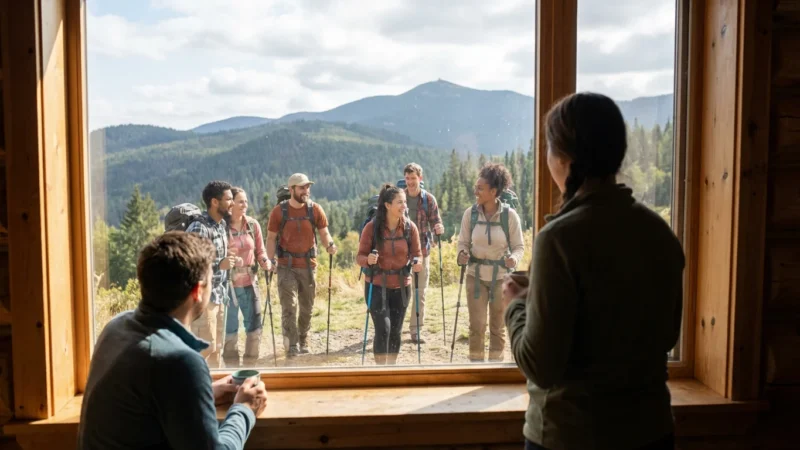
- Join a Group: Many communities offer senior walking or hiking groups. This provides motivation and social connection. Find groups through local senior centers or online communities like AARP Travel. Visit AARP Travel for group trip ideas and resources.
Consistency is key. Regular exposure to outdoor elements primes your body for real adventure, making your `stamina building` efforts directly applicable.

Nutrition and Hydration: Fueling Your Adventures
Your body performs best when properly fueled and hydrated. Proper nutrition provides the energy needed for exercise and recovery. Adequate hydration prevents fatigue and supports all bodily functions, especially during physical activity.
If your fitness journey takes you on the road, ensure your vehicle is as prepared as you are by following an essential RV checklist.
Staying hydrated is particularly critical if your training leads you toward dealing with altitude sickness in high-elevation destinations.
Focus on a balanced diet rich in whole foods. Include lean proteins for muscle repair, complex carbohydrates for sustained energy, and healthy fats for overall well-being. Fruits and vegetables provide essential vitamins and minerals.
Hydration tips for active seniors:
- Drink Water Regularly: Do not wait until you feel thirsty. Carry a water bottle and sip throughout the day.
- Pre-hydrate: Drink extra water before and during your workouts or outdoor activities.
- Electrolytes: For longer or more intense activities, consider electrolyte-enhanced drinks to replenish lost salts.
- Monitor Urine Color: Light yellow urine generally indicates good hydration. Darker urine suggests you need more fluids.
- Avoid Excessive Caffeine and Alcohol: These can contribute to dehydration.
Proper fueling directly supports your `stamina building` efforts. What exercises help seniors prepare for outdoor adventures? The ones fueled by good food and plenty of water.
Listen to Your Body: Preventing Overuse
While inspiring seniors to explore, SeniorLifeAdventures.com always emphasizes safety. Pushing yourself is good, but overdoing it leads to injury and burnout. Your body sends signals; learn to interpret them.
Pain is your body’s alarm system. Distinguish between muscle soreness, which is normal after a good workout, and sharp or persistent pain. If something feels wrong, stop and rest. Consult your doctor if pain continues.
Allow for adequate recovery time between workouts. Rest days are crucial for muscle repair and growth, making your `senior exercise` program more sustainable. Consider cross-training with different activities to prevent repetitive strain injuries.
Signs you might be overtraining:
- Persistent muscle soreness.
- Increased fatigue or decreased energy.
- Trouble sleeping.
- Irritability or mood changes.
- Reduced performance during workouts.
- Frequent illness.
Progress gradually. Increase the intensity, duration, or frequency of your workouts by no more than 10% each week. This measured approach ensures safe and effective `stamina building` without compromising your health.
Sample Weekly Exercise Plan for Stamina Building
This sample plan integrates cardiovascular, strength, and flexibility training. Adjust it to fit your current fitness level and preferences. Remember, consistency and gradual progression are key to long-term `stamina building`.
| Day | Type of Exercise | Focus | Duration/Sets |
|---|---|---|---|
| Monday | Cardio | Brisk Walking or Cycling | 30-45 minutes (moderate intensity) |
| Tuesday | Strength Training | Legs, Core (Squats, Lunges, Planks) | 3 sets of 10-15 repetitions per exercise |
| Wednesday | Rest or Light Active Recovery | Gentle Stretching, Leisurely Walk | 20-30 minutes |
| Thursday | Cardio | Swimming or Dance Class | 30-45 minutes (moderate intensity) |
| Friday | Strength Training | Upper Body, Back (Wall Push-ups, Resistance Band Rows) | 3 sets of 10-15 repetitions per exercise |
| Saturday | Outdoor Adventure Focus | Hiking (varied terrain) or Longer Walk | 45-60 minutes (gradually increasing) |
| Sunday | Rest & Flexibility | Stretching, Yoga, Balance Exercises | 20-30 minutes |
Before each workout, perform a 5-10 minute warm-up with light cardio and dynamic stretches. Follow each session with a 5-10 minute cool-down and static stretches. This structured approach helps answer `how can seniors improve their stamina for hiking?` by providing a clear path.
Frequently Asked Questions
How quickly can I expect to see improvements in my stamina?
Improvements vary based on your starting fitness level and consistency. Many seniors notice increased energy and endurance within 4-6 weeks of consistent `senior exercise`. Significant gains in `stamina building` often take 2-3 months.
Is it safe to exercise outdoors in all weather conditions?
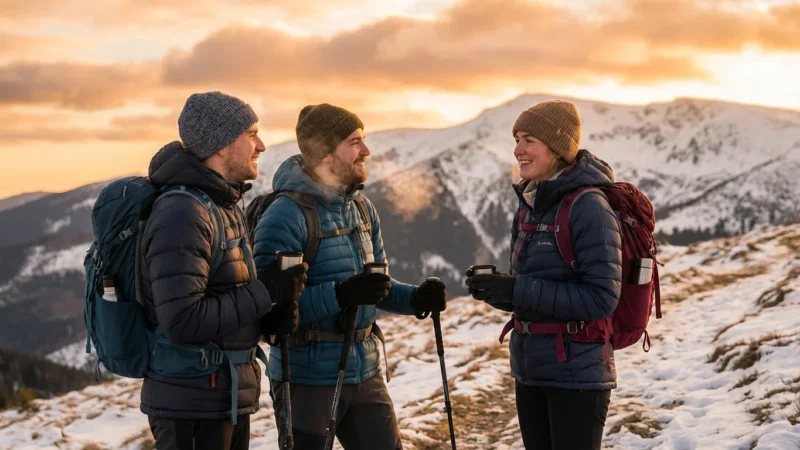
Always prioritize safety. Avoid extreme heat, humidity, or cold. Check weather forecasts and dress appropriately in layers. If conditions are unsafe, opt for indoor alternatives. The CDC offers excellent resources on staying active in various weather. Check the CDC Travelers’ Health site for general safety advice.
What if I have joint pain? Can I still build stamina?
Yes, absolutely. Focus on low-impact activities like swimming, cycling, or using an elliptical machine. These activities minimize stress on joints while still providing excellent cardiovascular benefits. Consult your doctor or a physical therapist for specific recommendations tailored to your condition. What exercises help seniors prepare for outdoor adventures when they have joint concerns? Low-impact options are key.
How important is hydration during outdoor activities?
Hydration is critically important. Dehydration significantly impairs performance and can lead to serious health issues, especially for seniors. Drink water before, during, and after your activity. Carry more water than you think you need. Consider a hydration pack for longer excursions to ensure you have enough fluids.
Can walking alone improve my stamina for more intense adventures like hiking?
Walking is an excellent foundation for `stamina building`. To prepare for more intense adventures, gradually increase your walking speed, duration, and incorporate inclines or varied terrain. Add strength training for leg muscles and balance exercises. These additions will bridge the gap between casual walking and challenging hikes, improving your `outdoor fitness` comprehensively.
Should I carry a first-aid kit on all my outdoor adventures?
Yes, always carry a basic first-aid kit. Even on short walks, minor scrapes or blisters can occur. For longer or more remote adventures, ensure your kit is comprehensive and you know how to use its contents. Knowing you are prepared contributes to a safer and more confident outdoor experience.
Disclaimer: This article is for informational purposes only. Travel conditions, accessibility, and requirements change frequently. We encourage readers to verify current information with official sources before traveling. Always consult with healthcare providers about travel considerations for your specific health situation.

Leave a Reply