

Embarking on new adventures enriches your life, creating lasting memories and connecting you with the natural world. Birdwatching offers an accessible, rewarding path to exploration for active seniors. This engaging pastime encourages you to step outside, observe the intricate beauty of avian life, and sharpen your senses. It’s a perfect blend of tranquility and discovery, allowing you to appreciate the vibrant ecosystems around you.
Because it requires very little expensive equipment, birdwatching is an excellent activity to include in budget-friendly adventure vacations designed for retirees.
Whether you dream of spotting a rare warbler in a local park or observing majestic raptors on a national wildlife refuge, birdwatching provides endless opportunities. This guide offers practical advice to start your journey, ensuring you approach this new pursuit with confidence and excitement. Prepare to uncover a fascinating world of feathers, songs, and flight.
Table of Contents
- Why Birdwatching is Your Next Adventure
- Getting Started: Essential Gear
- Learning the Basics: How to Identify Birds
- Where to Find Your Feathered Friends
- Ethical Birding and Safety Tips
- Planning Your Birdwatching Trip
- Taking Your Passion Further
- Frequently Asked Questions

Why Birdwatching is Your Next Adventure
Birdwatching provides a unique blend of mental stimulation, physical activity, and deep connection with nature. It’s an ideal senior hobby, offering flexibility to suit various activity levels and interests. You can enjoy it alone in your backyard or as part of a vibrant group tour.
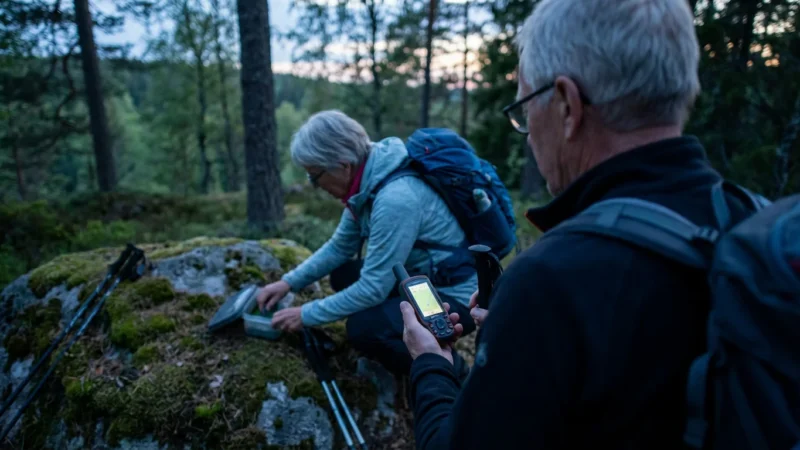
For those who enjoy the social aspect of exploration, joining group hikes can be a fantastic way to find rare species while meeting fellow nature enthusiasts.
Since birding often involves exploration, building your stamina through light exercise can help you navigate longer trails with ease.
This activity sharpens your observation skills, patience, and knowledge of local ecosystems. Engaging with the outdoors has proven health benefits, including reduced stress and improved mood. Birdwatching encourages gentle movement, fresh air exposure, and a sense of purpose in discovery.
“The world is a book and those who do not travel read only one page.” — Saint Augustine
Birdwatching extends this idea of travel and discovery to your immediate surroundings, revealing the hidden wonders right outside your door or in nearby natural spaces. It transforms a simple walk into an engaging expedition.
Getting Started: Essential Gear
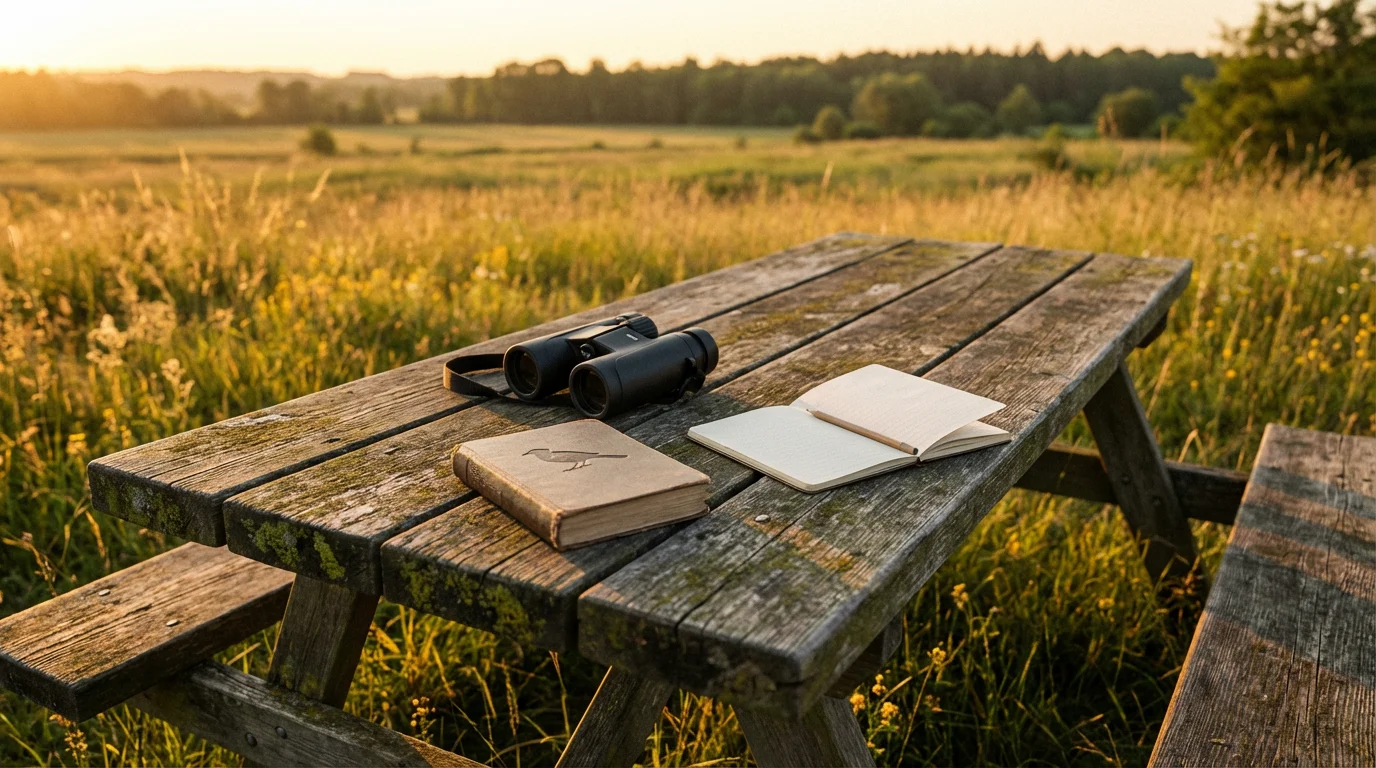
You do not need extensive equipment to begin birdwatching, but a few key items enhance your experience. Prioritizing quality over quantity ensures a more rewarding and comfortable outing. Start with the basics and expand your gear as your interest grows.
If your birding travels take you far from home, learning the basics of camping comfortably will allow you to wake up right in the heart of prime avian habitats.
Your Essential Birdwatching Toolkit
- Binoculars: These are your most important tool. They bring distant birds into clear view, revealing details critical for identification.
- Field Guide: A regional field guide helps you identify birds based on their appearance, habitat, and behaviors. Choose one specifically for your area.
- Notebook and Pen: Document your sightings, make sketches, and note details like time, location, and weather. This helps with identification and creates a valuable record.
- Comfortable Walking Shoes: You will spend time on your feet, so supportive, broken-in shoes are crucial for comfort and safety.
- Appropriate Clothing: Dress in layers to adapt to changing weather conditions. Earth tones help you blend into the environment without disturbing birds.
- Hat and Sunscreen: Protect yourself from the sun, even on cloudy days. A wide-brimmed hat also helps reduce glare.
- Water Bottle: Stay hydrated, especially during longer outings.
What Are the Best Birdwatching Binoculars?
Selecting the right binoculars involves understanding a few key specifications. Numbers like “8×42” refer to magnification (8x) and objective lens diameter in millimeters (42mm). For most senior birdwatchers, a balance of power, brightness, and ease of handling is paramount. Consider models known for their comfortable eye relief, especially if you wear glasses.
| Feature | Recommendation for Beginners | Why it Matters |
|---|---|---|
| Magnification (e.g., 8x, 10x) | 8x | Offers a wider field of view, making it easier to locate birds. Provides a steadier image compared to 10x, reducing hand shake. |
| Objective Lens Diameter (e.g., 32mm, 42mm) | 42mm | Larger lenses gather more light, resulting in brighter, clearer images, particularly in low-light conditions like dawn or dusk. |
| Weight | Light to Moderate | Heavy binoculars cause arm fatigue during prolonged viewing. Look for models around 1.5-2.0 lbs. |
| Eye Relief | 15mm or more | Essential for eyeglass wearers to see the full field of view. Allows you to keep your glasses on while viewing. |
| Waterproofing/Fogproofing | Highly Recommended | Protects your investment from unexpected rain or humidity, ensuring clear views in varying conditions. |
Test different models if possible to find what feels best in your hands and offers a clear view for your eyes. Many outdoor retailers allow you to try binoculars before purchasing.
Learning the Basics: How to Identify Birds
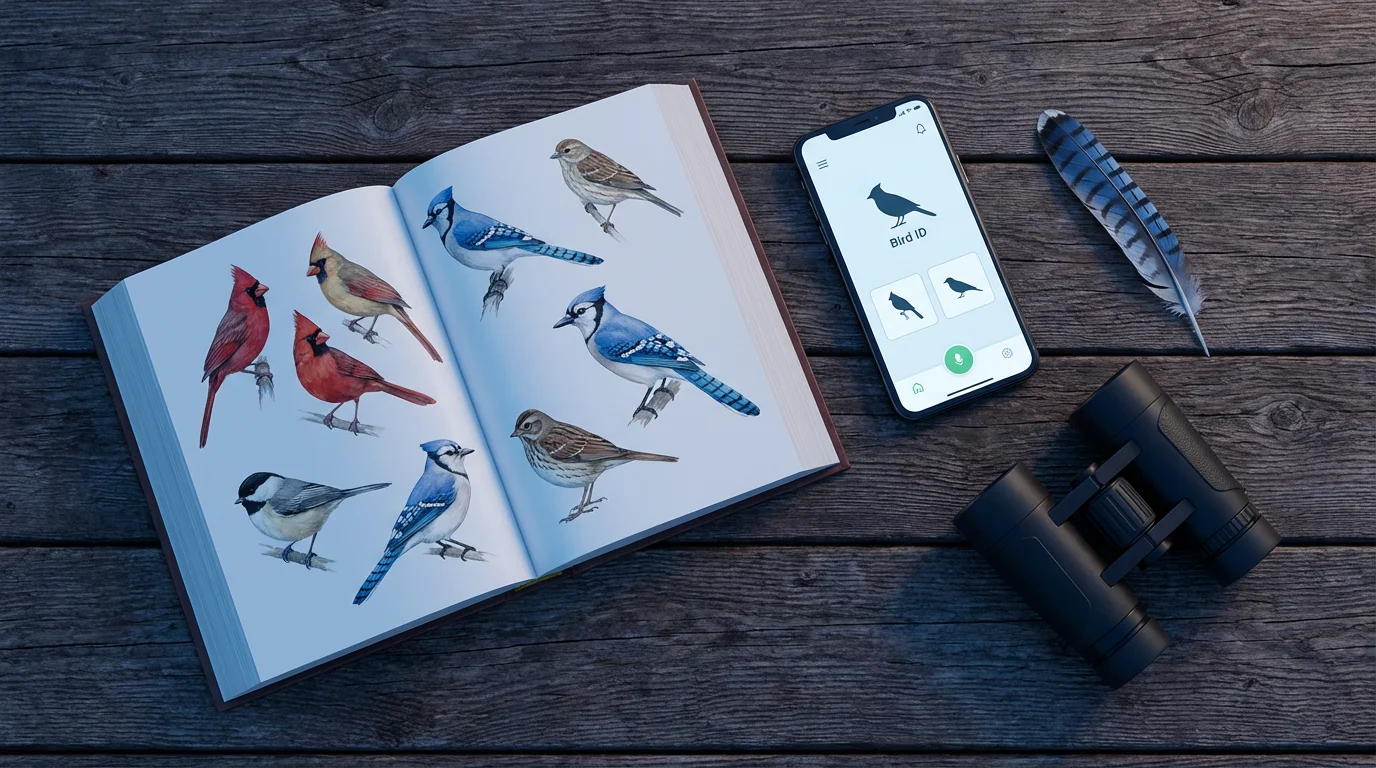
Bird identification might seem daunting at first, but with a systematic approach, you will quickly develop your skills. This aspect of the hobby transforms casual observation into a fascinating puzzle, enhancing your nature identification abilities. Focus on key characteristics to differentiate between species.
Key Features for Bird Identification
- Size and Shape: Is the bird robin-sized, sparrow-sized, or much larger? Notice its overall silhouette, tail length, and beak shape. Is it stout or slender?
- Color Patterns: Look for distinct markings. Are there stripes on the head, wing bars, or a colored patch on the throat or rump? Note the dominant colors and their distribution.
- Behavior: How does the bird move? Does it hop, walk, or cling to tree trunks? Is it foraging on the ground, in trees, or diving for fish? Does it sing, call, or stay silent?
- Habitat: Where do you see the bird? Is it in a forest, field, marsh, or suburban backyard? Knowing typical habitats narrows down possibilities.
- Field Marks: These are specific features, like an eye ring, a crest, wing bars, or a particular tail pattern. Your field guide will highlight these.
- Voice/Song: Many birds have distinctive calls and songs. Learning common bird calls significantly aids identification, often alerting you to a bird’s presence before you see it.
Start by familiarizing yourself with common birds in your local area. Your field guide will be an invaluable resource. Many free apps and online resources also offer bird call libraries and photo identification tools.
Where to Find Your Feathered Friends
Birdwatching opportunities abound, from your backyard to vast wilderness areas. The best locations often depend on your comfort level and desired adventure. Consider accessibility, trail conditions, and amenities when choosing your birding spot.
To see exotic species in a world-class setting, consider looking into active adventures in Costa Rica, which is a premier destination for senior-friendly birding.
For those with specific physical needs, many nature preserves offer accessible adventure options designed to be enjoyed regardless of mobility levels.
Popular Birdwatching Destinations and Types
- Your Backyard: Even a small garden can attract a variety of birds with feeders, birdbaths, and native plants. This is an excellent starting point for any senior hobbyist.
- Local Parks and Green Spaces: These urban oases provide habitats for common species and migrating birds. They often feature paved paths and benches, making them accessible.
- State Parks and Nature Preserves: These areas offer richer biodiversity and more extensive trail systems. Many have visitor centers and guided programs.
- National Wildlife Refuges: Managed by the U.S. Fish and Wildlife Service, these refuges are specifically designed to protect wildlife and provide excellent birding opportunities. Many offer accessible viewing platforms.
- National Parks: While celebrated for their landscapes, National Parks also protect diverse ecosystems teeming with birdlife. Explore options at NPS.gov.
- Coastal Areas and Wetlands: These habitats attract shorebirds, waterfowl, and seabirds, offering unique viewing experiences.
Check local Audubon Society chapters or park websites for recent bird sightings or guided walks. These resources often provide valuable insights into current bird activity and accessible trails.
Ethical Birding and Safety Tips
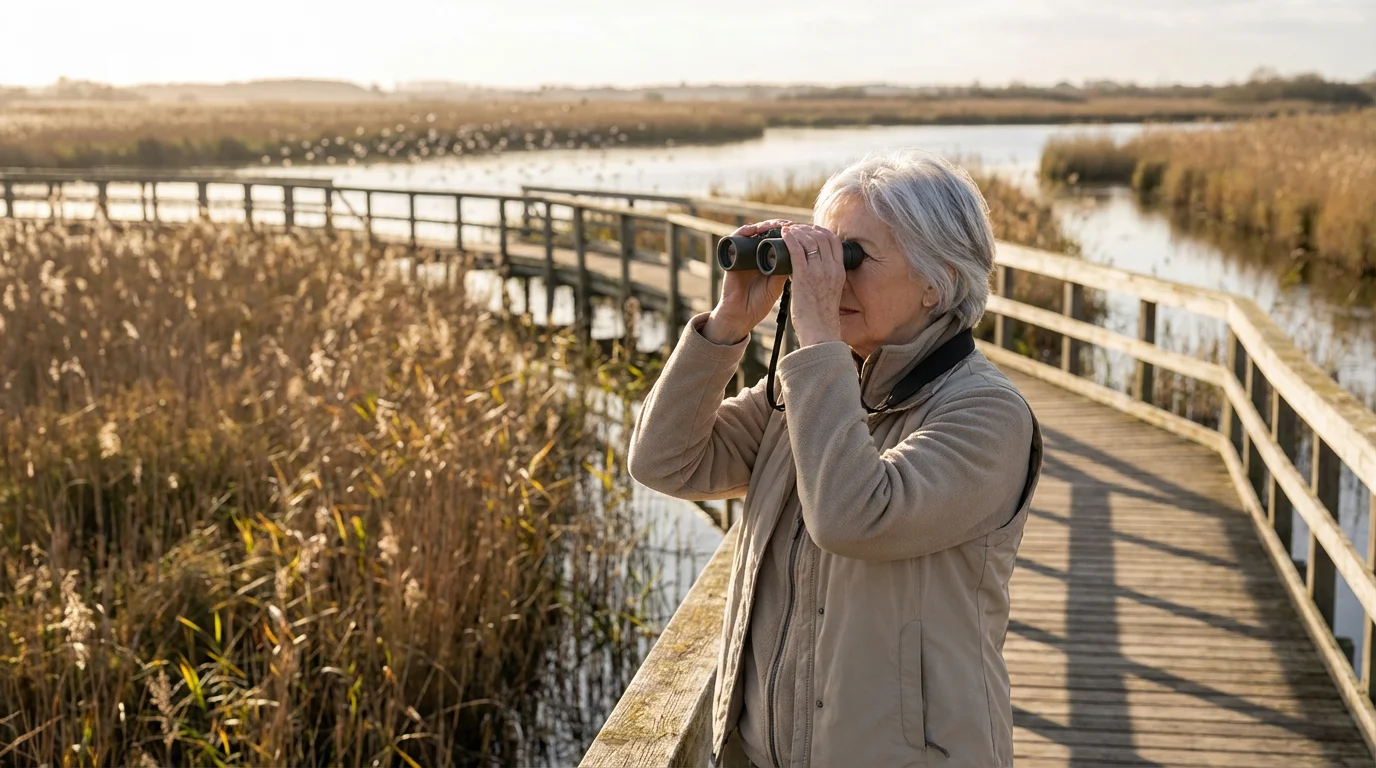
Respect for wildlife and the environment ensures positive experiences for both you and the birds. Practicing ethical birding also contributes to conservation efforts. Prioritizing your personal safety allows you to fully enjoy your outdoor adventures.
You can also find specialized travel partners by joining adventure clubs for seniors that organize trips to famous birding hotspots.
Guidelines for Ethical Birding
- Maintain Distance: Use your binoculars to observe birds from a respectful distance. Approaching too closely can stress birds, disrupt their feeding, or flush them from nests.
- Minimize Disturbances: Avoid loud noises or sudden movements. If a bird reacts negatively to your presence, you are too close.
- Do Not Use Playback Indiscriminately: Playing bird calls can attract birds for closer views, but overuse can disrupt their natural behaviors, especially during nesting season. Use sparingly, if at all.
- Stay on Marked Trails: Protect sensitive habitats and avoid disturbing ground-nesting birds by sticking to designated paths.
- Never Harass Birds: Do not chase, corner, or attempt to handle wild birds.
- Support Conservation: Your participation in birdwatching, especially through local groups, helps foster awareness and support for bird conservation.
Senior Birdwatching Safety Advice
- Inform Someone of Your Plans: Let a friend or family member know where you are going and when you expect to return.
- Check Weather Forecasts: Be prepared for changing conditions. Avoid severe weather.
- Carry Essentials: Always bring water, a snack, a fully charged phone, and any necessary medications.
- Dress Appropriately: Wear layers and sturdy, comfortable footwear suitable for the terrain.
- Be Aware of Your Surroundings: Watch for uneven ground, roots, rocks, and potential wildlife.
- Consider a Companion: Birdwatching with a friend or in a group enhances safety and offers shared discovery.
- Know Your Physical Limits: Choose trails and durations that match your fitness level. There is no shame in turning back early.
Your well-being is paramount. Prepare diligently for each outing to ensure a safe and enjoyable experience.

Planning Your Birdwatching Trip
Transforming your `senior hobby` into a dedicated birdwatching trip involves careful planning. Whether you envision a day trip to a local refuge or an extended journey to a prime migration spot, thoughtful preparation makes the adventure seamless and enjoyable. Consider factors like season, location, and your travel companions.
Steps for Planning a Successful Birding Excursion
- Choose Your Destination: Research areas known for good birding. Consider local parks, state parks, or National Wildlife Refuges. For longer trips, explore destinations like the Texas coast during migration, or national forests through NationalForests.org.
- Select the Best Time to Visit: Migration seasons (spring and fall) offer peak diversity and activity. Early mornings are generally best for bird activity.
- Research Target Species: Learn which birds are likely present at your chosen location during your visit. This helps you know what to look for and allows you to study their unique characteristics beforehand.
- Check Accessibility and Facilities: Confirm trail conditions, restroom availability, and any senior-friendly amenities. Review the destination’s website or call ahead for current information.
- Pack Your Gear: Gather your binoculars, field guide, notebook, appropriate clothing, water, snacks, and any personal medications.
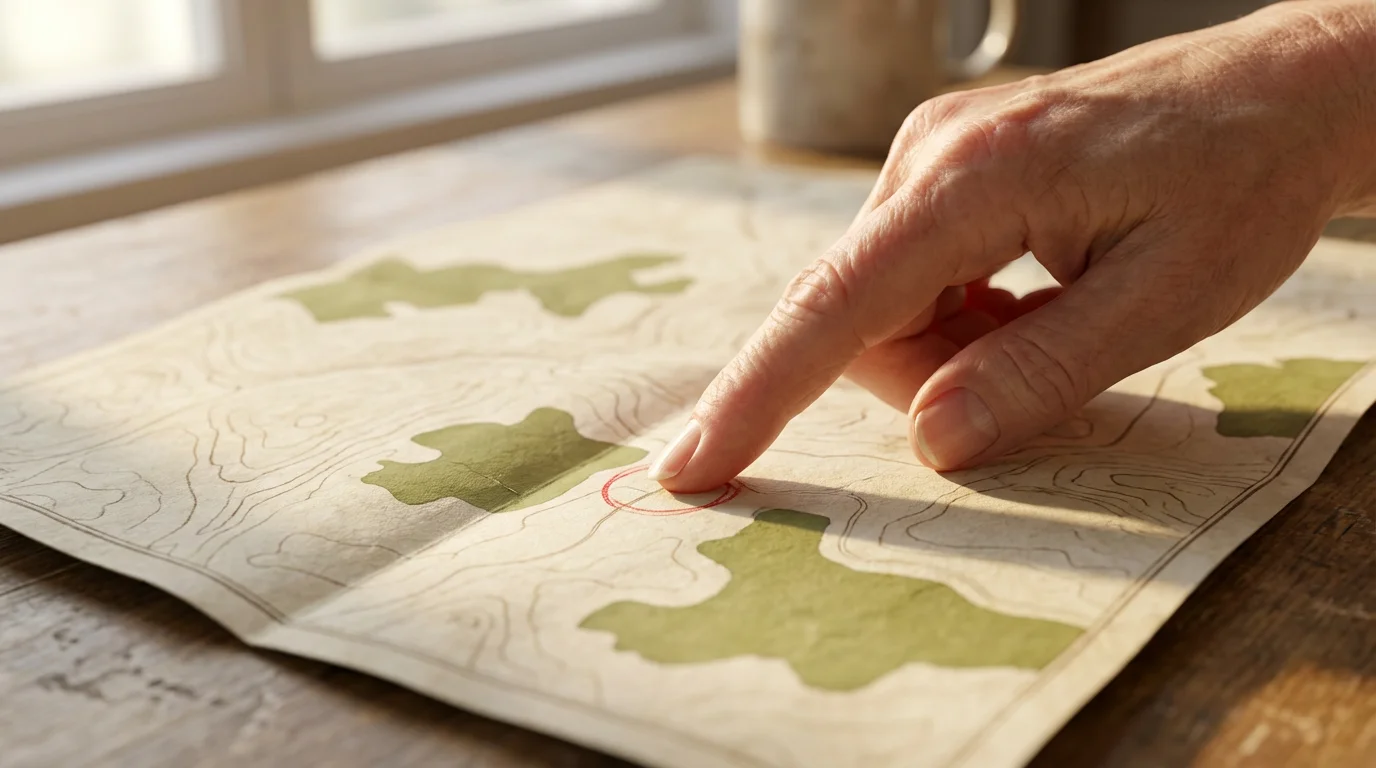
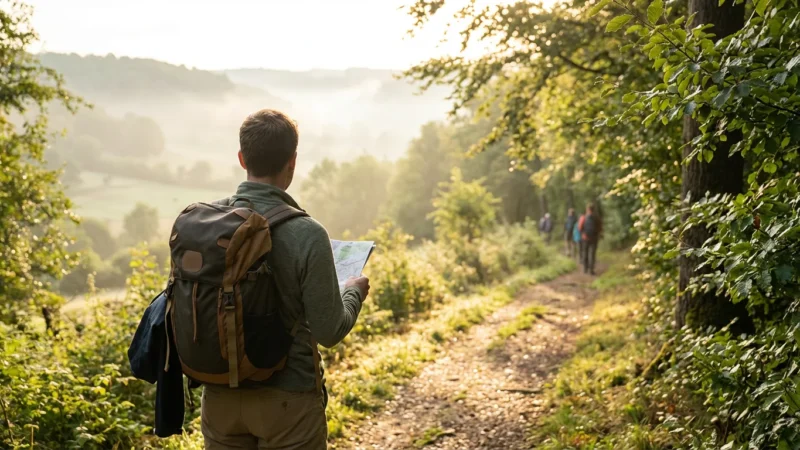
- Plan Your Route: Familiarize yourself with the park map or trail system. Identify specific birding hotspots within the area.
- Consider Guided Tours or Groups: Local Audubon chapters or organizations like Road Scholar offer birding tours specifically designed for seniors, providing expert guidance and camaraderie.
- Review Health and Safety Guidelines: Check CDC Travelers’ Health guidelines at wwwnc.cdc.gov/travel/ and ensure you are prepared for potential environmental challenges.
Meticulous planning ensures you maximize your birdwatching time and minimize unexpected challenges. Enjoy the anticipation as you prepare for your next avian encounter.

Taking Your Passion Further
Once you develop a foundational love for `birdwatching`, many avenues open for deeper engagement. Your journey does not end with identifying common backyard birds; it can lead to lifelong learning, community involvement, and even international travel. Embrace these opportunities to expand your horizons.
Ways to Advance Your Birdwatching Skills and Experience
- Join a Local Birding Club: Connect with experienced birders, participate in group outings, and learn from their knowledge. These clubs often host educational events and field trips.
- Participate in Citizen Science: Contribute to bird conservation by submitting your sightings to platforms like eBird. Your observations help scientists track bird populations and migration patterns.
- Learn Bird Photography: Combine your love for birds with photography. This adds another layer of challenge and reward, allowing you to capture stunning images of your discoveries.
- Explore Birding Festivals: Many regions host annual birding festivals, offering workshops, guided walks, and opportunities to see rare species.
- Travel to Birding Hotspots: Plan trips to famous birding destinations, both domestically and internationally. These locations often boast incredible species diversity and unique ecosystems.
- Volunteer at a Nature Center or Sanctuary: Share your growing knowledge and passion by volunteering. This offers a chance to educate others and support conservation efforts directly.
- Invest in Advanced Optics: As your passion deepens, you might consider upgrading your binoculars or even investing in a spotting scope for long-distance viewing.
Each step forward in your birdwatching journey unlocks new levels of appreciation for the natural world. It is a hobby that continually offers fresh discoveries, keeping your mind active and your spirit adventurous.
Frequently Asked Questions
Are birdwatching apps useful for beginners?
Yes, many birdwatching apps are incredibly useful for beginners. They often include field guides, bird calls, and identification tools that work on your smartphone. Apps like Merlin Bird ID can even identify birds by sound, making nature identification much easier for newcomers.
How can I attract more birds to my backyard?
You can attract more birds by providing food, water, and shelter. Install bird feeders with a variety of seeds, offer a clean birdbath, and plant native shrubs and trees that provide berries, nectar, or nesting sites. Keep feeders clean to prevent disease.
Is birdwatching an expensive hobby for seniors?
Birdwatching can be as inexpensive or as costly as you choose. You can start with just a pair of binoculars and a free online guide. If you develop a deeper interest, you might invest in higher-quality optics or guided tours, but these are optional upgrades. It is a very accessible senior hobby.
What is the best time of day for birdwatching?
The best time of day for birdwatching is usually during the early morning hours, shortly after sunrise. Birds are most active during this period, feeding, singing, and moving around. Late afternoon, an hour or two before sunset, also offers good viewing opportunities.
Can I go birdwatching by myself as a senior?
Absolutely, many people enjoy solo birdwatching for its peaceful and contemplative nature. Always prioritize safety by choosing well-trafficked, familiar locations, letting someone know your plans, and carrying a fully charged phone. For remote areas, consider joining a guided tour or a group.
What should I do if I cannot identify a bird?
Do not get discouraged if you cannot identify a bird immediately. Note as many details as possible: size, shape, colors, markings, behavior, and habitat. Consult your field guide later, or upload your observations to a bird identification app or website. Practice and patience improve your skills over time.
Disclaimer: This article is for informational purposes only. Travel conditions, accessibility, and requirements change frequently. We encourage readers to verify current information with official sources before traveling. Always consult with healthcare providers about travel considerations for your specific health situation.




Leave a Reply