
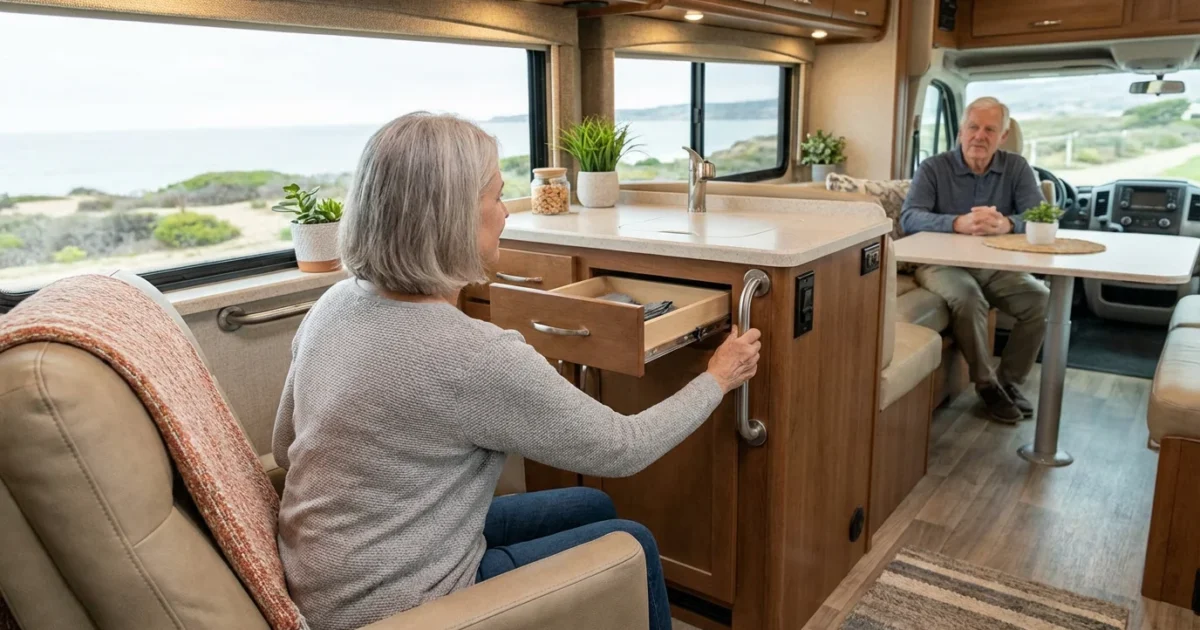
The open road calls to many, promising freedom, discovery, and new horizons. For seniors, an RV represents the ultimate adventure vehicle, offering comfort and flexibility as you explore our beautiful world. You do not have to let changing physical needs limit your wanderlust. Instead, you can adapt your RV to ensure every journey remains comfortable, safe, and truly accessible.
Before you begin your upgrades, ensure you are choosing the right RV for your senior lifestyle to provide the best foundation for long-term comfort.
While focus is often on comfort, don’t forget that dealing with RV emergencies requires a rig that is easy to navigate quickly in high-stress situations.
Embracing RV accessibility modifications means designing a space that perfectly suits your evolving needs. You gain the confidence to travel further and more comfortably. These thoughtful changes ensure your RV continues to serve as your mobile home base, supporting your active lifestyle for years to come. Your RV can become a testament to your enduring spirit of adventure.
Table of Contents
- Why RV Accessibility Matters for Seniors
- Assessing Your RV’s Current Layout and Your Needs
- Major Structural Modifications for Enhanced Accessibility
- Bathroom Upgrades for Safety and Ease
- Kitchen Modifications for Independent Living
- Entry and Exit Solutions
- Bedroom and Living Area Comfort Enhancements
- Technology and Convenience Additions
- Budgeting for Your RV Accessibility Project
- Frequently Asked Questions
Why RV Accessibility Matters for Seniors
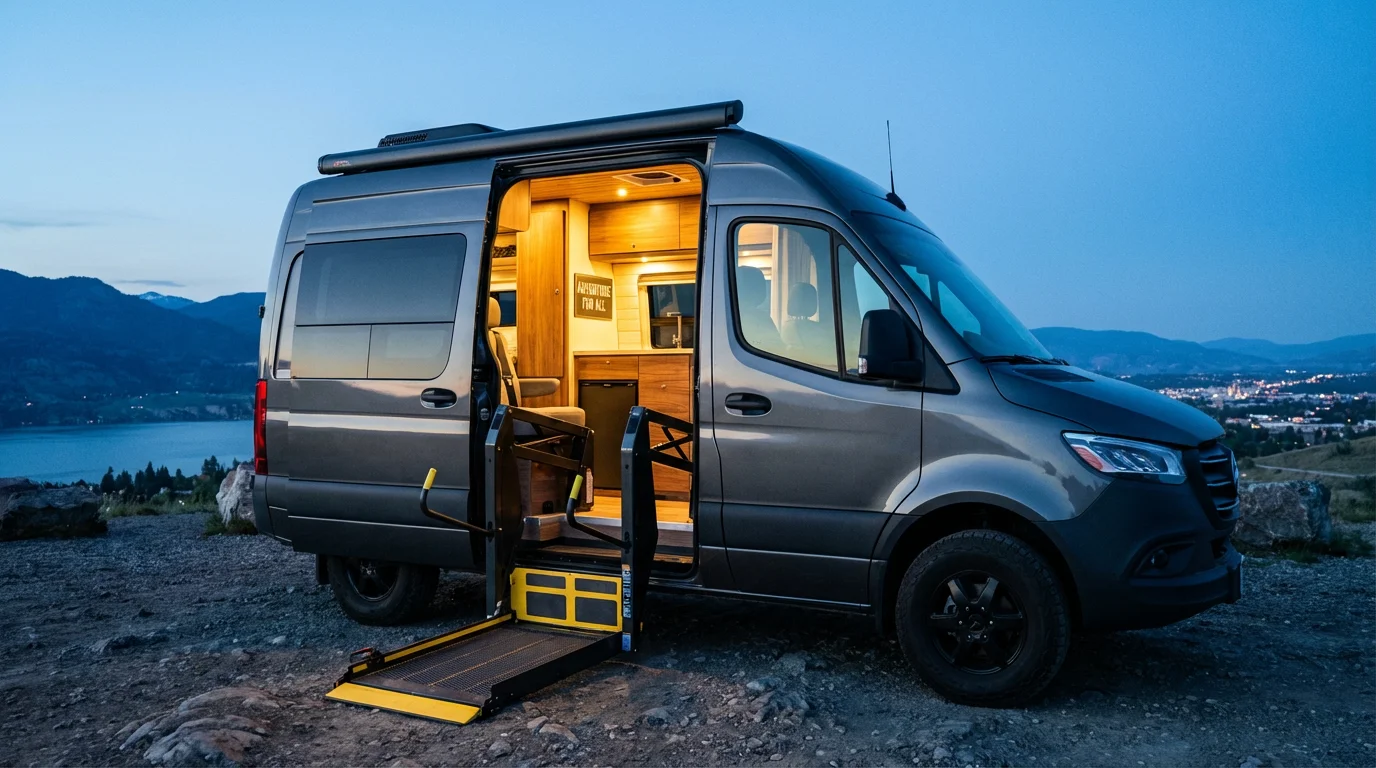
Your golden years offer an unparalleled opportunity for exploration, and RV travel stands out as a top choice for many. However, as we age, mobility and other physical capabilities can naturally shift. This reality does not mean you must park your RV dreams indefinitely. Instead, it invites you to think proactively about your comfort and safety on the road.
Connecting with adventure clubs for seniors is a great way to share modification ideas and find community on the road.
By understanding the broader range of travel options for seniors with limited mobility, you can prioritize the modifications that best support your specific goals.
With a properly modified rig, you can confidently embark on any of the amazing US road trips perfect for senior travelers.
Accessible RV modifications empower you to maintain your independence and continue experiencing the joy of travel without limitation. Data indicates a significant increase in RV ownership among the 55+ demographic, highlighting a strong desire for continued active lifestyles. These travelers seek adaptable solutions to ensure their adventures remain comfortable and unrestricted.
By embracing accessibility, you invest in the longevity of your RV adventures. You future-proof your travel plans, ensuring your rig can grow with you through various life stages. Your comfort, safety, and ability to navigate your mobile living space effortlessly become paramount.
Assessing Your RV’s Current Layout and Your Needs
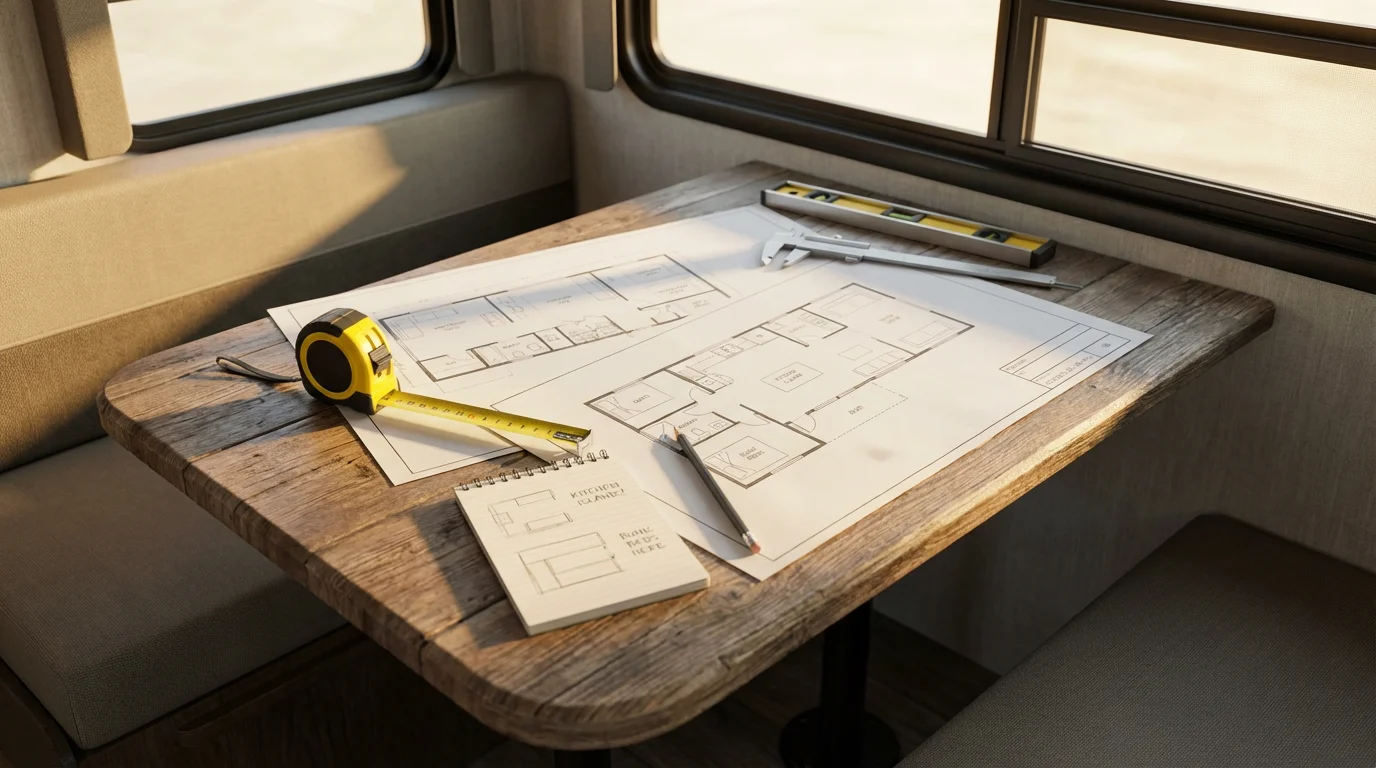
Before you embark on any modifications, a thorough assessment of your current RV and your specific needs is essential. This step involves carefully evaluating your existing setup and envisioning how small or large changes can enhance your daily living. You identify key areas that could pose challenges during travel or day-to-day use.
Once your assessment is complete, incorporate your findings into an essential RV checklist to maintain your rig’s accessibility on every trip.
Consider your mobility, strength, and any vision changes when you review each area of your RV. Think about how you move through the space, how you use appliances, and where you might encounter obstacles. This detailed self-evaluation forms the foundation for practical, impactful modifications.
You might find it helpful to involve a family member or friend in this assessment. An outside perspective can sometimes highlight areas you might overlook. A comprehensive understanding of your requirements leads to the most effective and personalized solutions.
- Walk Through Your RV: Imagine performing daily tasks like preparing a meal, getting into bed, or using the bathroom. Note any tight spots, difficult reaches, or awkward movements.
- Measure Clearances: Check doorway widths, aisle spaces, and the distance between furniture. Compare these measurements to any assistive devices you use, such as walkers or wheelchairs.
- Evaluate Entry and Exit: Assess the height of steps, the stability of handrails, and the ease of opening and closing the main entry door.
- Test Appliance Usability: Try operating all kitchen and bathroom fixtures, ensuring controls are easy to see and manipulate. Consider reach and grip strength.
- Identify Potential Hazards: Look for tripping hazards, sharp edges, or areas with insufficient lighting. Think about the risk of falls in a moving vehicle.
- Consider Your Future Needs: Even if you do not currently use mobility aids, think about modifications that would simplify tasks if your needs change down the line.
Major Structural Modifications for Enhanced Accessibility
Sometimes, achieving true RV accessibility requires more than minor tweaks. Major structural modifications can transform your RV into a far more accommodating and functional space. These changes often address fundamental layout issues, providing a safer and more comfortable environment for all travelers. You invest in significant upgrades that vastly improve your quality of life on the road.
As you invest in these significant upgrades, it is wise to review your adventure travel insurance to ensure your modified vehicle is properly protected.
Widening doorways or altering interior walls are examples of structural changes that can dramatically improve maneuverability. These modifications are especially beneficial if you use a wheelchair or a walker, making movement throughout the RV much easier. You might even consider adjusting the floor plan to create more open areas.
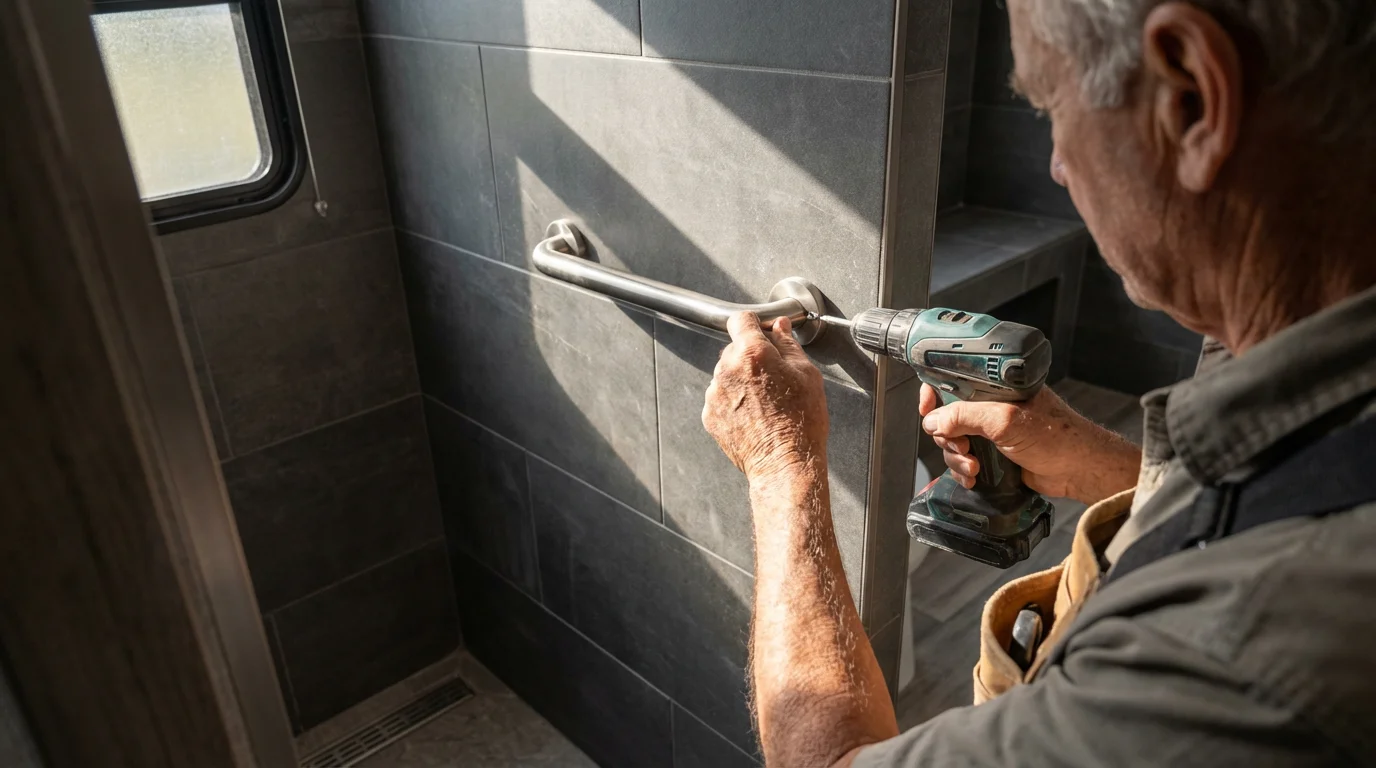
Ramps or lifts for entry and exit represent another significant structural modification. These solutions eliminate the need to navigate steep steps, offering a smooth and secure transition into your RV. Professionals typically handle these types of installations to ensure safety and structural integrity.
Common Structural Modifications:
- Doorway Widening: Expanding interior or exterior doorways allows easier passage for mobility aids.
- Floor Plan Reconfiguration: Removing non-load-bearing walls or built-in furniture can create more open space and clear pathways.
- Entry Ramps: Installing permanent or deployable ramps offers a gradual incline for entry, ideal for wheelchairs or those with limited step mobility. These can be manual or electric.
- RV Lifts: For more significant elevation differences, a hydraulic or electric lift provides effortless entry for individuals using wheelchairs or scooters.
- Reinforced Floors: Strengthening certain floor areas may be necessary to support heavier mobility equipment or accommodate new fixtures.
- Lowering Countertops or Beds: In some RVs, it is possible to adjust the height of fixed elements to a more accessible level.
Bathroom Upgrades for Safety and Ease
The RV bathroom often presents unique accessibility challenges due to its compact size. Thoughtful modifications, however, can transform this essential space into a safe and comfortable area. You can significantly reduce the risk of falls and enhance your independence by focusing on key safety features. These upgrades often bring immense peace of mind.
Ensuring your bathroom is safe is a major part of camping comfortably as a senior during long-distance excursions.
Installing grab bars is a fundamental step. Strategically placed near the toilet, shower, and sink, these provide crucial support for balance and stability. You can confidently maneuver in a wet environment. Non-slip flooring or shower mats are also vital, preventing slips on slick surfaces.
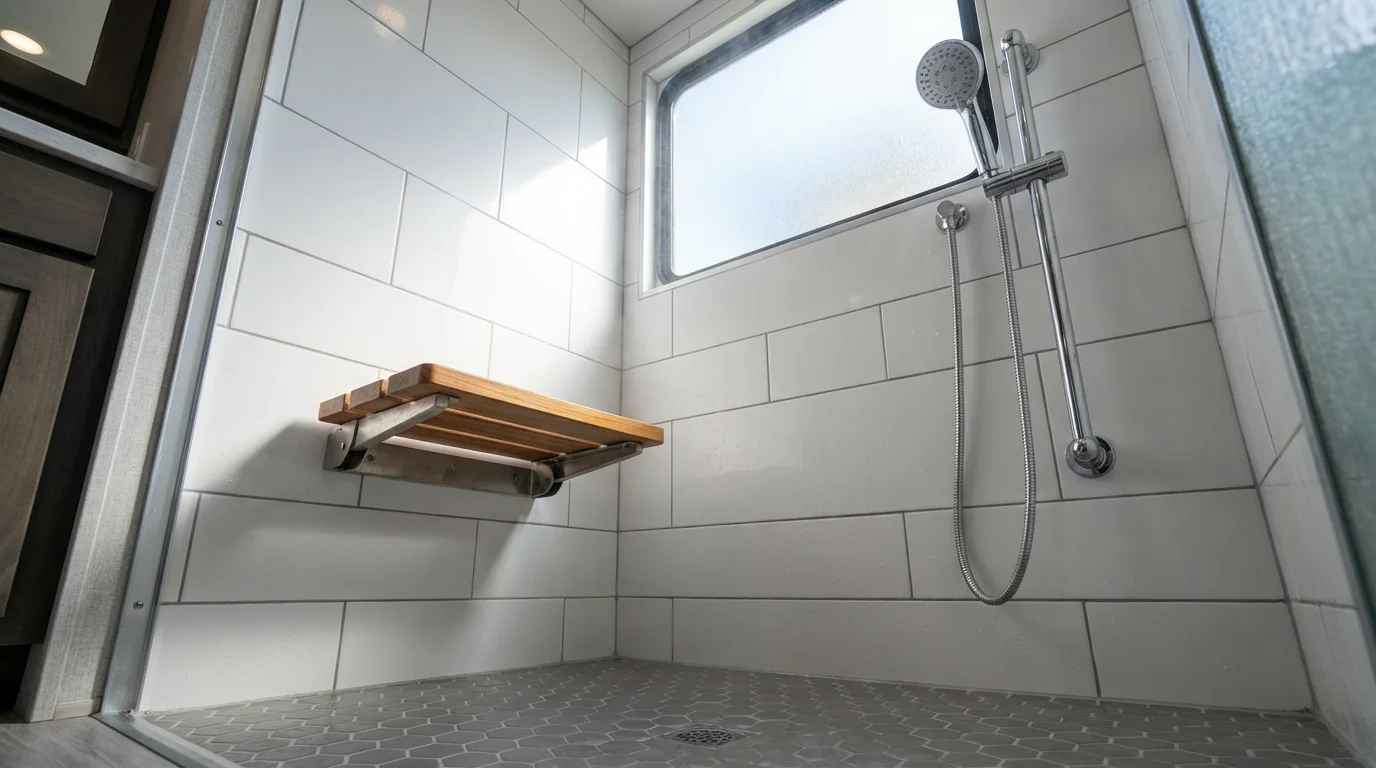
Consider a fold-down shower seat or a fixed bench within the shower stall. This allows you to shower comfortably while seated, conserving energy and improving safety. A raised toilet seat or a comfort-height toilet further eases use, minimizing bending and straining. Lever-style faucets are also excellent additions, much easier to operate than traditional knob handles, especially for hands with reduced grip strength.
Essential Bathroom Upgrades:
- Grab Bars: Install sturdy, professionally mounted grab bars near the toilet, inside the shower, and by the sink.
- Non-Slip Surfaces: Apply non-slip coatings or use adhesive strips on shower floors and bathroom tiling.
- Shower Seats: A fold-down or fixed shower seat offers a secure place to sit while bathing, enhancing safety and comfort.
- Raised Toilet Seats or Comfort-Height Toilets: These reduce the effort required to sit and stand, minimizing strain on joints.
- Lever Faucets: Replace traditional knobs with easy-to-grip lever handles for sinks and showers.
- Handheld Showerheads: A handheld shower unit simplifies bathing, particularly when seated.
- Improved Lighting: Bright, even lighting helps visibility, especially in a compact space.

Kitchen Modifications for Independent Living
Your RV kitchen should be a place where you can comfortably prepare meals, regardless of your mobility. Adapting this space allows you to enjoy cooking and dining independently while on your adventures. You can make everyday tasks much simpler and more enjoyable.
With a fully accessible kitchen, you can more comfortably enjoy the freedom of boondocking for seniors in off-grid locations.
To make the most of your new storage solutions, consider decluttering for RV life to ensure only the essentials occupy your accessible cabinets.
One significant modification involves adjusting countertop heights or installing pull-out work surfaces. This allows for comfortable meal preparation whether you are standing or seated. Replacing standard cabinet doors with pull-out shelves or drawers also makes accessing items much easier, eliminating the need to reach deep into cupboards.
Consider replacing knob handles on cabinets and drawers with D-shaped pulls or lever handles, which are easier to grasp. Similarly, upgrading to appliances with front-facing controls or touchpads can greatly improve usability. A portable induction cooktop can also offer flexible cooking options at a comfortable height.
Practical Kitchen Improvements:
- Pull-Out Shelves and Drawers: Install these in cabinets and pantries for easy access to cookware and food items.
- Lowered or Adjustable Countertops: Create a section of counter that is lower or height-adjustable for comfortable food preparation.
- Lever Handles and D-Pulls: Replace small knobs on cabinets and drawers with easier-to-grasp handles.
- Accessible Appliances: Choose appliances with controls positioned at an accessible height and clearly marked.
- Under-Cabinet Lighting: Enhance visibility on work surfaces, reducing eye strain.
- Roll-Out Waste Bins: Integrate waste and recycling bins on roll-out trays for easy access without bending.
- Portable Cooktops: An induction burner offers flexible placement and easy-to-use controls.
Entry and Exit Solutions
The entryway to your RV is the first point of contact with your home on wheels, and it needs to be safe and easy to navigate. Ensuring a smooth and secure entry and exit is paramount for preventing falls and enhancing overall accessibility. You deserve to enter and exit your RV with confidence and ease.
Stable entry systems are particularly vital when boondocking in remote locations where you may be parked on uneven ground.
Remember to include a check of your step mechanisms and handrail stability on your essential RV checklist for senior road trips.
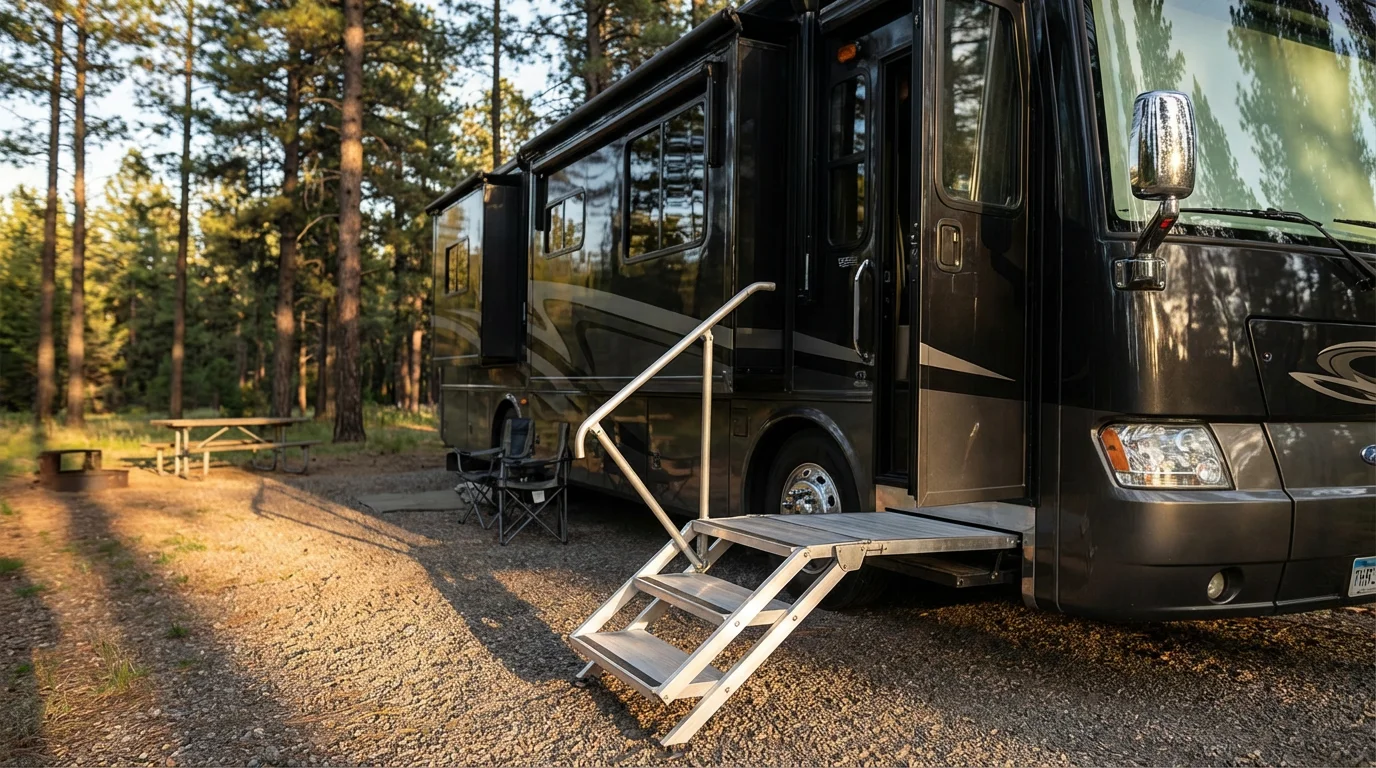
Many RVs come with standard folding steps, which can be challenging for some seniors. Upgrading to automatic, wider, and more stable steps can make a significant difference. These steps often deploy and retract with the push of a button, providing a consistent and secure platform. You eliminate the physical effort of manually adjusting steps.
Sturdy handrails are another critical component of an accessible entry. Adding an additional handrail or replacing an existing one with a more robust, ergonomically designed option provides essential support. You can also install exterior lighting near the entryway, ensuring clear visibility during nighttime arrivals or departures. This small modification significantly enhances safety.
Key Entry and Exit Enhancements:
- Automatic RV Steps: Electric, wider, and lower-rise steps deploy with a switch, offering a stable and consistent entry platform.
- Extended or Additional Handrails: Install sturdy, continuous handrails on both sides of the entryway, extending further out for better support.
- Ramps: Portable or permanent ramps can replace or supplement steps, providing a gentler incline for entry, especially helpful for mobility aids.
- Improved Exterior Lighting: Add bright, motion-activated or switch-controlled lights around the entry door for clear visibility after dark.
- Wider Entry Door: If feasible, widening the main entry door offers more room for maneuvering wheelchairs or walkers.
- Keyless Entry Systems: These reduce the fumbling for keys, offering convenience and security.
Bedroom and Living Area Comfort Enhancements
Your RV’s bedroom and living areas serve as your sanctuary on the road, offering relaxation and respite. Optimizing these spaces for comfort and accessibility ensures every moment inside your RV is enjoyable. You create an environment perfectly tailored to your needs, promoting rest and ease.
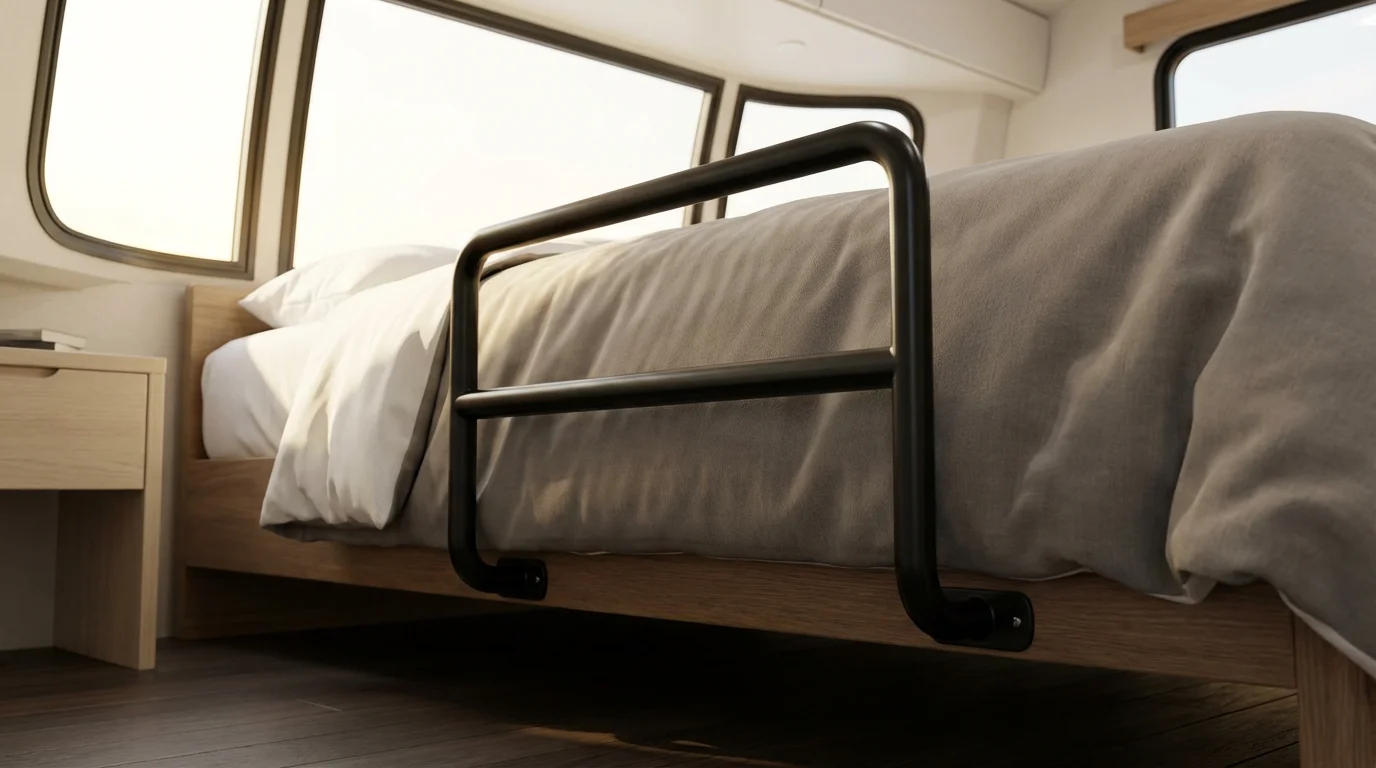
Adjustable beds are a luxury that can significantly enhance sleep quality and comfort. These beds allow you to elevate your head or feet, finding the perfect position for reading, resting, or sleeping. Clear pathways are also crucial in these areas, ensuring you can move freely without encountering obstacles. Rearranging furniture or choosing more compact, multi-functional pieces can help achieve this.
Improved lighting throughout the living and sleeping areas combats eye strain and enhances safety. Consider adding task lighting for reading or soft, ambient lighting for relaxation. Strategically placed outlets for charging medical devices or personal electronics also add immense convenience.
Comfort and Accessibility Features:
- Adjustable Beds: Electric adjustable beds allow you to customize sleeping positions for optimal comfort and ease of getting in and out.
- Clear Pathways: Ensure at least 32-36 inches of clear space in main walkways to accommodate walkers or wheelchairs.
- Comfortable Seating: Reclining chairs or sofas with firm support and armrests aid in sitting and standing.
- Enhanced Lighting: Install brighter overhead lights, individual reading lights, and nightlights for safe navigation after dark.
- Accessible Storage: Use pull-out shelves or baskets in wardrobes and lower storage cabinets for easier access.
- Bedside Controls: Install switches for lights, fans, or heating near the bed for convenience.
- Non-Slip Rugs or Flooring: Secure area rugs or consider non-slip flooring materials to prevent falls.
Technology and Convenience Additions
Leveraging modern technology can significantly enhance your RV’s accessibility and your overall travel experience. Smart devices and clever gadgets simplify daily tasks, provide added security, and connect you to the outside world. You gain greater control and peace of mind on your adventures.
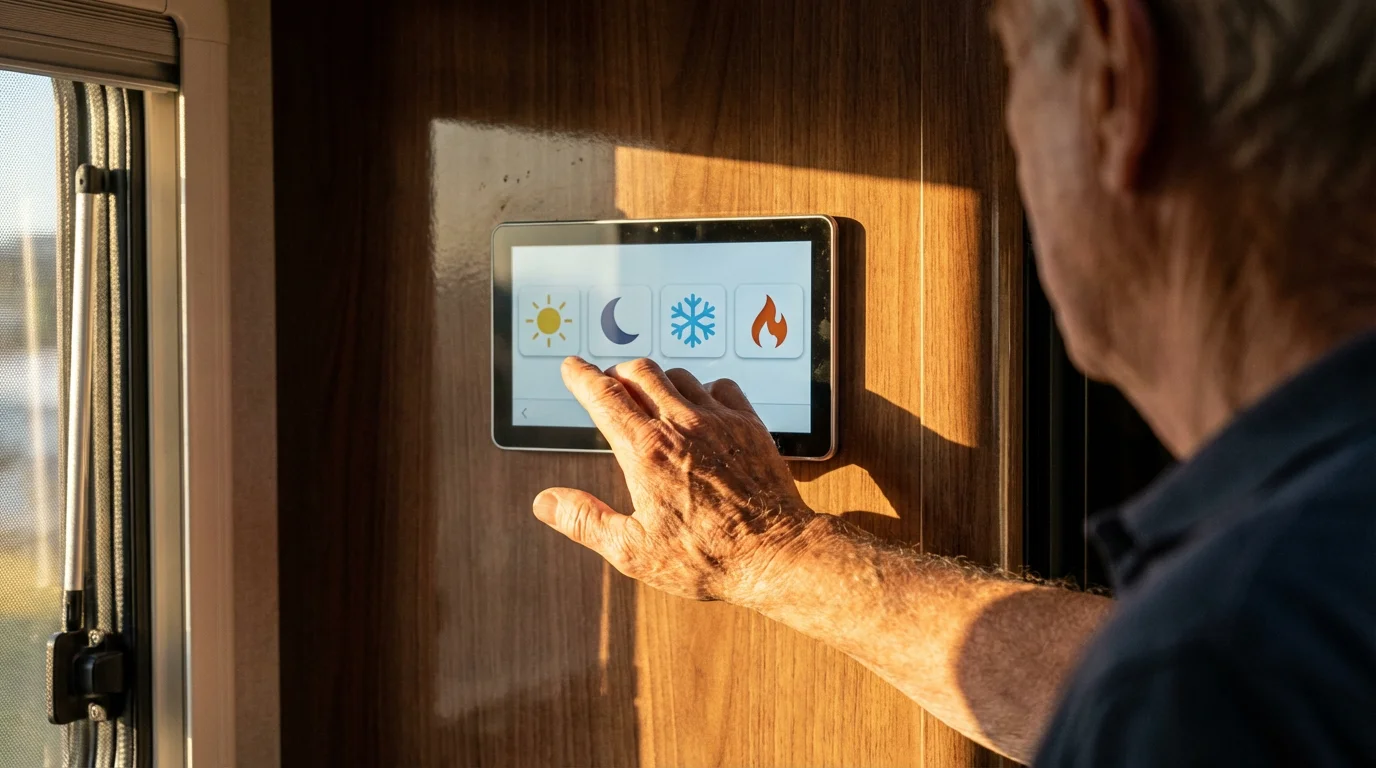
Smart home features allow you to control lighting, climate, and even certain appliances with voice commands or a smartphone app. This eliminates the need to reach for switches or adjust manual controls. Remote-controlled blinds or shades are another excellent addition, managing privacy and sunlight effortlessly.
Consider installing a robust cellular booster or satellite internet system to ensure reliable connectivity. This is vital for safety, navigation, and staying in touch with loved ones. A high-quality security camera system can also offer peace of mind when parked, allowing you to monitor your surroundings from inside your RV or remotely.
Smart Additions for Your RV:
- Smart Lighting Systems: Control lights via voice, app, or remote, eliminating the need to reach for switches.
- Remote-Controlled Blinds/Shades: Easily adjust window coverings for privacy and light management.
- Voice-Activated Assistants: Use smart speakers for hands-free control of music, information, and connected devices.
- Enhanced Wi-Fi and Cellular Boosters: Ensure reliable internet access for navigation, communication, and entertainment.
- Security Camera Systems: Monitor your RV’s exterior for added safety and peace of mind.
- Motion-Sensor Nightlights: Automatically illuminate pathways during nighttime trips to the bathroom or kitchen.
- Fall Detection Devices: Wearable personal alert systems can provide rapid assistance in an emergency.
Budgeting for Your RV Accessibility Project
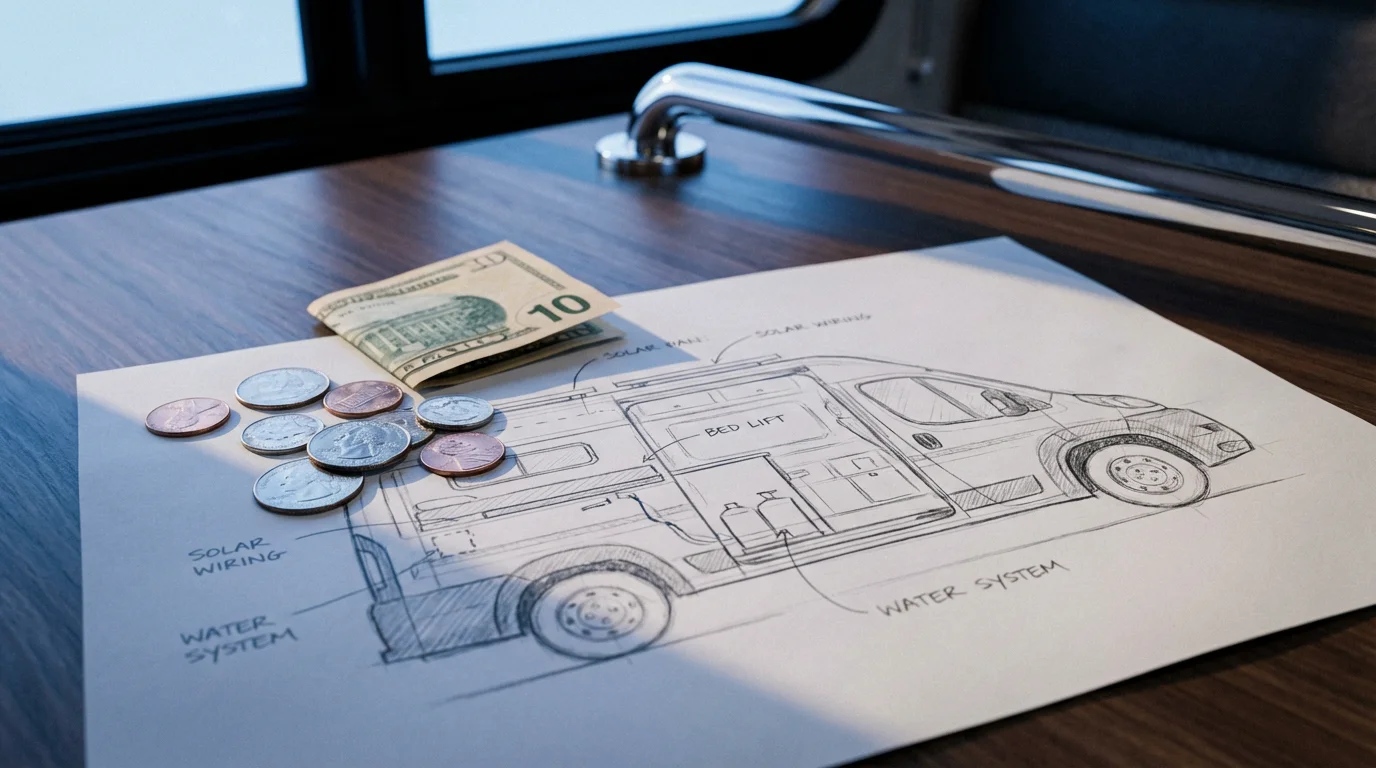
Undertaking RV accessibility modifications represents a significant investment in your continued travel comfort and independence. Approaching this project with a clear budget and realistic expectations is crucial. You want to ensure your modifications are both effective and financially manageable.
The cost of modifications varies widely depending on the complexity and extent of the changes. Simple additions like grab bars or non-slip mats are relatively inexpensive, while structural changes, ramps, or lifts require a more substantial financial commitment. You must decide whether to pursue DIY solutions or professional installation.
DIY options can save money on labor costs, but they require significant skill and tools. Professional installers ensure compliance with safety standards and often provide warranties for their work. Obtaining multiple quotes for larger projects helps you understand the market and make informed decisions. Consider prioritizing modifications based on your most pressing needs and safety concerns.
| Modification Type | Estimated Cost Range (DIY) | Estimated Cost Range (Professional) | Primary Benefit |
|---|---|---|---|
| Grab Bars (per bar) | $20 – $50 | $75 – $150 | Fall prevention, stability |
| Non-Slip Surfaces (bathroom) | $30 – $100 | $100 – $300 | Reduces slips and falls |
| Fold-Down Shower Seat | $80 – $200 | $200 – $400 | Seated showering comfort |
| Lever Faucets (per fixture) | $50 – $150 | $150 – $300 | Easier operation for grip issues |
| Automatic RV Steps | N/A (complex) | $800 – $2,500 | Effortless, safe entry/exit |
| Entry Ramps (permanent) | $300 – $1,000 | $1,500 – $5,000+ | Wheelchair/walker access |
| RV Lift (electric/hydraulic) | N/A (highly complex) | $5,000 – $20,000+ | Full wheelchair accessibility |
| Doorway Widening | N/A (complex) | $1,000 – $4,000+ | Improved maneuverability |
| Adjustable Bed | N/A (RV specific) | $1,000 – $5,000+ | Sleeping comfort, ease of getting in/out |
Frequently Asked Questions
Are RV accessibility modifications covered by insurance?
RV insurance generally covers damage to your RV, but it typically does not cover the cost of accessibility modifications themselves. However, if a modification is damaged in an insured event, your policy might cover its repair or replacement. Always consult your insurance provider for specifics on your coverage.
Can I make RV modifications myself or should I hire a professional?
Simple modifications like installing grab bars or non-slip mats are often suitable for DIY. However, complex structural changes, electrical work, or installing heavy equipment like lifts require professional expertise. Hiring experienced RV technicians or accessibility specialists ensures safety, proper installation, and compliance with standards.
How long do RV accessibility modifications take?
The timeline for RV modifications varies significantly. Minor upgrades might take a few hours or a weekend. More extensive projects, involving structural changes, custom fabrication, or lift installations, can take several weeks or even months, depending on the scope of work and the availability of parts and professionals.
Will accessibility modifications affect my RV’s resale value?
Accessibility modifications can both positively and negatively affect resale value. While they might appeal to other seniors or individuals with similar needs, they could limit the market for general buyers. High-quality, professionally installed modifications that enhance safety and comfort generally retain more value than poorly executed ones.
Where can I find reputable RV modification specialists?
You can find reputable RV modification specialists through various channels. Online searches for “accessible RV modifications” or “RV mobility conversion” in your area often yield results. RV dealerships, specialized mobility equipment dealers, and online RV forums also offer recommendations. Always check reviews and ask for references.
Do I need to inform my RV manufacturer about modifications?
It is wise to consult your RV manufacturer, especially for structural or electrical modifications, as certain changes could void your warranty. The manufacturer might also offer guidance or recommend approved service centers for specific types of work. This step ensures you avoid unforeseen issues down the road.
“The world is a book and those who do not travel read only one page.” — Saint Augustine
Your RV provides a unique platform for exploration, and adapting it for accessibility ensures your adventures continue to flourish. You maintain your independence, travel with greater peace of mind, and create lasting memories. By investing in these thoughtful modifications, you affirm your commitment to an active, adventurous lifestyle. Your journey does not have to end; it only gets more comfortable and accessible.
Disclaimer: This article is for informational purposes only. Travel conditions, accessibility, and requirements change frequently. We encourage readers to verify current information with official sources before traveling. Always consult with healthcare providers about travel considerations for your specific health situation.


Leave a Reply