
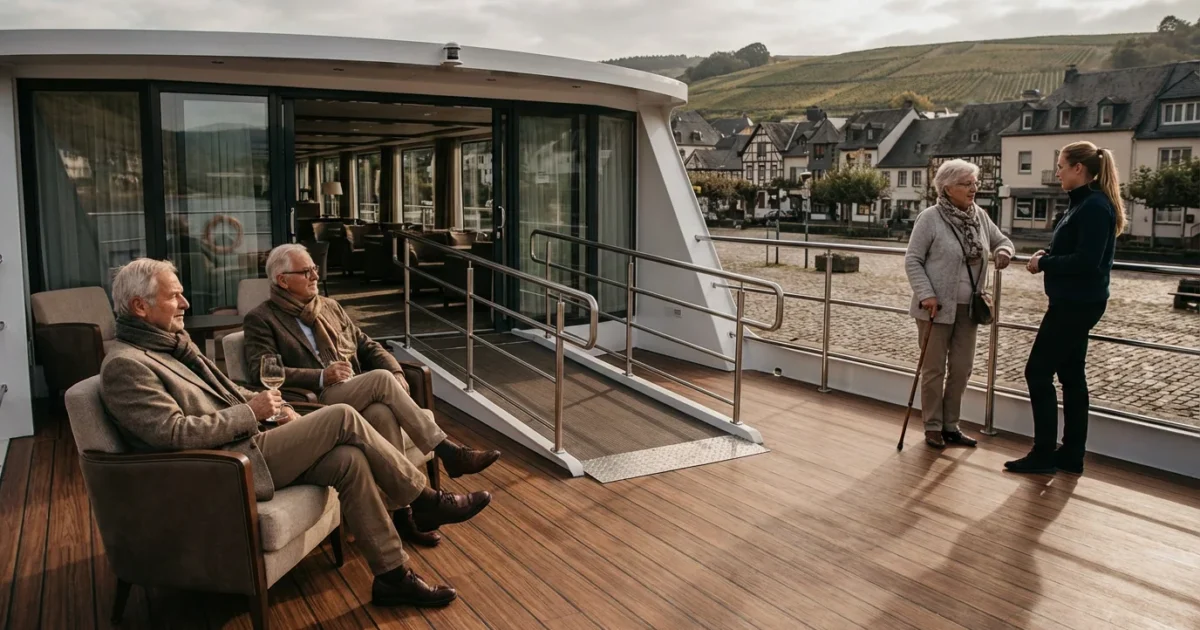
Embarking on a European river cruise offers an unparalleled blend of luxury, convenience, and immersive cultural exploration. For senior travelers prioritizing comfort and accessibility, this travel style opens up the heart of Europe in a uniquely stress-free way. Imagine gliding past historic castles, vibrant vineyards, and charming villages, all from the comfort of a beautifully appointed ship.
Understanding the reality of organized trips can help, so consider debunking myths about senior group travel before your first booking.
For those who enjoy luxury transit but prefer land-based scenery, exploring the Canadian Rockies by train is another magnificent option for stress-free discovery.
This guide provides foundational knowledge, helping you navigate the options and plan an unforgettable accessible river cruise adventure. You deserve to explore the world with ease and elegance. European river cruises deliver exactly that experience.
Disclaimer: This article is for informational purposes only. Travel conditions, accessibility, and requirements change frequently. We encourage readers to verify current information with official sources before traveling. Always consult with healthcare providers about travel considerations for your specific health situation.
Table of Contents
- Why European River Cruises Appeal to Senior Travelers
- Understanding Accessibility on River Cruises
- Key Considerations for Choosing Your Accessible River Cruise
- Top Accessible European River Cruise Lines and Destinations
- Planning Your Accessible River Cruise Adventure
- Packing Smart for Your European River Cruise
- Safety, Health, and Well-being Onboard and Ashore
- Making the Most of Your Shore Excursions
- Frequently Asked Questions

Why European River Cruises Appeal to Senior Travelers
European river cruises offer a distinct travel experience perfectly suited for active seniors. They combine the convenience of a hotel with the ever-changing scenery of a journey, allowing you to discover multiple destinations without the constant packing and unpacking. This luxurious option provides comfort and adventure in equal measure.
If you are looking to balance luxury with your budget, you might also be interested in these budget-friendly destinations for seniors.
You unpack only once, settling into your private cabin as the ship becomes your floating boutique hotel. Each morning brings a new vista, a new town to explore, and a new story to uncover. The pace is relaxed, fostering an environment for deep cultural engagement and personal rejuvenation.
Benefits of a river cruise for senior travelers include:
- Effortless Travel: No need to navigate complex transportation networks or frequently change hotels. Your lodging travels with you.
- Scenic Beauty: Enjoy unparalleled views of Europe’s most picturesque landscapes directly from your cabin or the ship’s observation lounge.
- Cultural Immersion: Docks often place you in the heart of historic towns, allowing for immediate access to local attractions, markets, and experiences.
- All-Inclusive Value: Many river cruises include meals, drinks, Wi-Fi, and guided excursions, simplifying your budget and planning.
- Social Connection: Enjoy the company of fellow travelers in a friendly, intimate atmosphere, fostering new friendships.
- Safety and Comfort: River cruise ships provide a secure and comfortable environment, with staff attentive to your needs.
These elements create a worry-free environment, enabling you to focus on the joy of exploration and discovery. You experience the heart of Europe with every comfort considered.

Understanding Accessibility on River Cruises
Accessible travel means creating an environment where everyone can experience a journey with dignity and ease. For European river cruises, accessibility primarily focuses on mobility, ensuring individuals with varying physical needs can navigate the ship and participate in activities. Understanding the specific features available helps you choose the right cruise.
While cruises offer built-in ease, those who prefer the road can also adapt an RV for accessibility to ensure comfort during land journeys.
This form of cruising is just one of many travel options for seniors with limited mobility designed to foster independence.
River cruise lines have increasingly invested in making their vessels more accommodating. This includes specific cabin designs, common area access, and assistance with embarkation and disembarkation. Proper research into each ship’s layout becomes crucial for a truly seamless experience.
Key accessibility features you should look for include:
- Accessible Cabins: These cabins feature wider doorways, roll-in showers with grab bars, raised toilet seats, and ample maneuvering space for wheelchairs or scooters.
- Elevators: Modern river cruise ships often feature elevators connecting decks, though their size and availability can vary. Verify that elevators service all public areas you wish to access.
- Wider Doorways and Corridors: Look for ships designed with wider passages in public areas and cabin entrances to accommodate mobility devices.
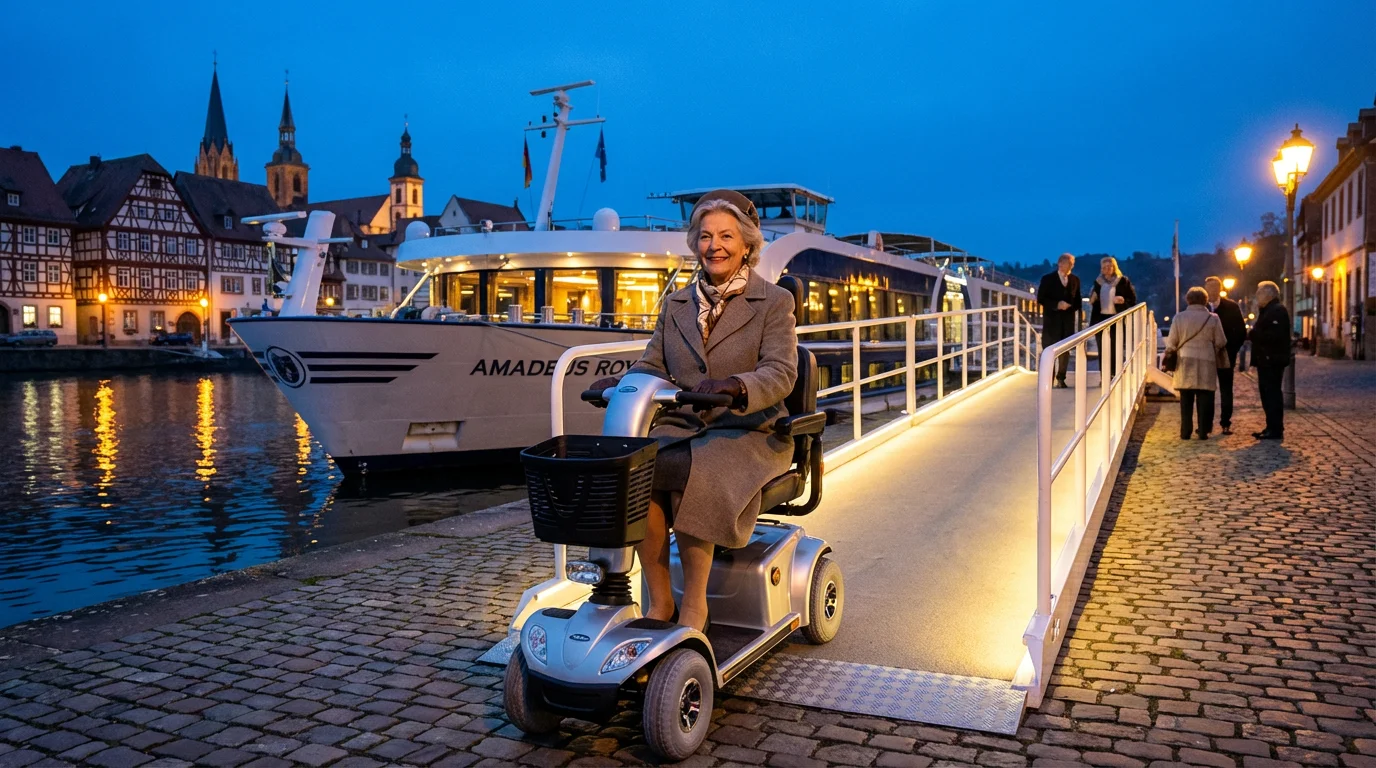
- Accessible Gangways: The ramp connecting the ship to the shore. While some are fixed, others are designed to minimize steepness, and crew members are always ready to assist.
- Specialized Equipment: Some ships offer wheelchairs, shower chairs, or other assistive devices for temporary use. Confirm availability and reserve these in advance.
- Staff Training: Well-trained crew members can provide invaluable assistance and support throughout your journey, from dining to shore excursions.
It is important to differentiate between “wheelchair-friendly” and “fully accessible.” A wheelchair-friendly ship might accommodate some mobility needs, but a fully accessible ship integrates comprehensive features for a wider range of disabilities. Always ask detailed questions about your specific requirements.
Key Considerations for Choosing Your Accessible River Cruise
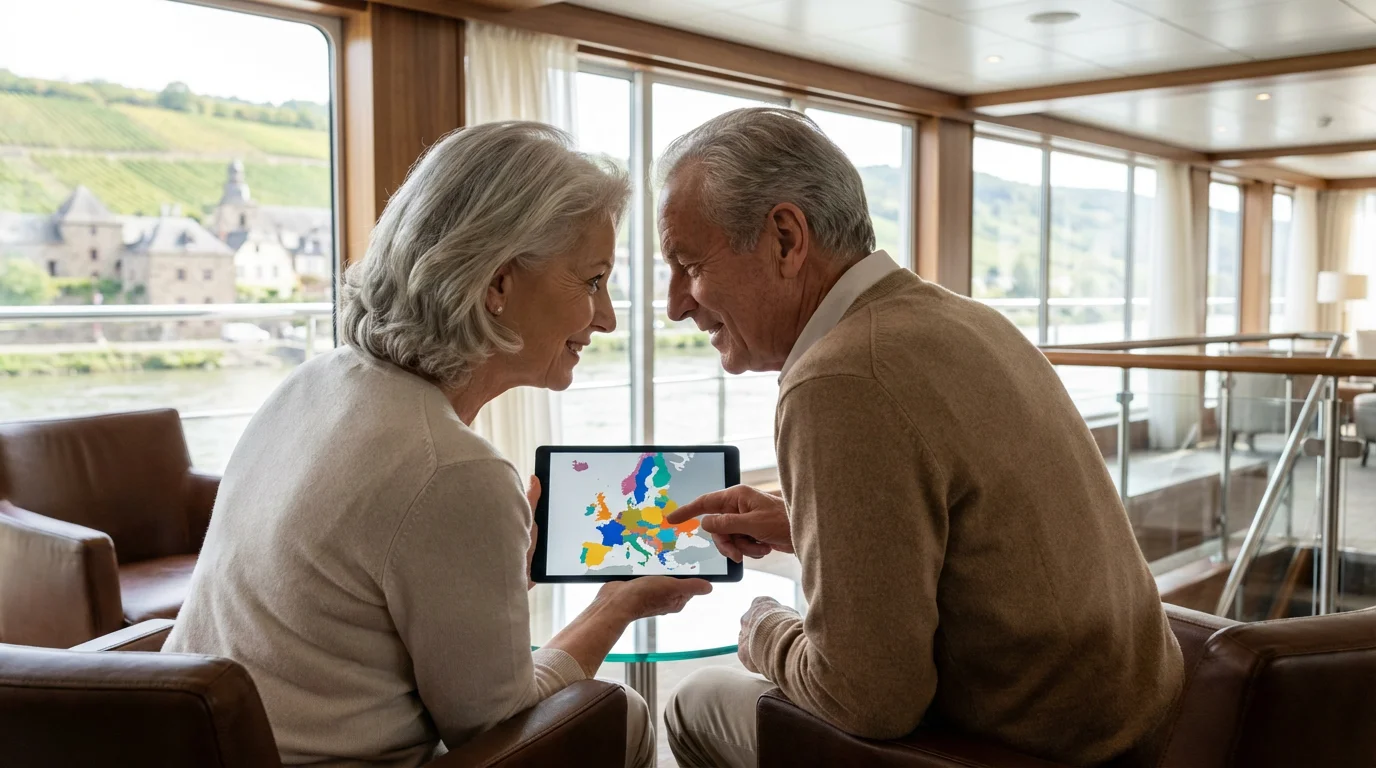
Selecting the perfect accessible river cruise requires careful consideration and thorough research. Your specific mobility needs and travel preferences guide this decision-making process. Begin by understanding what each cruise line and ship truly offers in terms of accessibility.
Direct communication with the cruise line’s accessibility department is your most effective tool. They possess the most current and specific information about their vessels and itineraries. Do not hesitate to ask detailed questions about every aspect of your potential journey.
Here are essential questions to ask and factors to consider:
- Contact the Accessibility Department: Call or email the cruise line directly. Describe your specific needs, whether you use a wheelchair, scooter, walker, or require other assistance. Ask about dedicated accessible cabins, their dimensions, and bathroom features.
- Ship Layout and Design: Request deck plans. Confirm elevator access to all decks you plan to use, including dining areas, lounges, and observation decks. Inquire about the width of hallways and doorways.
- Gangway and Docking Procedures: Understand how the ship docks and how passengers embark and disembark. River levels can fluctuate, affecting gangway steepness. Ask about crew assistance for boarding.
- Shore Excursion Accessibility: This is a critical point. Many European ports feature cobblestone streets, uneven terrain, and historical sites with limited accessibility. Ask for details on accessible tour options, transportation at ports, and the ability to explore independently.
- Medical Equipment and Services: If you require medical equipment like oxygen concentrators or CPAP machines, confirm the ship’s power supply and policies for bringing such devices. Ask about any onboard medical personnel or emergency procedures.
- Dietary Restrictions: If you have specific dietary needs, inquire about their ability to accommodate them. Most luxury river cruises excel in this area, but advance notice is always beneficial.
- Travel Insurance: Always secure comprehensive travel insurance that covers medical emergencies, trip cancellations, and any pre-existing conditions. This provides peace of mind for unexpected situations.
Careful planning ensures a smooth and enjoyable journey. You mitigate potential challenges by addressing these points proactively.
| Feature | Example Line A (Focus on high-end luxury) | Example Line B (Focus on broader appeal) | Example Line C (Emerging accessible options) |
|---|---|---|---|
| Dedicated Accessible Cabins | Typically 2-4 per ship, roll-in showers, grab bars, wider doors | Limited 1-2 per ship, may require specific cabin category requests | Newer ships may have 1-2, check older vessel availability |
| Elevator Access | All passenger decks, generally spacious | Often connects main decks, may not reach sundeck directly | Varies by ship, older ships may have limited elevator access |
| Gangway Assistance | Standard, crew always assists with boarding/disembarking | Standard, crew assistance provided upon request | Assistance available, may be less formalized on some vessels |
| Shore Excursion Accommodations | May offer select accessible private tours, often requires pre-arrangement | Limited accessible excursions, may suggest independent exploration | Emerging options, best to confirm specific tour details in advance |
| Onboard Wheelchairs | Available for emergency use | Limited availability, request in advance | Rarely available, advise bringing your own |
| Scooter Permitted | Often allowed in cabins, check size restrictions, battery charging | Small collapsible scooters may be allowed, limited space | Typically not permitted due to space constraints on older ships |
*This table provides a generalized comparison for illustrative purposes only. Specific features vary by ship, itinerary, and cruise line policy. Always verify directly with your chosen cruise operator.
Top Accessible European River Cruise Lines and Destinations
Several river cruise lines stand out for their commitment to accessible travel, offering features and services designed to enhance the experience for seniors with mobility needs. While “fully accessible” varies, some lines consistently receive praise for their efforts. Researching specific lines helps you align your needs with their offerings.
Beyond Europe, you might explore more exotic group tours that offer unique accessible adventures worldwide.
Beyond river-specific travel, there are several senior group tour packages in Europe that offer structured itineraries through the continent’s most historic sites.
The most popular European rivers also present varying degrees of accessibility for shore excursions. Choosing a destination that balances scenic beauty with practical accessibility ensures a more enjoyable trip.
Consider these highly regarded cruise lines for accessible options:
- AmaWaterways: Known for spacious ships, many with elevators and some dedicated accessible cabins. They often provide details on accessible shore options.
- Viking River Cruises: Their modern longships are consistent in design, with elevators on most, and some offer accessible cabins. They emphasize comfort and ease of movement.
- Scenic Luxury Cruises & Tours: Offers a high level of all-inclusive luxury, and their “Space-Ships” often feature elevators and well-designed public areas. Inquire about their accessible suite options.
- Uniworld Boutique River Cruises: Known for opulent interiors, many ships have elevators. Accessibility features vary by ship, so specific inquiry is essential for their unique vessels.
Each line operates distinct fleets. Always confirm the accessibility features of the *specific ship* you are considering. Ship age and design heavily influence available accommodations.
Popular European rivers and their accessibility considerations:
- The Rhine River: Cruising through Germany, France, and the Netherlands, the Rhine offers stunning castles and charming towns. Many ports, like Cologne and Amsterdam, feature relatively flat areas, making them easier to navigate.
- The Danube River: This iconic river winds through multiple countries including Germany, Austria, Hungary, and Slovakia. While cities like Vienna and Budapest have accessible attractions, some historical areas may present challenges with cobblestones or steep inclines.
- The Moselle River: A tributary of the Rhine, the Moselle offers picturesque landscapes and vineyards in Germany and Luxembourg. Smaller, quaint towns along this river might have less developed infrastructure for accessibility.
- The Seine River: Flowing through France, including Paris, a Seine cruise combines history with romance. Paris offers numerous accessible attractions, but some older villages along the river may have restricted access.
- The Douro River: Portugal’s Douro Valley is breathtaking. However, the terrain is often hilly, and some port towns are built on inclines. This requires careful planning for shore excursions.
Your journey along these magnificent waterways promises indelible memories. Choosing the right line and river enhances your comfort and exploration.
Planning Your Accessible River Cruise Adventure
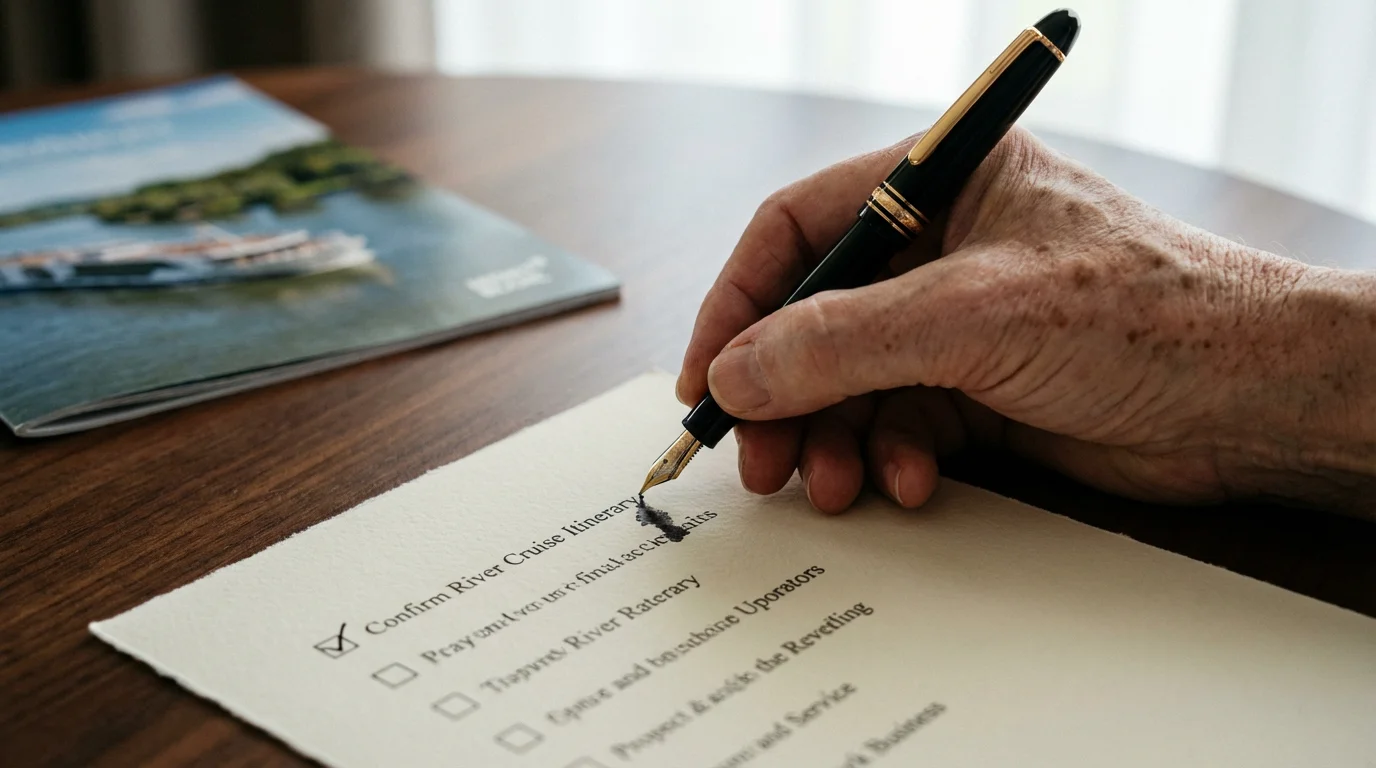
Thoughtful planning transforms a good trip into an exceptional one. When arranging an accessible European river cruise, a structured approach ensures you address all necessary details. Begin the process well in advance to secure your preferred options and make specific arrangements.
Booking early often provides access to a wider selection of accessible cabins and allows the cruise line more time to prepare for your specific needs. This proactive stance leads to a smoother, more enjoyable journey for you.
Follow these steps for a well-organized accessible river cruise:
- Research Thoroughly and Book Early: Start your research at least 9-12 months out. Compare cruise lines, ships, and itineraries based on their stated accessibility features. Contact cruise line accessibility departments directly before booking. Secure your preferred accessible cabin category early.
- Communicate Your Needs Clearly: After booking, reiterate your specific accessibility requirements in writing to the cruise line. Confirm they have noted your needs for cabin setup, dining, and any required assistance.
- Arrange Accessible Air Travel: Book flights that accommodate your mobility aids. Contact the airline in advance to confirm their policies for wheelchairs, scooters, and medical equipment. Review TSA guidelines for travelers with disabilities to ensure a smooth airport experience. The TSA website provides valuable information on security screening procedures for travelers with disabilities and medical conditions.
- Plan Pre- and Post-Cruise Logistics: If you are arriving early or staying longer, book accessible hotels and arrange accessible transfers from airports to the port. Confirm these arrangements directly with the providers.
- Obtain Travel Insurance: Purchase comprehensive travel insurance that includes coverage for medical emergencies, trip interruption, and any pre-existing conditions. Compare policies carefully to find one that meets your specific needs.
- Prepare for Passports and Visas: Ensure your passport is valid for at least six months beyond your return date. Check if your destination countries require any visas, though for most short tourist visits to Europe by U.S. citizens, only a passport is needed. The U.S. Department of State website offers country-specific travel information and entry requirements.
- Consult Your Healthcare Provider: Discuss your travel plans with your doctor. They can advise on necessary vaccinations, managing medications abroad, and any health precautions specific to your condition. The CDC Travelers’ Health website offers country-specific health recommendations and advice.
This systematic approach empowers you to embark on your adventure with confidence and tranquility. You minimize surprises and maximize enjoyment.

Packing Smart for Your European River Cruise
Packing for a European river cruise involves a strategic approach, blending comfort with practicality. You want to be prepared for various weather conditions, onboard activities, and shore excursions. Smart packing reduces stress and enhances your overall travel experience.
Consider items that offer versatility, layers, and easy maintenance. Your luggage should be manageable, especially if you rely on mobility aids or have limited space in your cabin. Focus on essentials and comfort.
Essential packing items for your accessible river cruise:
- Comfortable Walking Shoes: Bring at least two pairs of supportive, comfortable shoes suitable for walking on varying terrain, including cobblestones.
- Layered Clothing: European weather can be unpredictable. Pack versatile layers, including sweaters, cardigans, and light jackets, for easy adjustment to temperature changes.
- Rain Gear: A lightweight, waterproof jacket or a compact umbrella is indispensable for unexpected showers.
- Medications and Prescriptions: Carry all essential medications in your carry-on bag, along with copies of prescriptions and a letter from your doctor. Pack more than enough for your trip.
- Mobility Aids: If you use a collapsible cane, walker, or a small, portable scooter, ensure it is packed securely and accessible for your journey. Verify the cruise line’s policy on scooter use onboard.
- Power Adapters: Europe uses different electrical outlets. Bring the appropriate Type C, E, or F adapters for your electronic devices. A portable power bank is also useful.
- Camera and Binoculars: Capture the breathtaking scenery and historical sites. Binoculars enhance your viewing experience from the ship’s deck.
- Small Daypack: A comfortable daypack is ideal for carrying water, a light jacket, medications, and souvenirs during shore excursions.
- Swimsuit: Some ships offer small pools or whirlpools. If you plan to use them, pack appropriate swimwear.
- Formal or Semi-Formal Attire: While dress codes are generally relaxed, some evenings or special dinners may call for slightly dressier attire. Check your cruise line’s specific recommendations.
Packing efficiently allows you to travel light, move easily, and focus on the adventure ahead. You are prepared for every aspect of your European exploration.

Safety, Health, and Well-being Onboard and Ashore
Prioritizing your safety, health, and well-being ensures a more relaxed and enjoyable European river cruise. Being prepared for potential health needs and staying aware of your surroundings empowers you to travel confidently. Your comfort and security remain paramount throughout your journey.
River cruise ships maintain high safety standards, but understanding procedures and taking personal precautions enhances your experience. Maintaining good health habits while traveling is also essential.
Consider these aspects for your safety and well-being:
- Onboard Medical Services: While most river cruise ships do not have a doctor permanently onboard, they have well-trained staff capable of handling minor medical issues and coordinating with local medical services if needed. Familiarize yourself with the emergency procedures outlined at the start of your cruise.
- Stay Hydrated and Active: Drink plenty of water, especially during shore excursions in warm weather. Engage in light exercises or walks around the ship to maintain circulation and prevent stiffness.
- Consult Your Physician: Before your trip, have a thorough check-up with your doctor. Discuss your itinerary, any necessary vaccinations, and how to manage your medications across different time zones. The Centers for Disease Control and Prevention (CDC) provides comprehensive health information for international travelers.
- Footwear Choices: Always wear comfortable, non-slip shoes, both onboard and during shore excursions. This reduces the risk of falls on potentially wet decks or uneven cobblestone streets.
- Awareness in Port: While generally safe, practice common-sense precautions in port towns. Keep valuables secure, be aware of your surroundings, and use reputable transportation.
- Utilize Hand Sanitizer: Maintain good hand hygiene to prevent the spread of germs, especially before meals.
The world is a book and those who do not travel read only one page. — Saint Augustine
You embrace your journey fully when you proactively manage your health and safety. These preparations allow you to focus on the discovery and joy of European travel.

Making the Most of Your Shore Excursions
Shore excursions are a highlight of any European river cruise, offering direct engagement with history, culture, and local life. For senior travelers, especially those with mobility considerations, strategic planning ensures these experiences are enriching and manageable. You can tailor your exploration to your preferences and capabilities.
Many cruise lines provide various excursion options, from guided walking tours to coach-based sightseeing. Understanding these choices and communicating your needs beforehand allows for a more personalized and enjoyable experience ashore. Do not hesitate to ask for adaptations.
Tips for maximizing your shore excursions:
- Pre-Book Accessible Tours: Inquire with your cruise line or a specialist travel agent about pre-arranged accessible shore excursions. These often use accessible transportation and navigate routes specifically chosen for ease of movement.
- Communicate Your Needs: Inform your tour guide or cruise director about your mobility needs before each excursion. They can offer guidance on terrain, pacing, and alternative viewing points.
- Pace Yourself: Europe’s charming towns are often best explored on foot, but this can be tiring. Do not feel compelled to keep up with faster groups. Take breaks, find a bench, and soak in the atmosphere. You determine your own pace.
- Independent Exploration: If organized tours are too strenuous or do not meet your accessibility needs, consider independent exploration. Research accessible attractions in each port before you arrive. Use local taxis or ride-shares for transportation within a town if walking is difficult.
- Utilize Local Transportation: Many European cities have accessible public transportation, including low-floor buses and trams. Research these options in advance for greater flexibility.
- Prioritize What Matters: You do not need to see every single attraction. Choose one or two key sights that genuinely interest you and focus your energy there. This prevents fatigue and enhances appreciation.
- Stay Connected: Carry a fully charged phone with local SIM or international roaming for navigation and communication during independent exploration.
Adventure is worthwhile in itself. — Amelia Earhart
Each port presents a unique opportunity for discovery. With thoughtful planning, you ensure every shore excursion becomes a cherished part of your accessible European river cruise.
Frequently Asked Questions
Navigating the details of an accessible European river cruise often brings specific questions to mind. This section addresses common inquiries, providing clear and practical answers to help you plan your journey with confidence. You gain clarity on key aspects of your adventure.
These frequently asked questions cover a range of topics, from mobility on the ship to solo travel considerations. We aim to equip you with the knowledge needed for a worry-free experience.
Can I bring my mobility scooter or power wheelchair on a river cruise?
Policies vary significantly by cruise line and individual ship. Some modern ships can accommodate smaller, collapsible mobility scooters, while others may not due to space limitations in cabins, hallways, and elevators. Always contact the cruise line’s accessibility department directly to confirm their specific policies, dimensions, and battery charging requirements for your device before booking.
Are river cruises suitable for solo senior travelers with accessibility needs?
Yes, many solo senior travelers enjoy river cruises. The intimate ship size and inclusive nature foster a welcoming environment. While dedicated accessible cabins often come with a single supplement, some cruise lines occasionally offer solo traveler deals. The crew often provides excellent support, making it a comfortable option for solo adventurers.
What if I need medical assistance while on the cruise or during a shore excursion?
River cruise ships typically have staff trained in first aid and can assist with minor medical needs. They also have protocols for contacting local emergency medical services in port for more serious situations. Always carry your travel insurance details and relevant medical information. Inform the cruise line in advance about any pre-existing conditions so they can be prepared.
How does fluctuating river water levels affect accessibility?
River levels can impact docking and gangway steepness. In times of very high or low water, ships may need to adjust itineraries, sometimes requiring passengers to transfer to another ship via motor coach, or change docking locations. Cruise lines always prioritize passenger safety and comfort during such events, and the crew assists passengers with transfers.
Are all shore excursions accessible?
No, not all shore excursions are fully accessible. Many European towns feature uneven cobblestones, steep inclines, and historical sites with stairs or narrow passages. Cruise lines often provide information on the activity level of each excursion, categorizing them as easy, moderate, or active. Inquire about specific accessible tour options, or plan independent exploration in accessible areas.
How much do accessible European river cruises cost?
The cost varies widely based on the cruise line, itinerary length, time of year, and cabin category. Accessible cabins might be in higher demand and can sometimes be priced similarly to other premium cabins. Expect to pay anywhere from $2,500 to $8,000+ per person for a 7-day cruise, depending on the level of luxury and inclusions. Consider booking during the shoulder seasons for potentially better value.









Leave a Reply